Saebyeol Oreum Silver Grass Hike: Jeju’s Ridges and Trail Choices
An autumn volcanic hill in Aewol, with five peaks and two approaches of different steepness
Saebyeol Oreum is more than a field for an autumn photograph. It is a volcanic hill whose slopes and ridges change the way the surrounding grassland is seen.
For a Saebyeol Oreum silver grass hike in Jeju, the key choice is between enjoying the lower landscape and committing to an uphill trail. The broad field and rounded outline can make the climb look easier from a distance than a steeper approach feels underfoot.
The official tourism description identifies October as a silver grass season. That does not confirm current flowering or a peak date for 2026. The strongest reason to choose this hill is its combination of grass, sky and volcanic form.
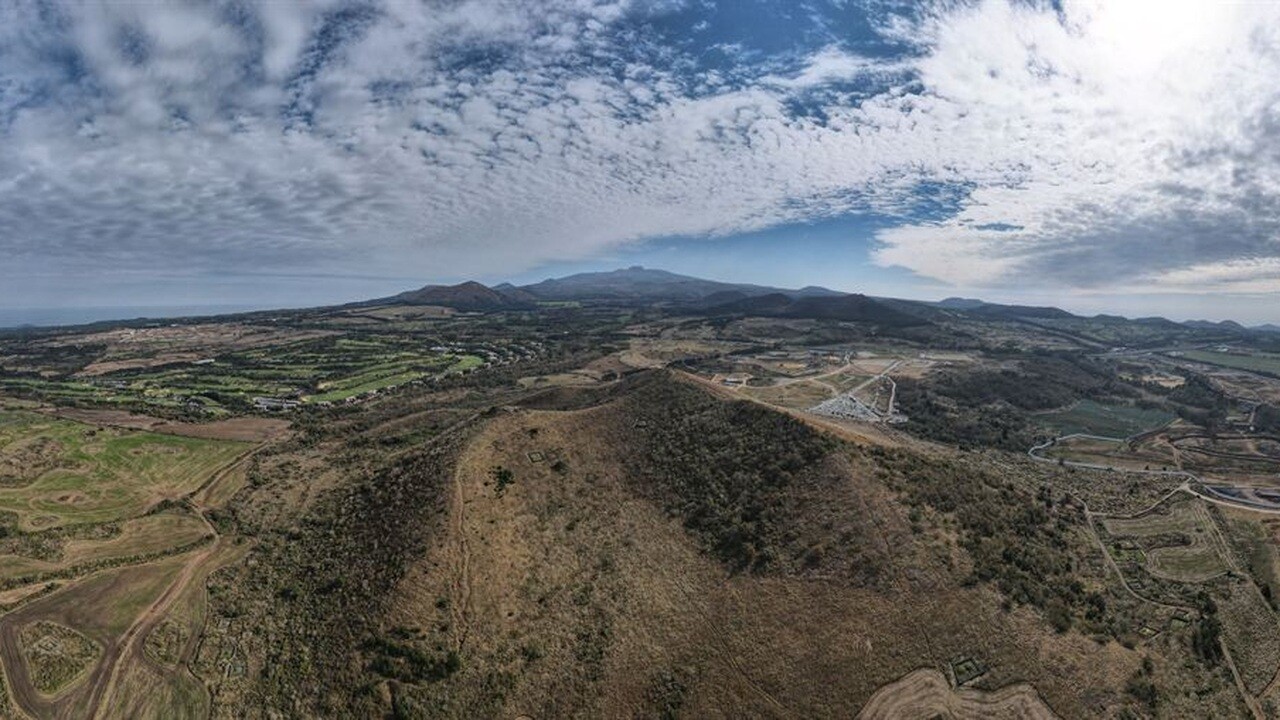
The broad view shows a hill set apart from neighboring fields. Its shape has several changes in direction, and the official description identifies five peaks.
The name is associated with an evening star standing alone in the sky. That story fits the way the hill appears against the surrounding land. The visible terrain also explains its appeal: a visit can include both a close look at grass and a larger view of the ridges.
A Saebyeol Oreum silver grass hike at a closer scale
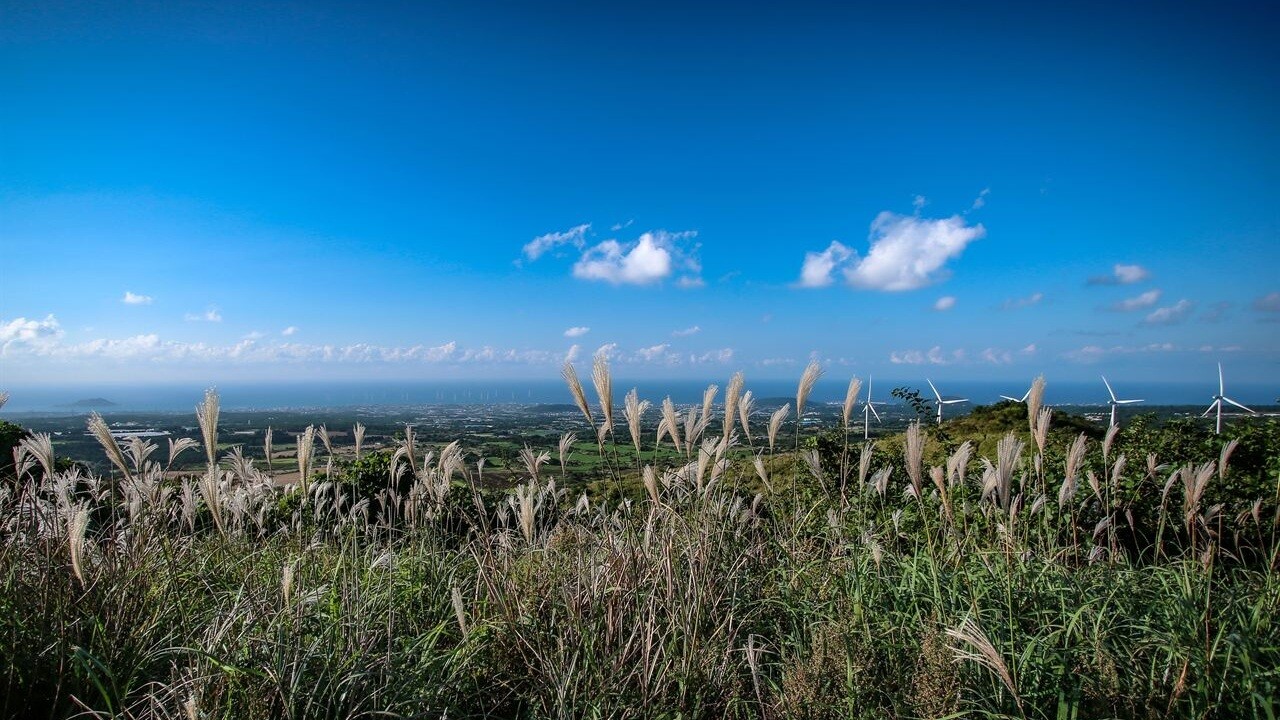
The close view replaces the outline of the hill with slender stems and feathery flower heads. An open sky makes those shapes easy to distinguish.
This is a different reason to pause from the desire to reach a summit. A broad grassland view emphasizes color and extent; a closer view emphasizes the plants’ forms. Neither requires treating the color in a photograph as a promise for a specific travel day.
Choose an approach with the slope in mind
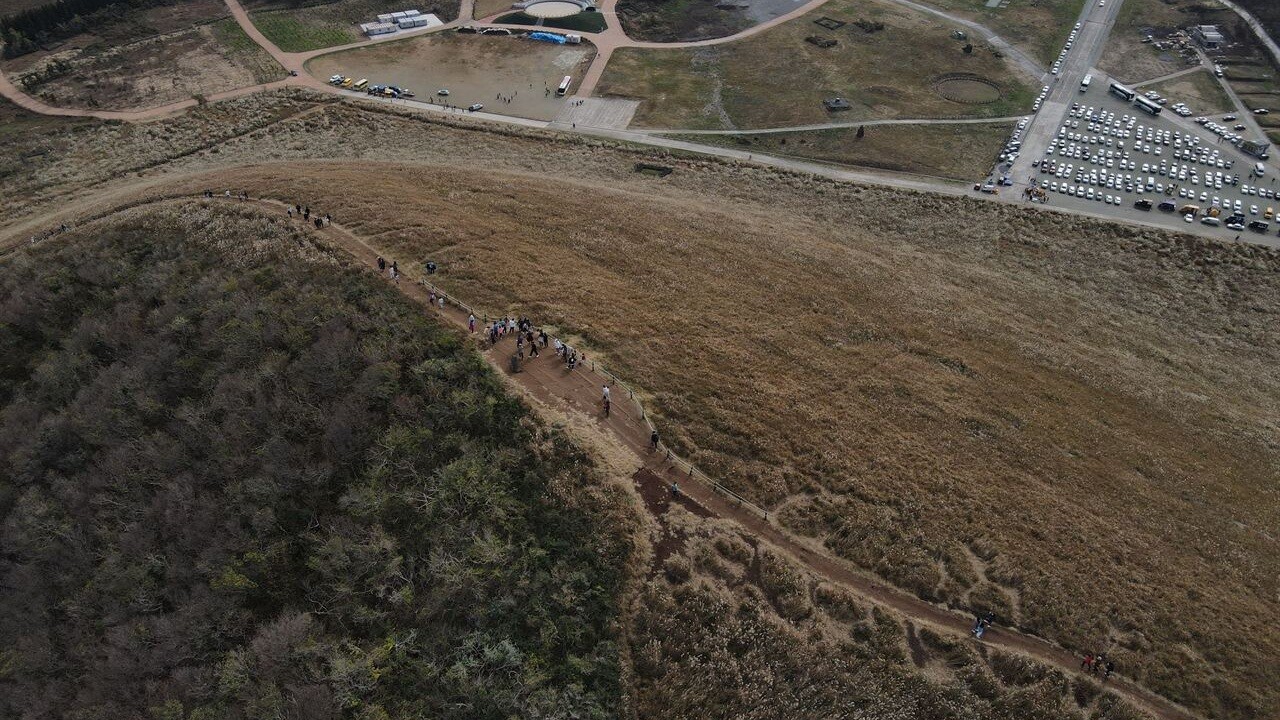
The Jeju Tourism Organization’s official Saebyeol Oreum page describes entrances on the east and west and identifies the western approach as steeper. A trail across the slope makes the basic distinction clear: this outing can involve an ascent as well as a look at grass.
Its 20–30 minute guidance is for reaching the summit, not a guarantee for a full visit or an entire round trip. Time spent pausing, descending or exploring changes the overall outing. Decide how much uphill walking belongs in the day before treating the hill as a quick stop.
Low light changes the texture of the field
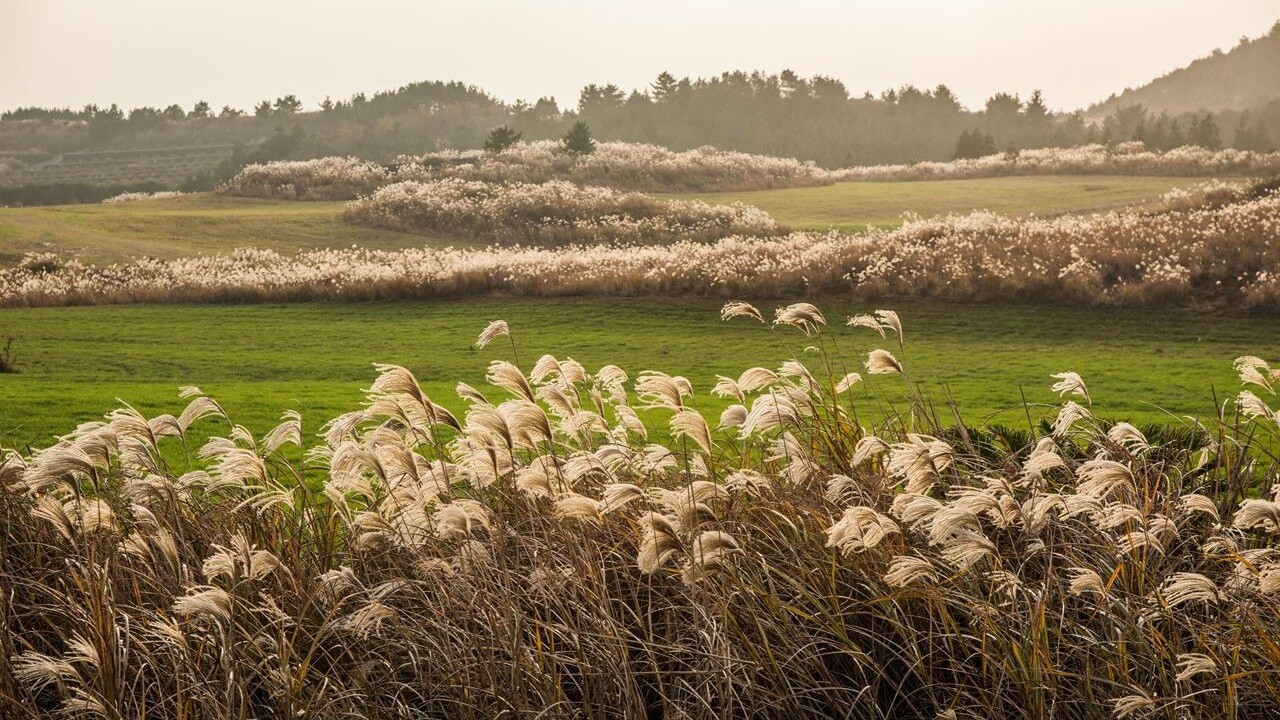
In the lower-light image, bright flower heads become small lines against broader bands of field and vegetation. It offers a different reading of the landscape from the blue-sky close-up.
A summit image is not the only meaningful outcome of the trip. Staying lower emphasizes grass at eye level; climbing emphasizes the relationship between ridges and surrounding land. These are different viewing choices. The more strenuous one does not have to define every visit.
Understand what the elevation number means
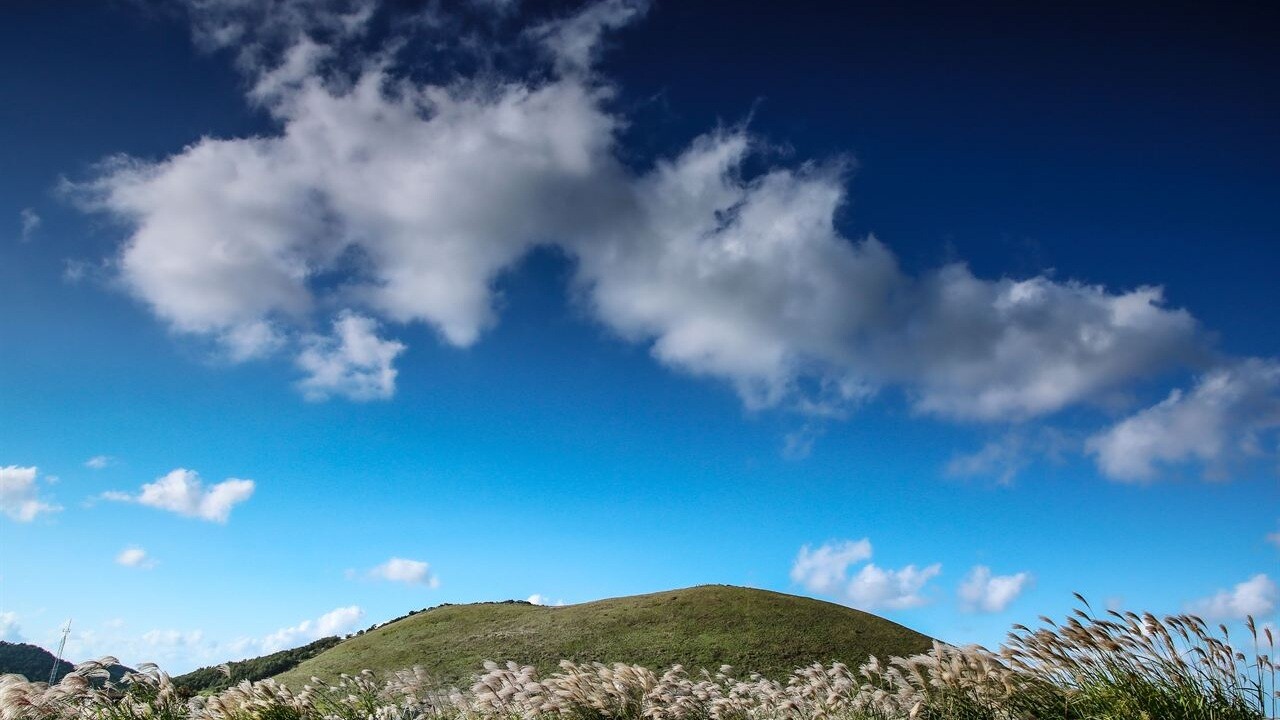
The official elevation is 519.3 meters above sea level, about 1,704 feet. That is the hill’s elevation relative to sea level, not the amount of vertical climbing from the trail entrance.
The distinction matters when comparing Jeju outings. A height number alone is not enough to judge a trail’s difficulty; the slope and chosen approach also matter. The description of five peaks does not mean every visitor must complete a circuit of all five to have a worthwhile walk.
Keep the surrounding fields in the picture
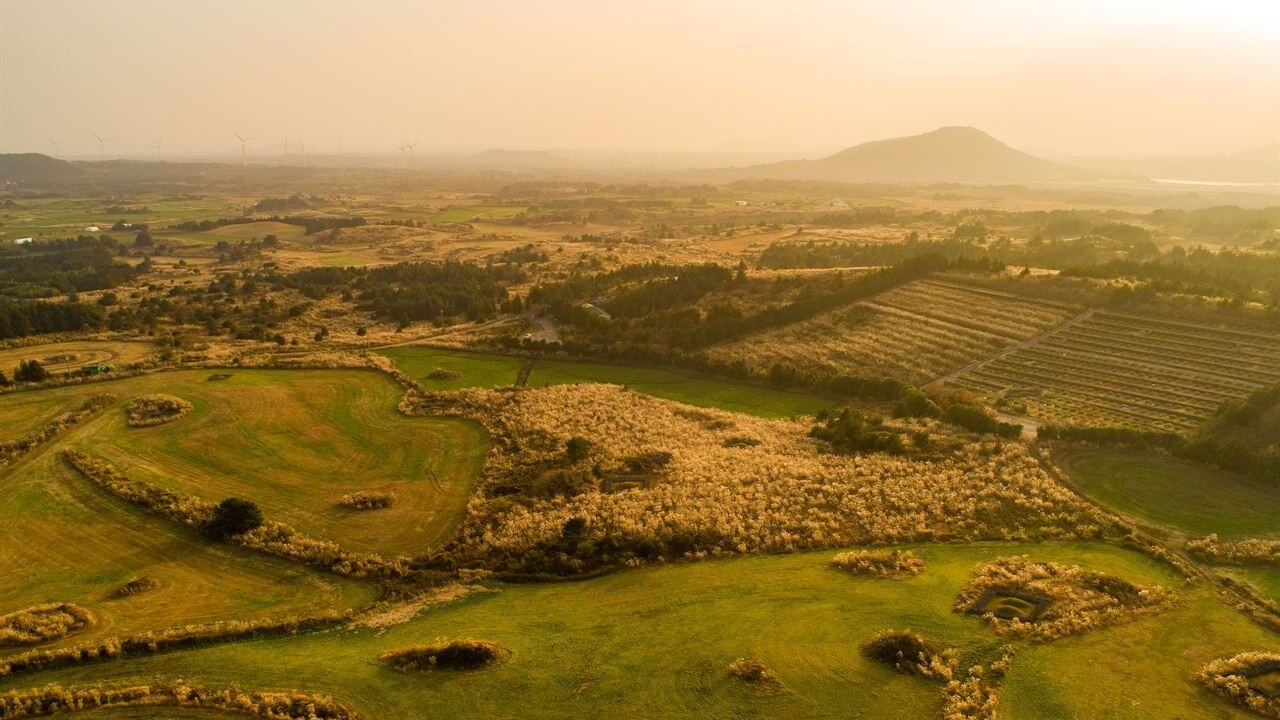
The wide view puts the grassland within a broader Jeju landscape. The low hill, fields and neighboring landforms give the scene depth beyond the individual plants.
The Korea Tourism Organization’s visitor description also presents autumn silver grass as a defining feature. That supports the destination’s seasonal character, while current flowering conditions and a verified 2026 peak date remain unconfirmed. Distant views depend on clear weather.
For a mainland alternative, compare Hwangmaesan’s autumn silver grass landscape. These are separate destinations with different landforms, not parts of one day’s trail. The comparison helps decide between a Jeju volcanic hill and a larger mainland mountain setting.
Saebyeol Oreum suits an autumn itinerary with room to choose how much to climb. Seeing the grass and the hill together can be the point of the visit, without making a particular summit photo the measure of it.
You May Also Like
by Google Adsense