Asan Ginkgo Tree Road Autumn Walk: Gokgyocheon Trees, Decks and River Views
Explore a car-free avenue and a separate riverside perspective without assuming peak yellow leaves
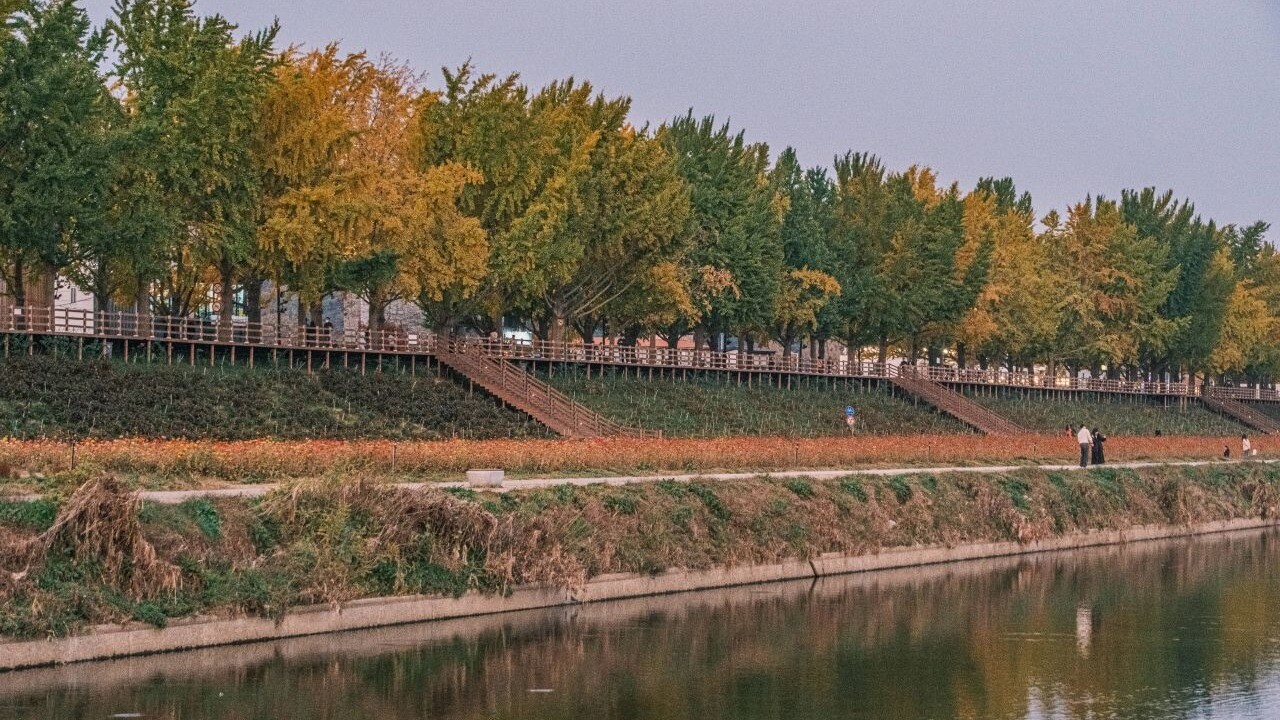
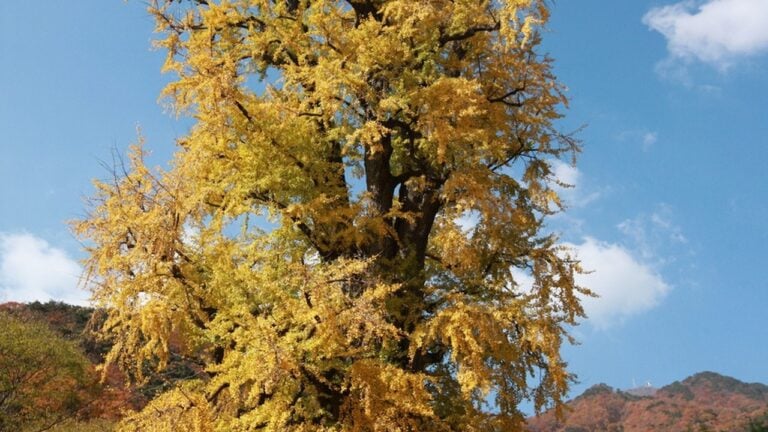
Trees form a line above the water. From beneath their branches, the avenue feels enclosed; from across the river, the same trees become part of a longer landscape.
Asan Ginkgo Tree Road follows Gokgyocheon River in Yeomchi-eup, Asan, Chungcheongnam-do. For travelers choosing a fall walk, the avenue and the riverside setting are two useful ways to understand the destination.
The city describes an approximately 2.1-kilometer stretch between Chungmugyo Bridge and the entrance toward Hyeonchungsa Shrine. That is a description of the avenue, not evidence that every tree is yellow on a particular day.
Current leaf color and a 2026 site-specific peak date have not been verified. The photographs explain the setting without promising the same conditions on a future visit.
Asan Ginkgo Tree Road has a history behind the branches
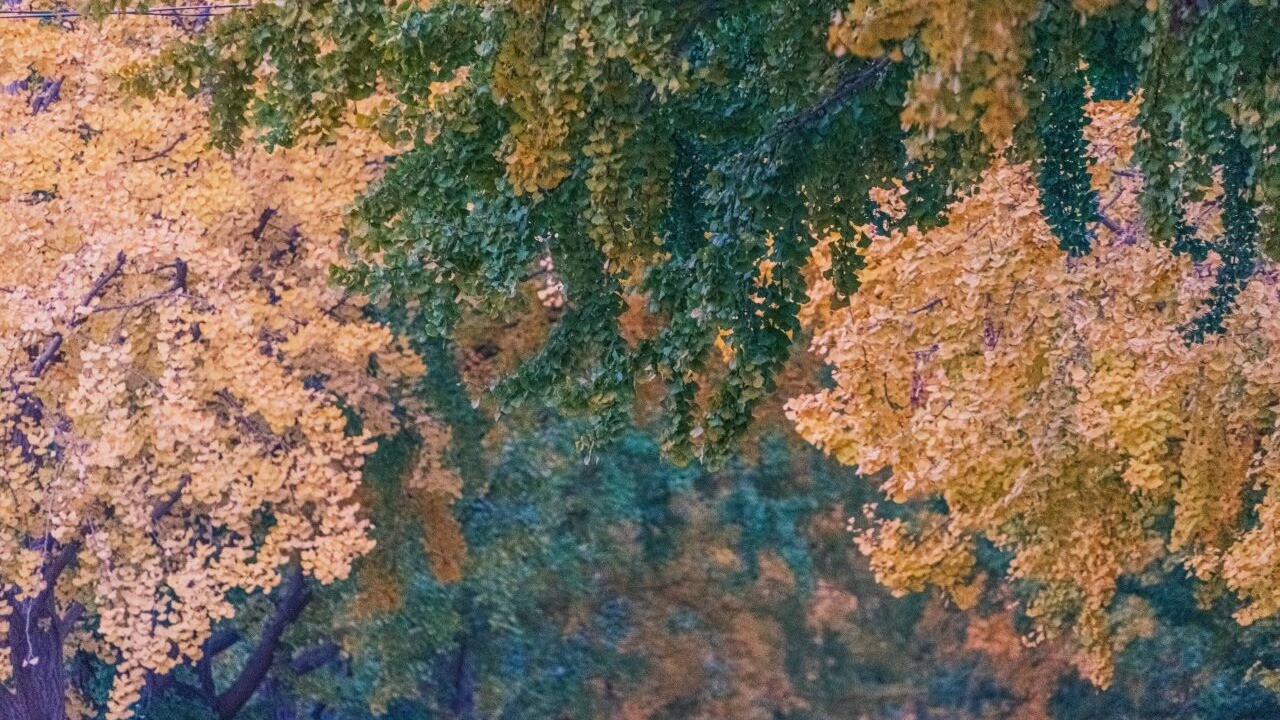
Close leaves reveal the branching structure behind them. What looks like a continuous row from a distance becomes a collection of individual trees when viewed at a smaller scale.
Asan City’s official account connects the avenue’s development to the Hyeonchungsa improvement project. It says ginkgo trees about ten years old were planted in 1973.
The planting date is more useful than repeatedly copying an age estimate from an older description. It explains how time helped create the broad trunks and dense branches visible along the road.
The deck and stairs change the viewing position
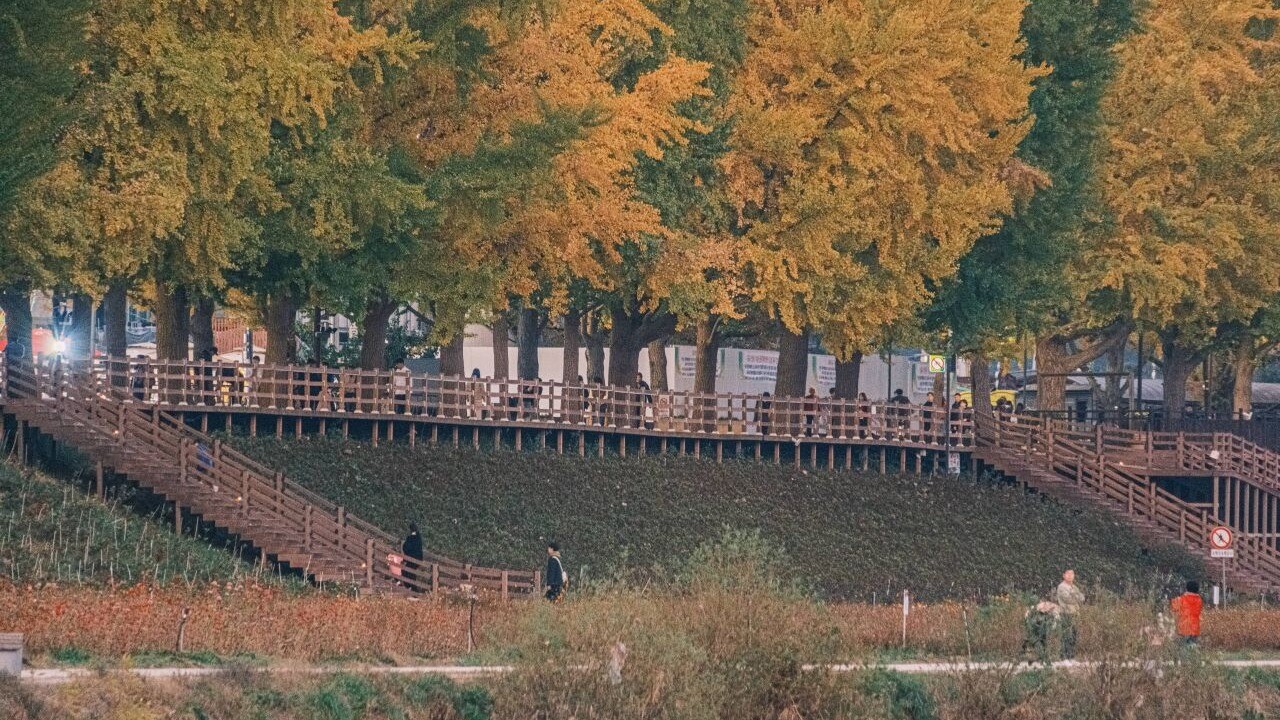
A wooden deck runs beside the trees, while stairs lead toward the lower ground. The photograph places the avenue and the riverbank in the same frame.
The city describes the avenue as a car-free street with an adjacent wooden deck. This gives the destination a different character from a roadside stop where the trees are viewed only from a vehicle.
A photograph of stairs does not establish the accessibility of the entire route. Read the deck, stairs and riverside areas as distinct spaces rather than assuming every section has the same surface or level.
See the length of the avenue from the river
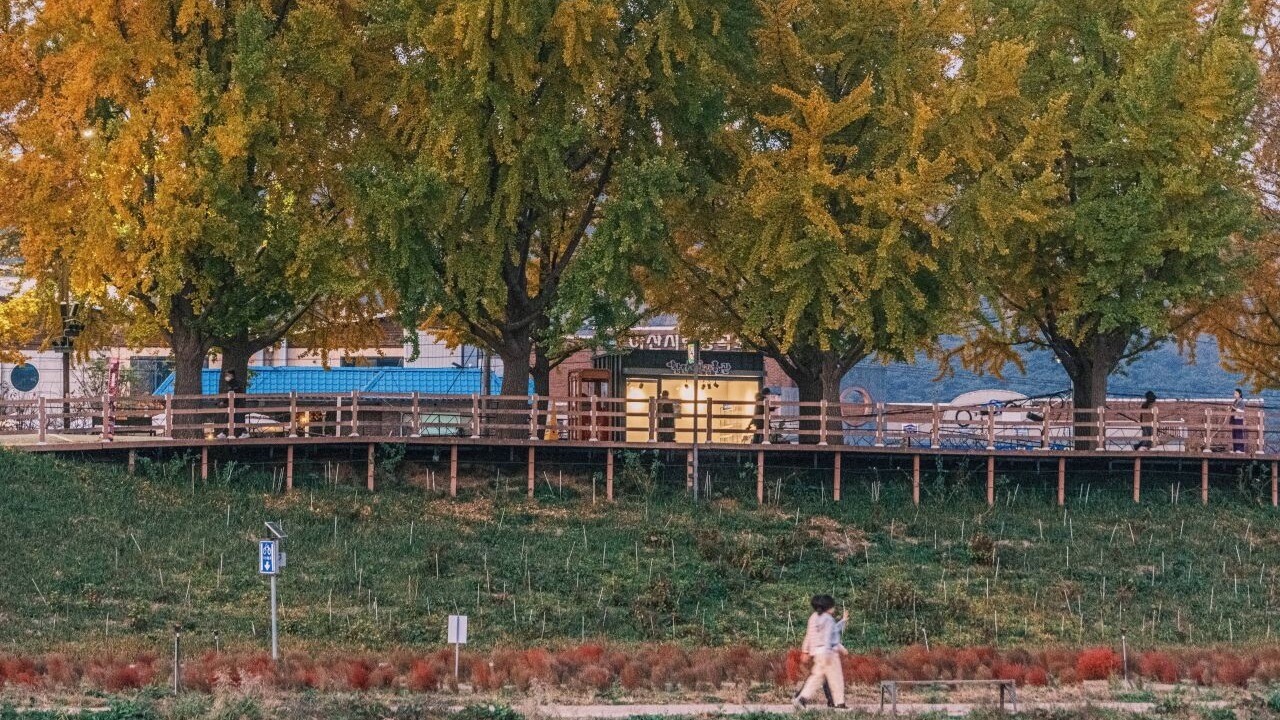
A walker near the water gives the trees a sense of scale. The view reveals the row of trunks more clearly than a photograph taken directly beneath the canopy.
The city lists roughly 350 ginkgo trees across the wider avenue, including about 180 along Gokgyocheon. The total and the riverside subset refer to different parts of the planting.
The setting contains more than yellow foliage. The deck, embankment and water form separate horizontal lines, while the branches rise above them. These relationships help explain why the river matters to the walk.
Smaller movements belong to the river landscape
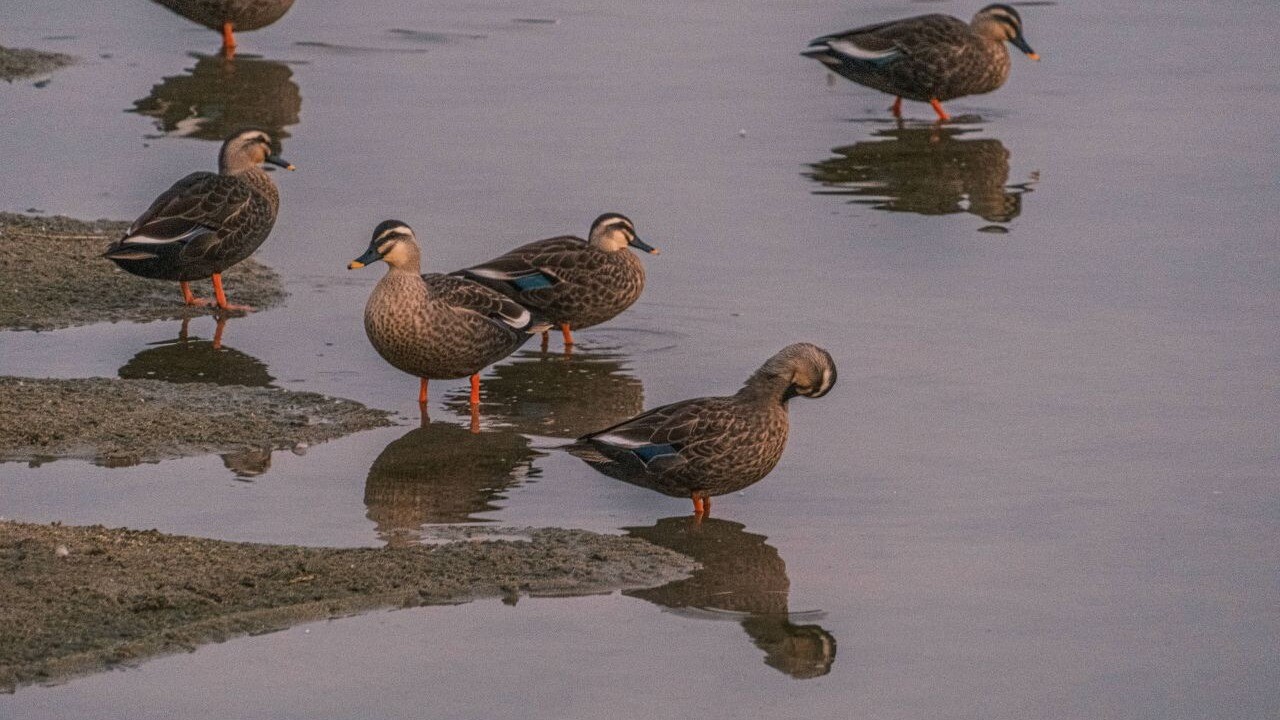
Ducks rest in shallow water in the photograph. Their presence moves attention away from the broad canopy toward the smaller activity of the riverbank.
This is not a promise of seeing a particular bird on every visit. Water levels, wildlife and the appearance of the bank can change.
A nationwide ginkgo forecast is also not an observation at this avenue. Without current evidence, it would be misleading to say the whole road is yellow today or that the ground has the same covering of leaves as a photograph.
For someone comparing fall destinations, the river provides another reason to consider this setting. The walk is about the relationship between trees and water as well as the seasonal color.
Reflections create another version of the avenue
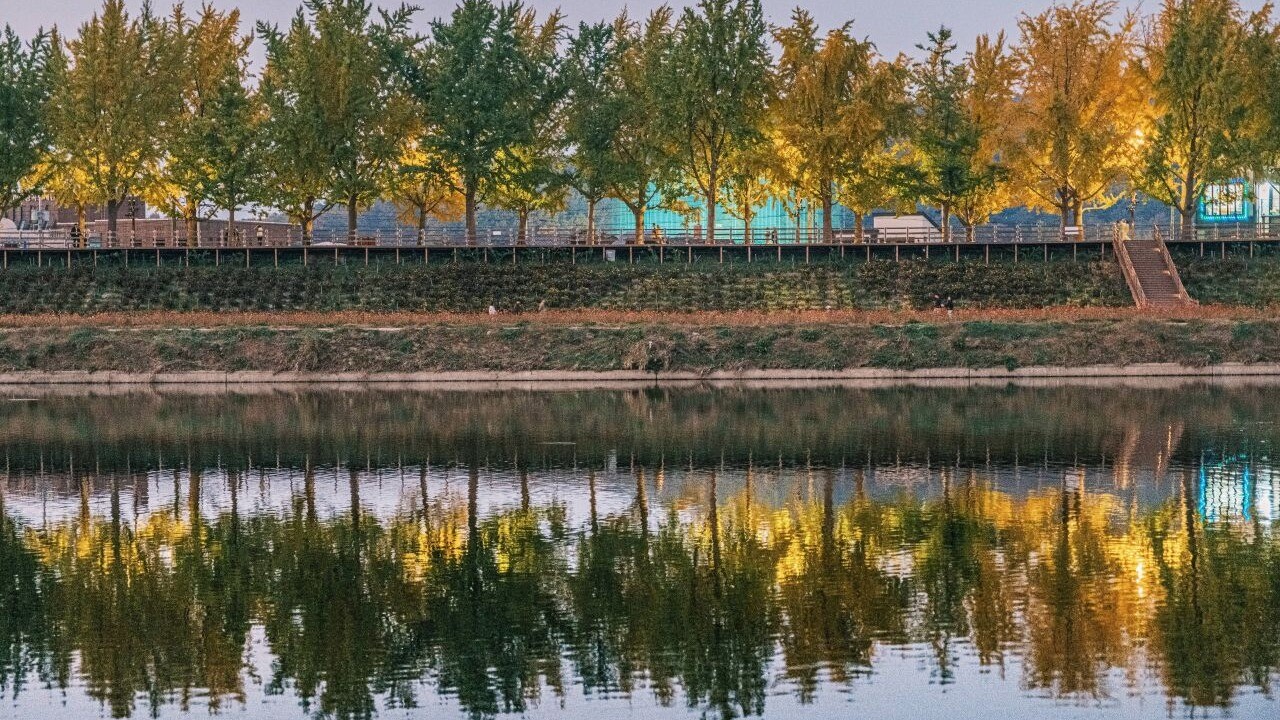
The trees appear again in the water, with their outlines reversed. The image depends on both the avenue and the river, rather than on foliage alone.
Reflections vary with light and ripples. A photograph taken in evening light does not confirm current nighttime illumination or an operating event. This article does not advertise a 2026 festival.
For a separate tree-and-water destination, compare the Mungwang Reservoir ginkgo walk in Goesan. The reservoir and the river avenue are alternatives in different regions, not neighboring stops.
Asan’s avenue becomes clearer when the view alternates between branches overhead and trees across the water. Its appeal lies in those changing perspectives, with current conditions left open rather than turned into a guaranteed photograph.
You May Also Like
by Google Adsense