Gangneung Ojukheon Guide: 5 Best Things to See at Korea’s Historic House
A complete visitor guide to Gangneung Ojukheon: exploring Mongnyongsil, black bamboo groves, Yulgok Memorial Hall, and the Gangneung Currency Museum with practical admission and itinerary tips.
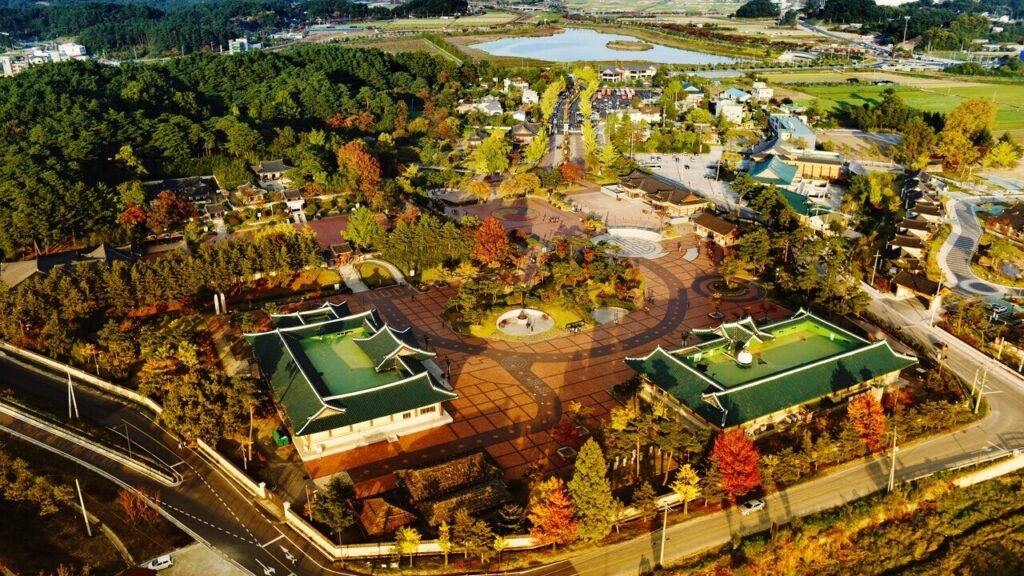
Stepping into Ojukheon with my child, the very first sensation that washed over me was a profound stillness, a world apart from the vibrant rush of Gangneung’s coastal beaches. As we passed through the traditional wooden gates and stepped onto the path flanked by slender black bamboo, my child’s energetic steps naturally slowed, opening up quiet moments to share stories about the remarkable history beneath our feet.
On our visit, the route that felt most rewarding began with the historic timber residence and Mongnyongsil birth room, wound past the commemorative bronze statues and outdoor garden paths, and concluded at the Gangneung Municipal Museum and Currency Museum. Visiting only the heritage residence takes a fraction of the time required to thoroughly take in the indoor galleries, so I have compiled this practical guide covering admission fees, operating hours (verified as of August 2026), and essential tips for traveling with family.
🪙 Korean Banknote Photo Spot & Heritage Trail Tips
• The 5,000 Won Photo Pedestal: In front of Mongnyongsil at Gangneung Ojukheon, locate the designated round bronze photo marker on the ground. Hold up a 5,000 won banknote and align its illustration directly with the ancient wooden pavilion for the classic commemorative shot.
• Hanbok Experience: Rental boutiques outside the main entrance offer traditional Hanbok garments (KRW 10,000–15,000 for 2 hours), which grant free or discounted admission.
• Nearby Walking Route: Just 5 minutes on foot leads to Gangneung Ojuk Hanok Village, and a 20-minute stroll (or 5-minute taxi) connects you to the historic 99-room Seongyojang Manor.
• Cultural Details: Read full heritage archives on the VisitKorea Ojukheon Heritage Information page.
Allow 40 minutes to an hour if you only plan to tour the historic residence, or 1.5 to 2 hours if you also wish to explore the municipal museum and currency exhibition hall.
What Makes Gangneung Ojukheon So Special?
Gangneung Ojukheon is a deeply revered heritage site where one of the Joseon Dynasty’s most eminent Neo-Confucian philosophers, Yulgok Yi I, and his mother, the celebrated artist, poet, and calligrapher Shin Saimdang, once lived. Built during the early Joseon period in the mid-15th century, the main residence stands as one of the oldest surviving wooden residential buildings in Korea and is officially designated a National Treasure.
Rather than an overwhelming museum demanding intense historical memorization, Ojukheon feels like a peaceful botanical sanctuary where you can stroll among time-honored Joseon architecture and reflect on Korea’s cultural giants. It offers a refreshing, contemplative contrast to a beach getaway, making it equally wonderful for a multigenerational family outing, a romantic stroll, or a thoughtful solo walk. Even if you aren’t deeply versed in Korean history, Ojukheon’s sheer elegance and peaceful grove make it a must-visit highlight of any trip to Gangneung.
The Meaning Behind Ojukheon: Tracing the Black Bamboo Legacy
Understanding the name adds an extra layer of appreciation to your visit. The name Ojukheon (烏竹軒) literally translates to “House of Black Bamboo.” In Hanja (Chinese characters), o (烏) means crow or jet-black, and juk (竹) means bamboo. The estate earned this moniker from the dense groves of slender bamboo with striking, ebony-colored stalks (Phyllostachys nigra) that flourish around the perimeter of the residence.
Rather than merely glancing at the wooden buildings and rushing past, pause for a moment along the paths. Listen to the gentle rustling of the bamboo leaves in the sea breeze and breathe in the deep serenity that has graced these grounds for more than five centuries.
Key Visitor Highlights: What to Look for at Ojukheon
The complex is surprisingly expansive, offering an array of architectural, historical, and nature highlights. Here are the core focal points you should not miss during your exploration.
1) The Main Residence and Mongnyongsil: The Birth Room of a Great Scholar
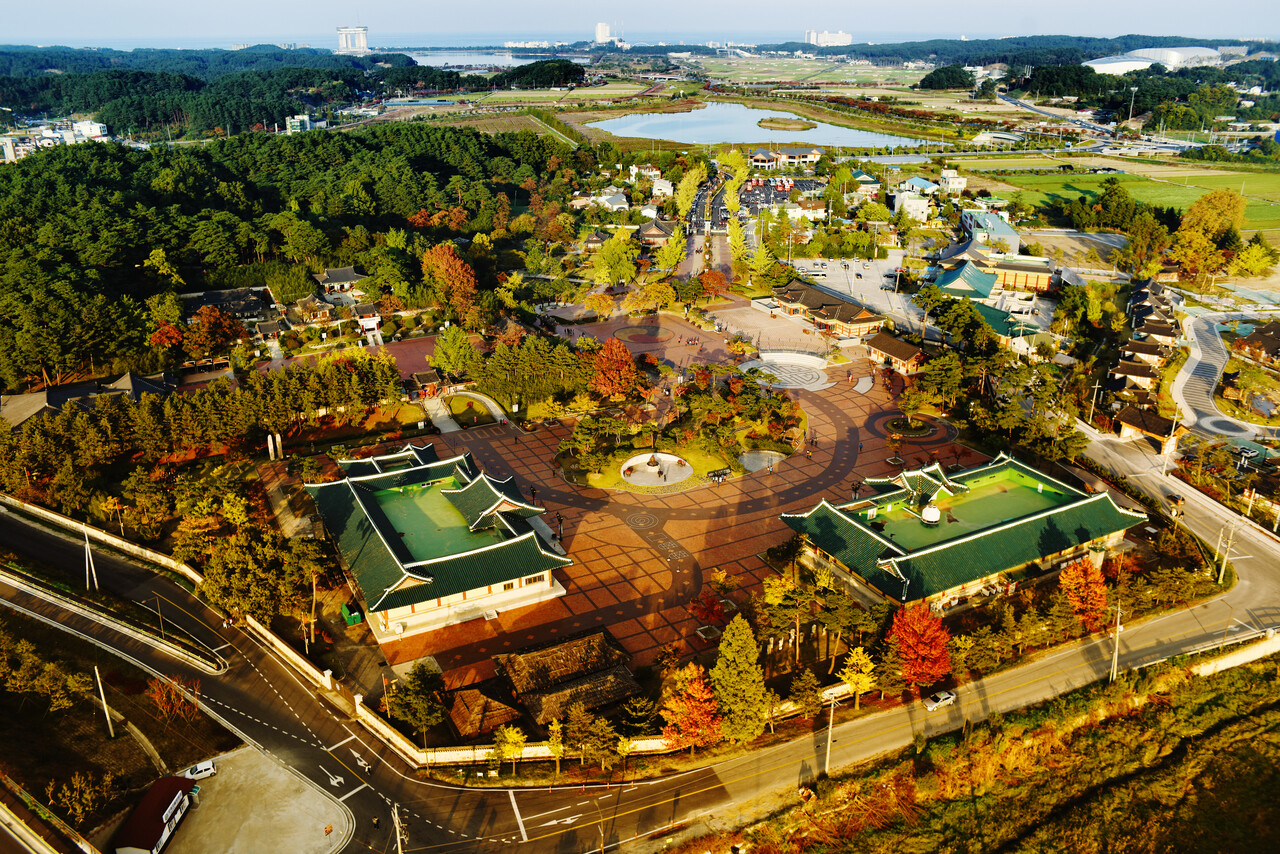
The central residence exemplifies the refined grace and balanced restraint characteristic of early Joseon timber architecture. Note the gently curved eaves, designed with timeless dignity rather than gaudy ornamentation. The heart of this complex is Mongnyongsil (the “Dream of the Dragon Room”). According to legend, Shin Saimdang gave birth to Yulgok Yi I here in 1536 after dreaming of a magnificent black dragon rising from the East Sea. Standing before this historic chamber, knowing that it cradled one of Korea’s most visionary thinkers, gives the ancient wooden floorboards an unmistakable aura.
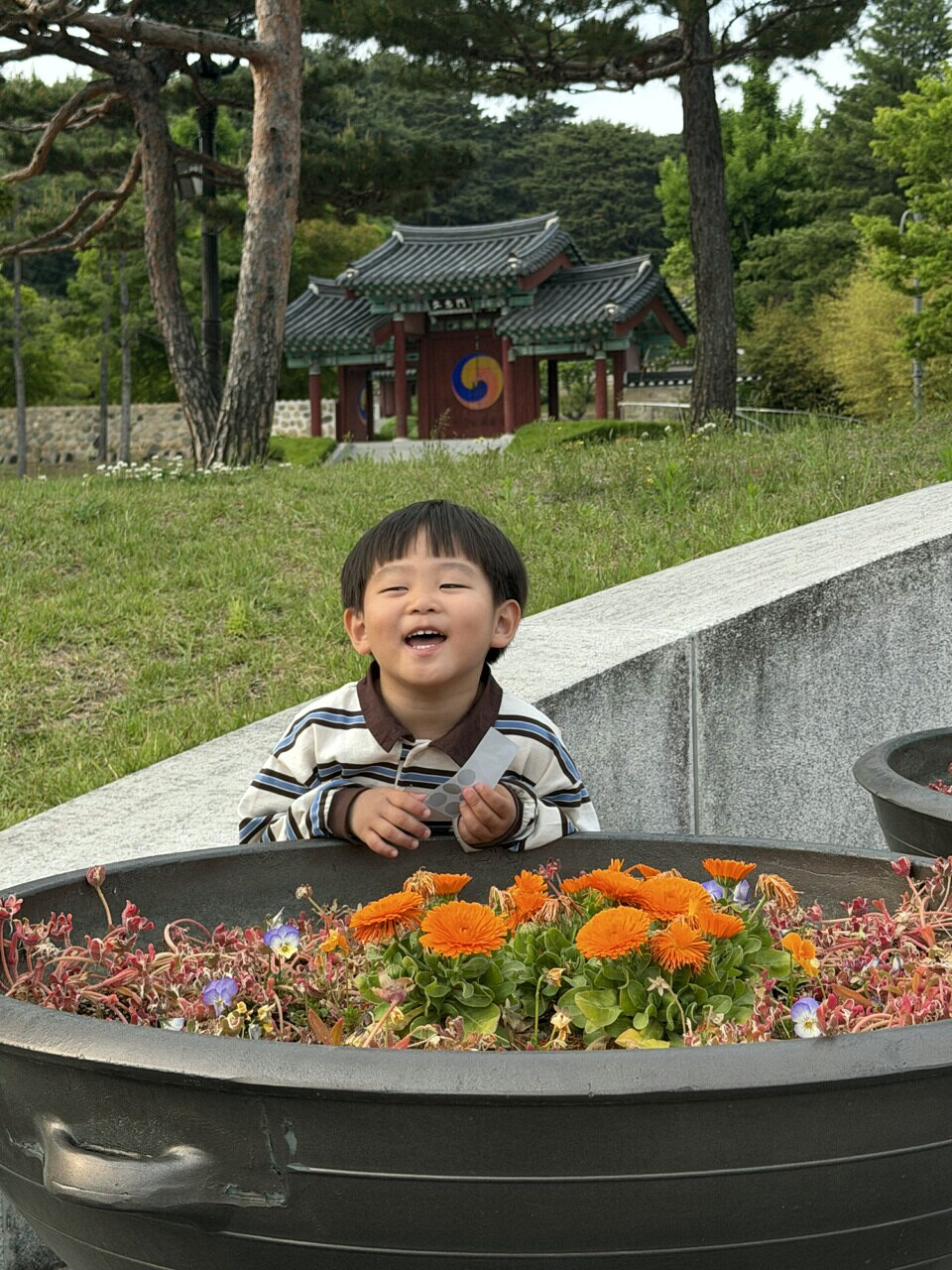
The walkways weaving between the traditional halls at Ojukheon are well paved and gently graded, making them exceptionally easy to navigate with young children or elders. Alternating between flower beds, sweeping tiled gates, and dark bamboo clusters turns what could be a dry history lesson into an engaging, mini treasure hunt for kids.
In the video below, you can experience the tranquil atmosphere of the stone pathways leading toward Munseongsa Shrine, which enshrines the portrait of Yulgok Yi I.
2) Tracing Mother and Son: Statues and Storytelling on the Grounds
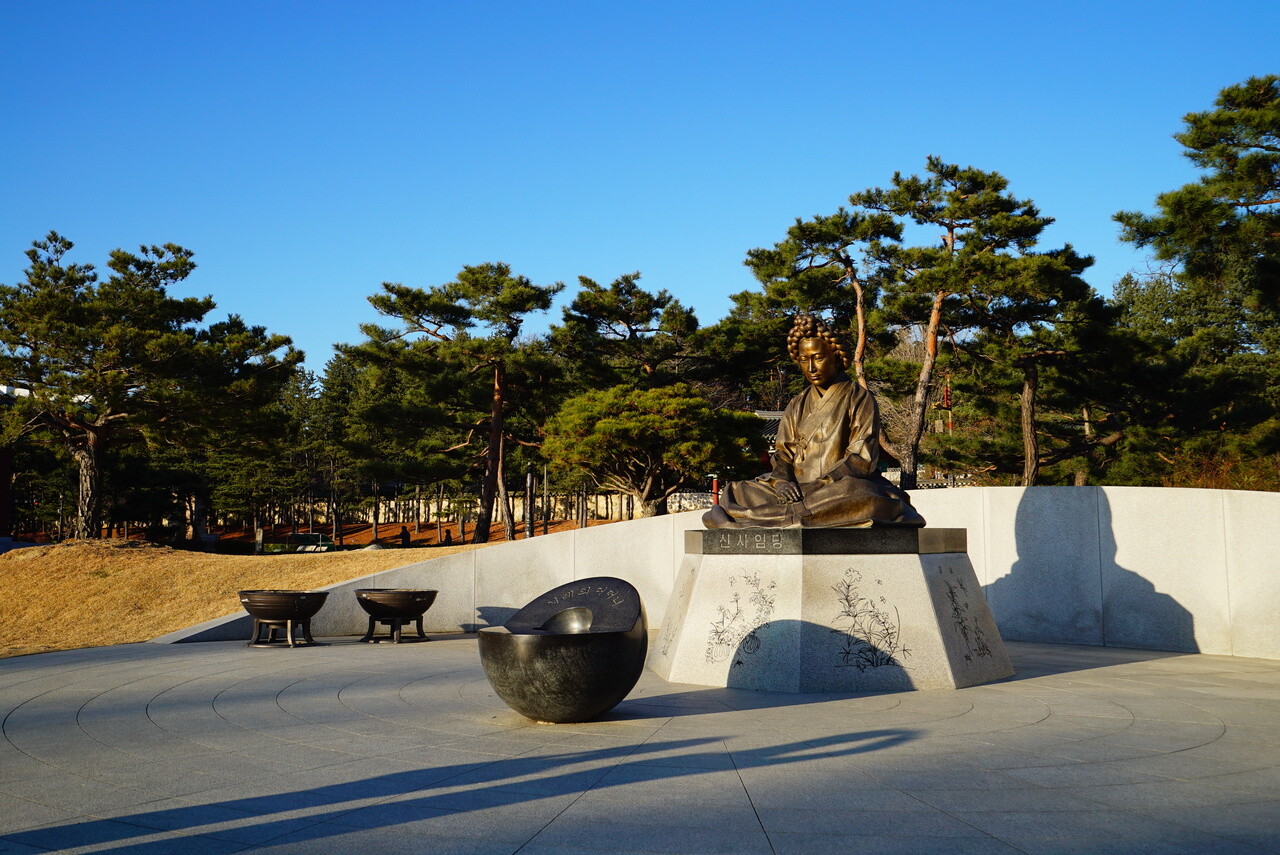
Throughout the grounds stand statues commemorating Shin Saimdang and Yulgok Yi I, alongside floral beds planted with the very plants and insects portrayed in Saimdang’s famous Chochungdo (grass and insect paintings). If you are visiting with kids, pull out a 50,000 won bill (featuring Shin Saimdang) and a 5,000 won bill (featuring Yulgok Yi I) right in front of the statues. They are celebrated as the only mother and son duo in the world to appear simultaneously on a nation’s official banknotes—a captivating real-life connection that brings history instantly to life.
The video below captures a family stroll around the majestic bronze statue of Yulgok Yi I.
3) Weather-Proof Culture: Gangneung Municipal Museum and Yulgok Memorial Hall
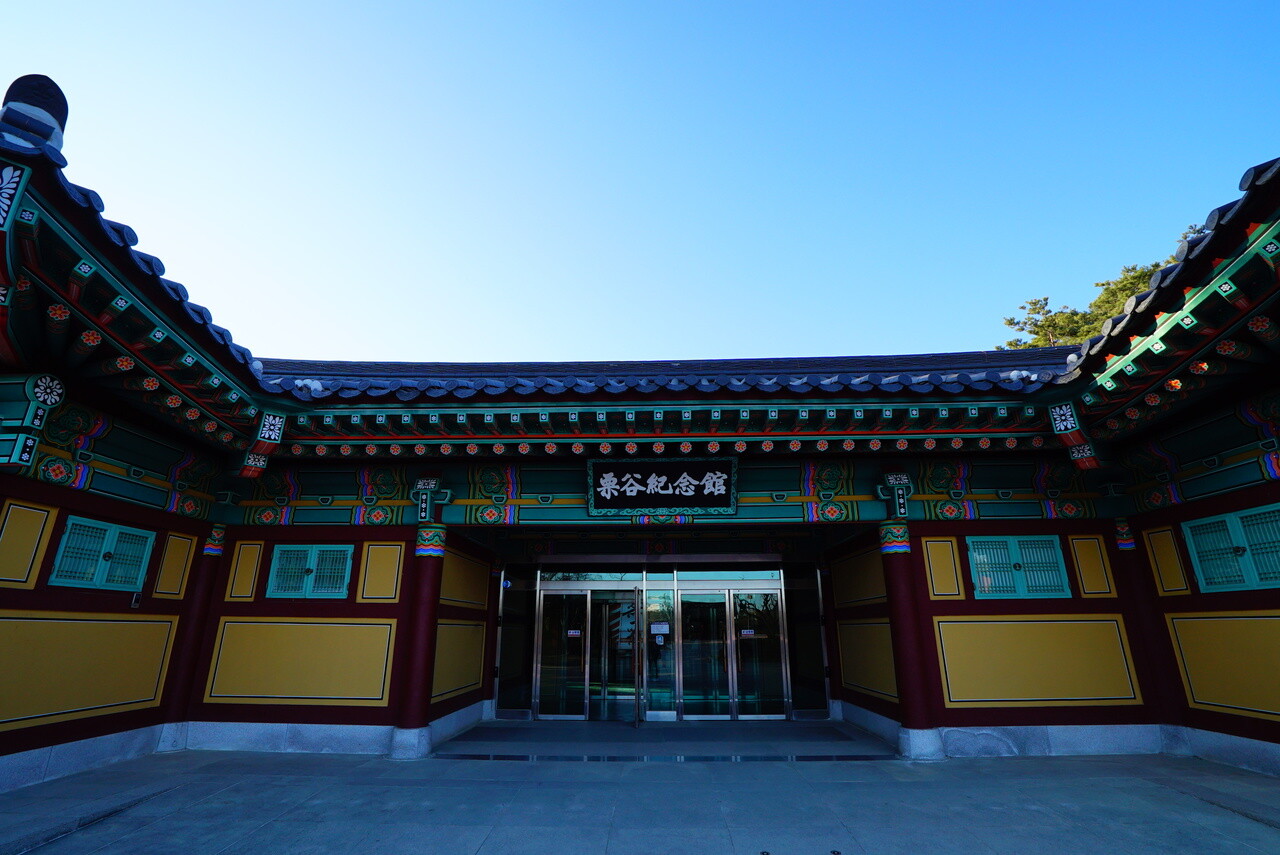
Once you finish strolling through the outdoor heritage compound, make your way to the Gangneung Municipal Museum and Yulgok Memorial Hall located on the same estate. Here, you will find an enriching collection ranging from folk artifacts of the Yeongdong coastal region to authentic calligraphy and paintings created by Shin Saimdang and her gifted family. Because these exhibitions are fully indoor and climate-controlled, they offer a comfortable cultural retreat during hot midsummer afternoons, chilly winter days, or sudden rainy spells.
The video below offers a glimpse of the delicate artwork and exhibition atmosphere at the Gangneung Municipal Museum.
4) Family Favorite: Gangneung Currency Museum
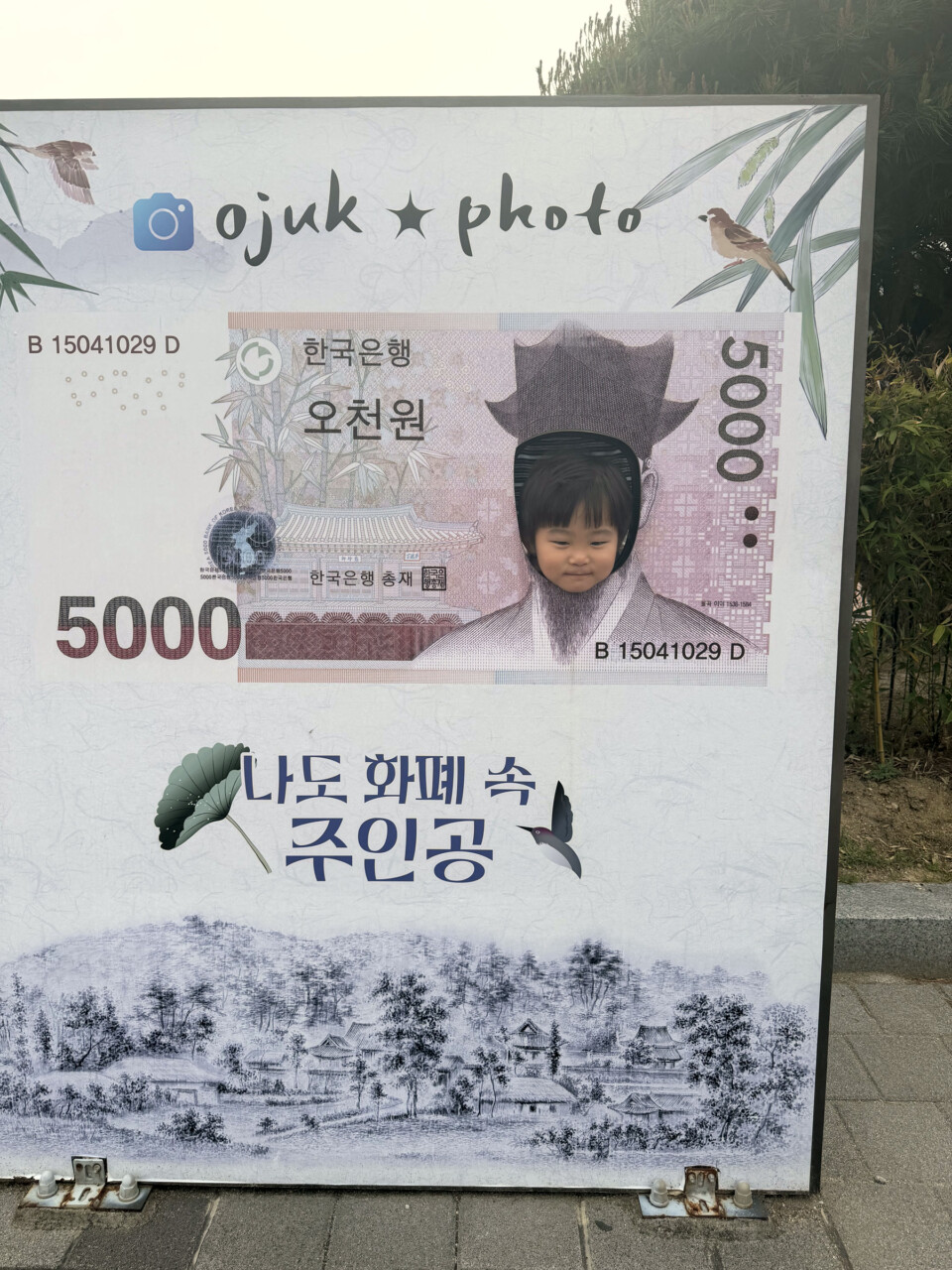
Ojukheon also houses the Gangneung Currency Museum, dedicated to honoring this extraordinary mother and son as national banknote figures. The modern exhibition hall showcases the global history of currency, fascinating anti-counterfeiting technologies embedded in modern paper money, and interactive displays. Hands-on activities like designing your own custom banknote and pressing commemorative seal stamps make this an absolute hit with traveling families.
The video below captures the fun of stamping commemorative currency in the museum’s hands-on activity zone.
5) Serene Forest Walkways Shaded by Swaying Black Bamboo
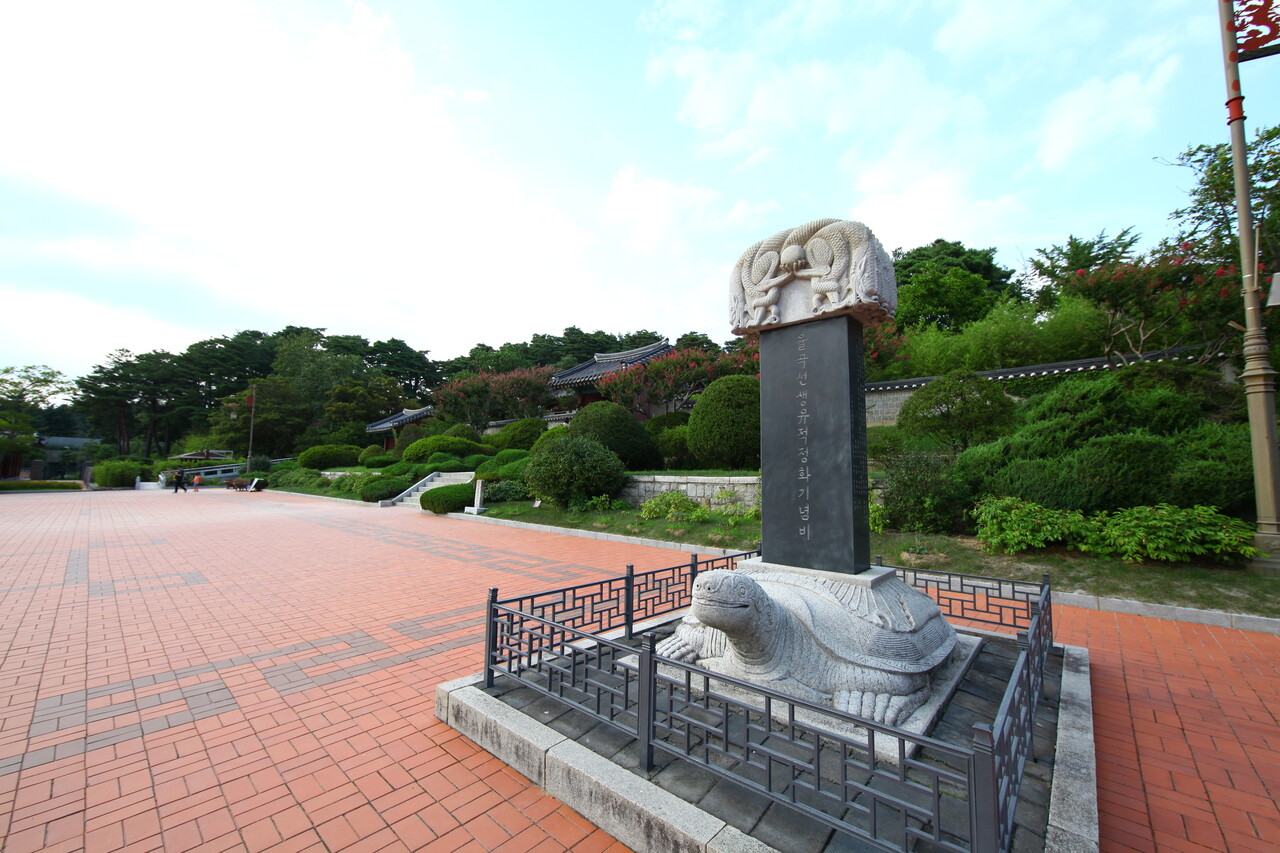
After finishing the indoor exhibits, take an unhurried walk along the outdoor trails linking the pavilions. Strolling beneath the towering canopy of black bamboo and breathing the crisp mountain-meets-ocean air provides complete, restorative relaxation away from urban noise.
The video below conveys the tranquil ambiance of ancient trees and dark bamboo rustling softly across the Ojukheon grounds.
How Much Time Should You Set Aside for Ojukheon?
When planning your Gangneung day trip, accurately estimating your visit time helps keep your day unhurried and enjoyable.
Quick Highlights Tour: If you only wish to tour the exterior heritage pavilions, Mongnyongsil, and take a quick stroll around the bamboo paths, 40 minutes to an hour is plenty.
Thorough Heritage & Museum Experience: If you plan to explore the Gangneung Municipal Museum, the Yulgok Memorial Hall, and the hands-on Currency Museum exhibits, allocate a comfortable 1.5 to 2 hours.
If traveling with older parents or grandparents, allow extra time to rest on the scenic benches scattered along the shaded grounds. When traveling with energetic young children, balancing outdoor lawn exploration with interactive currency stamping will keep boredom at bay.
Essential Visitor Info: Hours, Admission, and Parking
Here are the practical details you should double-check before mapping out your route to Gangneung Ojukheon.
Operating Hours: Ticketing is open from 9:00 AM to 5:00 PM, and grounds viewing is available from 9:00 AM to 6:00 PM daily. The site is open year-round, but on January 1st and the days of Seollal (Lunar New Year) and Chuseok (Korean Thanksgiving), only the outdoor Ojukheon heritage area is open while indoor museum halls remain closed. Keep this in mind if visiting during traditional Korean holiday seasons.
Admission Fees: Adults 3,000 KRW; Youth and Soldiers 2,000 KRW; Children 1,000 KRW. Free admission is granted to children under age 6 and seniors aged 65 and older (ID required; refer to on-site ticketing signs for detailed concession categories).
Parking & Transit: On-site parking is completely free of charge. If the main lot becomes full on busy weekends, overflow parking is guided to the neighboring Gangneung Nongak Transmission Center lot. Public transit travelers arriving at KTX Gangneung Station can easily take a local city bus (check real-time bus arrival displays) or take a quick 10-minute taxi ride, which is often the most convenient choice when traveling with children or luggage.
Because fees and opening policies may occasionally shift depending on special municipal events or seasonal facility repairs, check the Gangneung Ojukheon & Municipal Museum Official Visitor Guide for real-time announcements prior to your visit.
Nearby Attractions to Pair with Your Ojukheon Visit
Ojukheon’s central location makes it effortless to combine with several of Gangneung’s premier cultural and seaside highlights. Here are the most natural pairings:
Seongyojang House: Located just a 2 to 3-minute drive from Ojukheon, this sprawling 99-room aristocratic estate represents the pinnacle of upper-class Joseon residential architecture. Pairing Ojukheon with Seongyojang forms an unforgettable full-spectrum Joseon heritage day.
Chodang Tofu Village: The ideal culinary stop before or after your visit. Savor legendary Chodang handmade soft tofu curdled with pristine East Sea seawater, or try spicy jjambbong sundubu noodles—a comforting dish beloved by visitors of all ages.
Gyeongpo Lake & Gyeongpo Beach: If you crave a relaxing walk after lunch, follow the serene perimeter promenade around Gyeongpo Lake. The trail leads seamlessly toward the sweeping sands and azure horizon of Gyeongpo Beach, Gangneung’s signature coastal landmark.
Gangmun Beach: Situated directly adjacent to Gyeongpo Beach, this charming coastal strip is famous for artistic seaside photo installations, chic seaside cafes, and relaxed walking paths.
Anmok Beach Coffee Street: After wrapping up your cultural sightseeing, sink into a comfortable lounge chair at a multi-story oceanfront cafe along Anmok Beach, sipping specialty brew while gazing over the open East Sea.
Tailored Itineraries to Match Your Travel Style
Customize your itinerary around Ojukheon depending on who is traveling in your party:
1) The Classic First-Timer Itinerary
Ojukheon → Chodang Tofu Village → Gyeongpo Lake → Gyeongpo Beach (or Gangmun Beach)
A foolproof foundational itinerary combining history, nature walks, local culinary specialties, and iconic sea views in a tight, efficient driving radius.
2) Relaxed Heritage Route for Parents & Seniors
Ojukheon → Seongyojang House → Chodang Tofu Village → Gyeongpo Lake → Anmok Beach Coffee Street
A gentle, unhurried course prioritizing tranquil Korean hanok architecture and scenic lake vistas over strenuous sand walking, crowned with an oceanfront cafe rest.
3) Rain-Friendly Indoor & Coastal Route
Ojukheon (focusing on Municipal Museum & Currency Museum) → Chodang Tofu Village → Anmok Beach Coffee Street
When bad weather rolls in, pivot to Ojukheon’s extensive indoor cultural pavilions, then enjoy cozy warm soft tofu and watch rain squalls lash the sea from an indoor cafe on Anmok Coffee Street.
💡 Smart Travel Planning Tips
If you wish to position Ojukheon on day one of a multi-day journey, explore our Gangneung 2-Day Itinerary. For traveling without an overnight stay, review our Gangneung Day Trip Route. Travelers looking to compare coastal settings after Ojukheon will find our Gangneung 7 Beach Comparison exceptionally helpful.
Looking for the prettiest ocean vistas to unwind after touring Ojukheon? Our guide to must-visit Gangneung beaches will steer you straight to the most photogenic spots.
Planning a packed single day from Seoul via KTX? Our Gangneung day trip itinerary maps out the most time-efficient transport links.
Traveling with curious youngsters or elderly parents? Be sure to explore our Gangneung historical travel guide for easy-walking routes!
Final Thoughts: Finding Stillness in Gangneung
Among Gangneung’s bustling coastal promenades and bustling seafood markets, Ojukheon quietly anchors the city with profound historical depth and calm elegance.
Here, the inspiring life stories of Shin Saimdang and Yulgok Yi I unfold naturally through hands-on exhibitions, peaceful ancient halls, and the meditative whisper of black bamboo groves. If you are deciding how to map out your day, starting your morning at Ojukheon before heading to Chodang Tofu Village and the coastal sands offers an effortlessly balanced Gangneung journey.
Once you finish your peaceful morning stroll at Ojukheon, head just a couple of minutes down the road to Seongyojang House, the crowning jewel of Joseon aristocratic residences. In our next feature, we dive into the timeless beauty and viewing secrets of Seongyojang. Wishing you a restful, romantic, and deeply memorable journey through Gangneung!
Walking here with my child, I realized that Ojukheon leaves its deepest impression when you take your time connecting the historic residence, the bamboo trails, the museum, and the currency exhibition.
Frequently Asked Questions
How much time is needed to explore Gangneung Ojukheon?
Touring just Mongnyongsil and the historic timber residence takes about 40 minutes to an hour. If you include the Gangneung Municipal Museum, Currency Museum, and peaceful outdoor walks through the bamboo groves, we recommend setting aside 1.5 to 2 hours.
Can you comfortably tour Ojukheon on a rainy day?
Yes. While moving between buildings requires walking outside, Ojukheon features multiple indoor venues including the Gangneung Municipal Museum, Yulgok Memorial Hall, and Currency Museum. Bring an umbrella and comfortable non-slip walking shoes, and you can enjoy a very fulfilling cultural visit even in the rain.
What is the most enjoyable route when visiting with children?
We recommend touring the historic residence first, then balancing outdoor walking with interactive exhibits at the Currency Museum and Municipal Museum. Rather than reading every detailed plaque, engage kids with fun observational quests—such as spotting the portraits on 5,000 and 50,000 won bills or searching for black bamboo stalks.
Fact Check: Verified as of August 17, 2026. Cross-referenced official Gangneung City Ojukheon & Municipal Museum operating details with direct on-site experience. Please reconfirm fees, operating hours, and transportation via the official website linked in this article prior to your visit.
Written & Reviewed by: Bomi Kim · All100:Travel Editorial Policy
💡 More Gangneung Guides: Check out our Complete Gangneung Travel Guide and Gangneung Day Trip from Seoul.
You May Also Like
by Google Adsense