Munsusa Temple in Gochang: Fall Maple Forest, Stone Steps and Hillside Halls
An autumn temple walk from old maple branches to tiled walls and views across the Munsusan hillside
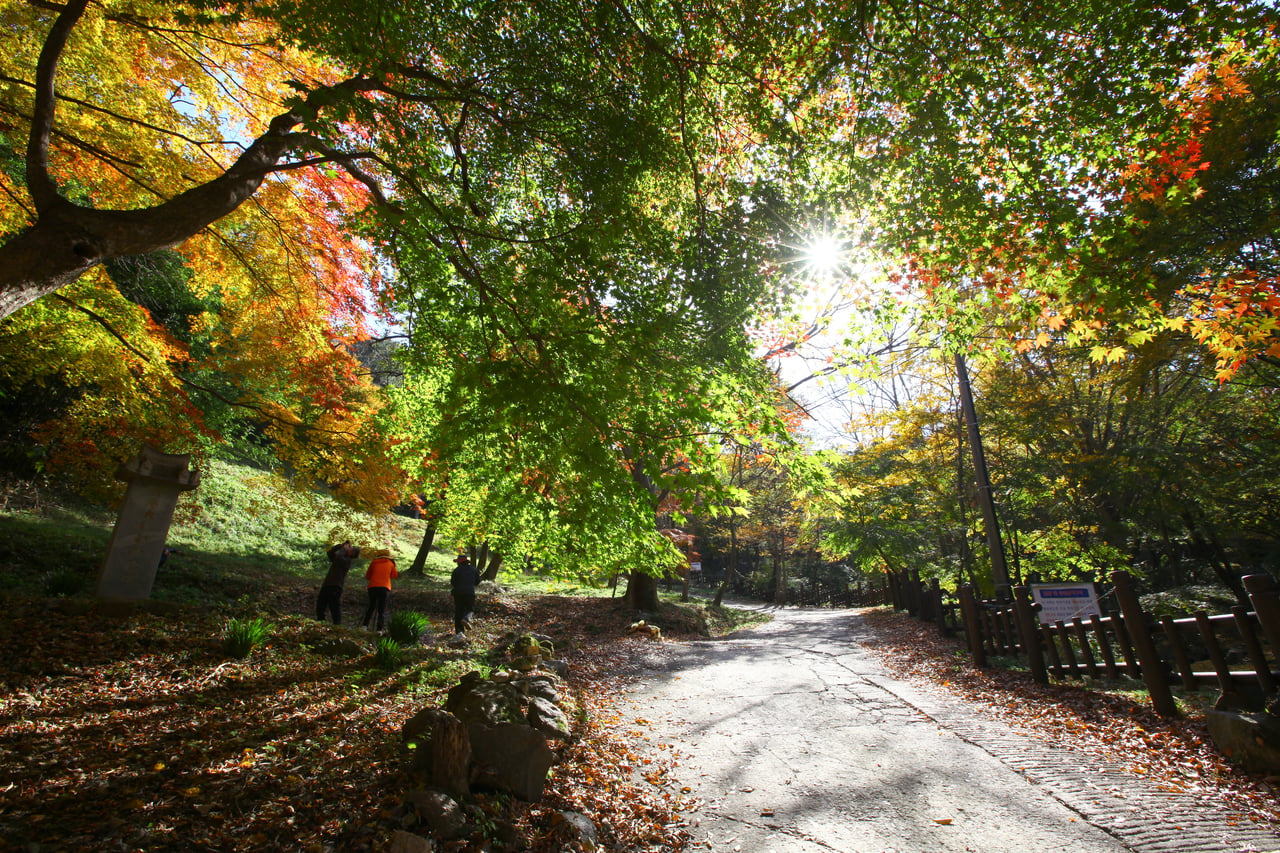
Low branches stretch across the path, with light passing through the leaves onto the fallen foliage below. Red, yellow and green share the canopy. The scene is defined as much by the shape of the branches as by their color.
Munsusa Temple in Gochang stands on the wooded slopes of Munsusan Mountain in southwestern Korea. Its maple forest is an important part of the approach, creating a setting where mature trees, sloping paths and temple buildings are closely connected.
A fall walk here can follow that relationship rather than treating the trees and halls as separate attractions. Broad branches frame the path, then a roof or stone stair comes into view. The changing scale of those scenes gives the temple landscape a clear rhythm.
Place Munsusa Temple against the wider Gochang hillside
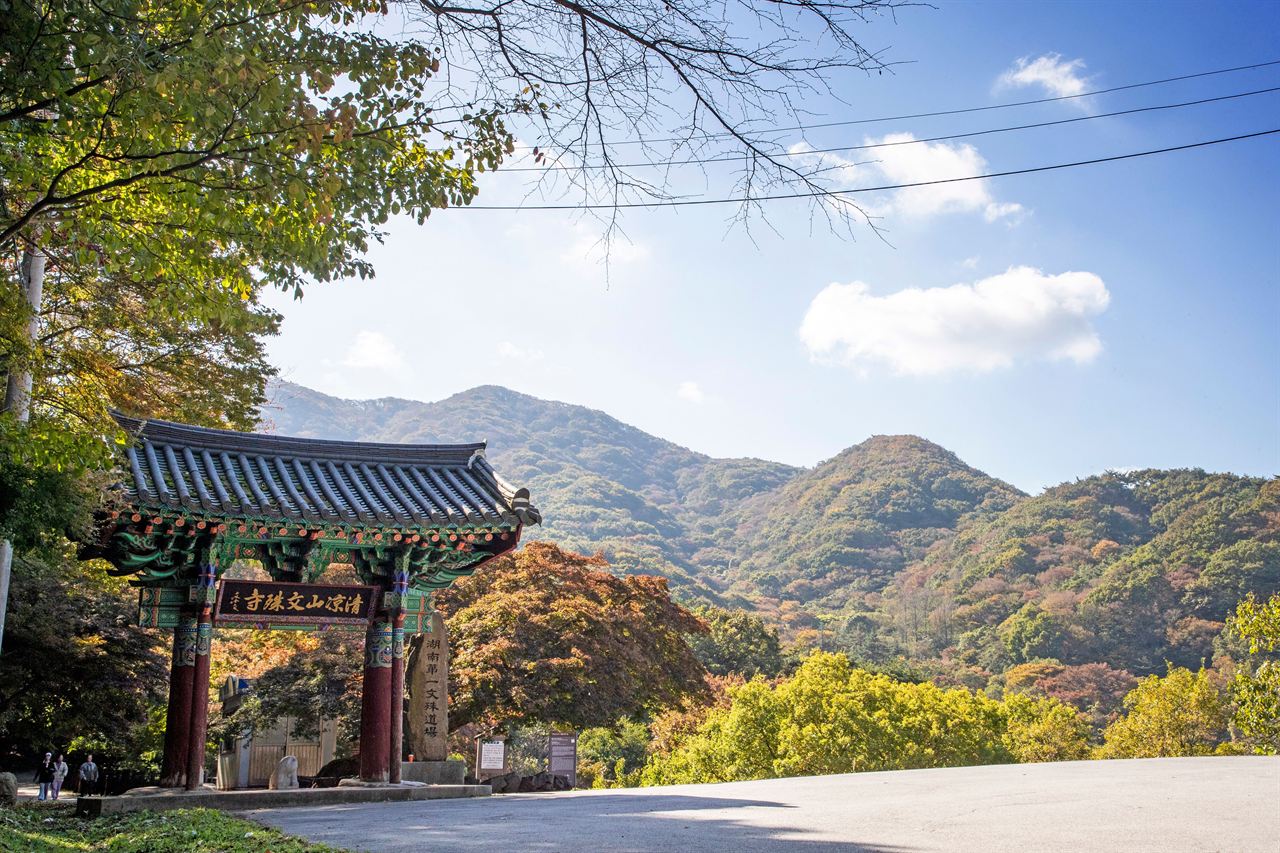
A tiled gate stands near the edge of a broad paved approach. Beyond it, wooded ridges rise in successive layers. Painted wood in the foreground and the more distant trees provide two very different kinds of detail.
Several Korean temples share the name Munsusa. This one is in Gosu-myeon, Gochang County, on Chilseong-gil. Keeping the place name together with the temple name distinguishes its maple woodland from unrelated temples elsewhere in the country.
The broad view at the entrance provides context for the more enclosed scenes farther in. A hillside that first appears as a continuous wooded surface becomes individual trunks and branches near the path. The buildings then occupy small openings within that larger setting.
Read the canopy through the branches of the old maples
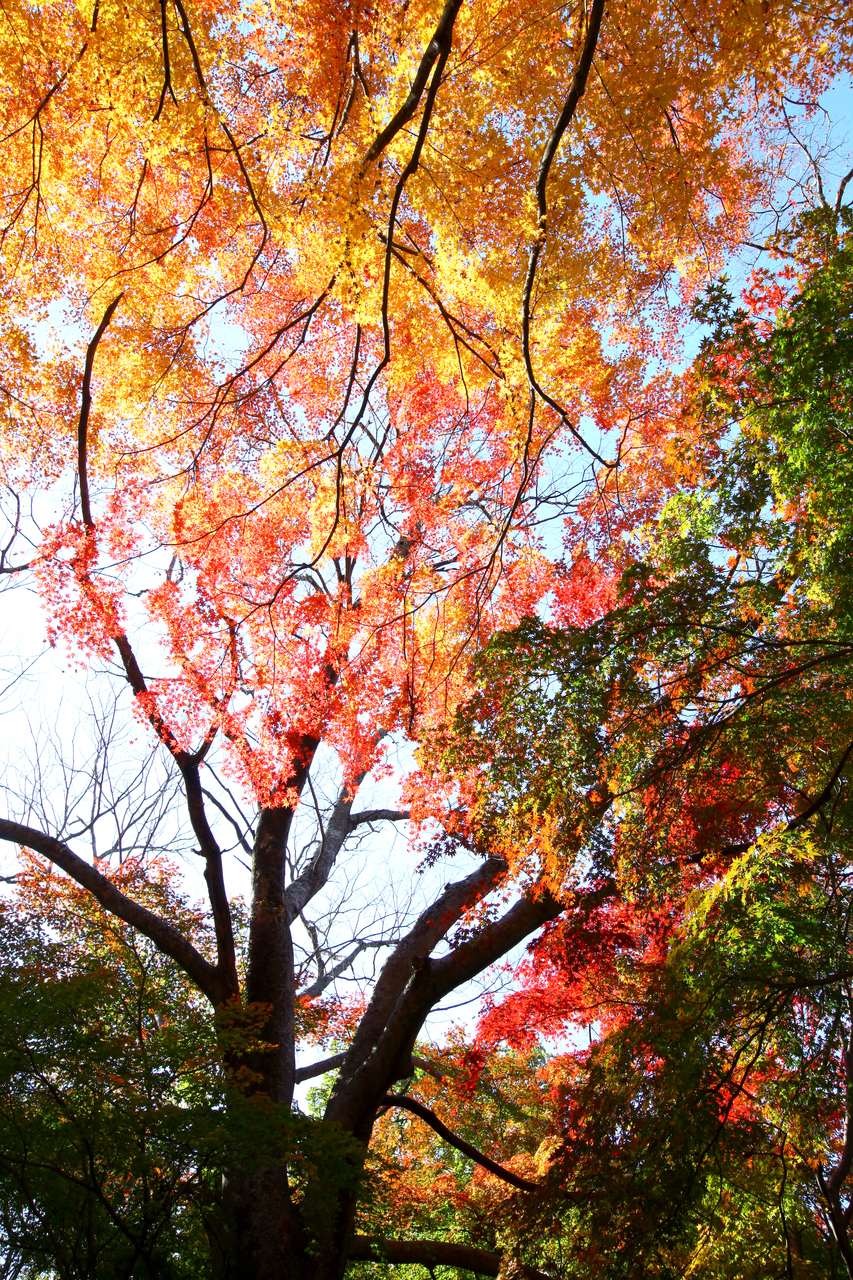
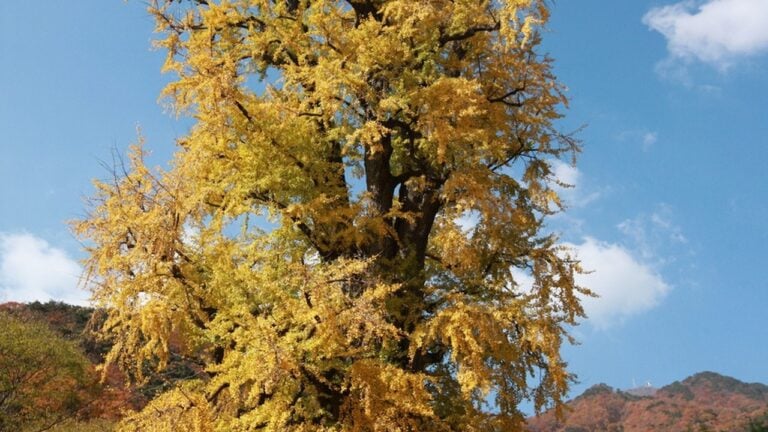
Branches divide from a substantial trunk and spread across the view overhead. Open patches of sky remain between them. Yellow leaves and red foliage form different layers around those spaces rather than one solid roof of color.
Munsusa’s maple forest is protected as a Natural Monument. The interest lies partly in the grouping of older trees: their branching forms, the distances between trunks and the way the woodland follows the slope. Looking only for the brightest leaves would miss much of that structure.
Trees also change at different rates. Sunlit edges and shaded sections need not look alike on the same day, and the amount of remaining foliage varies with weather. Comparing those differences gives a fall visit more substance than relying on a single predicted peak date for the entire forest.
See how the stone steps divide the temple slope
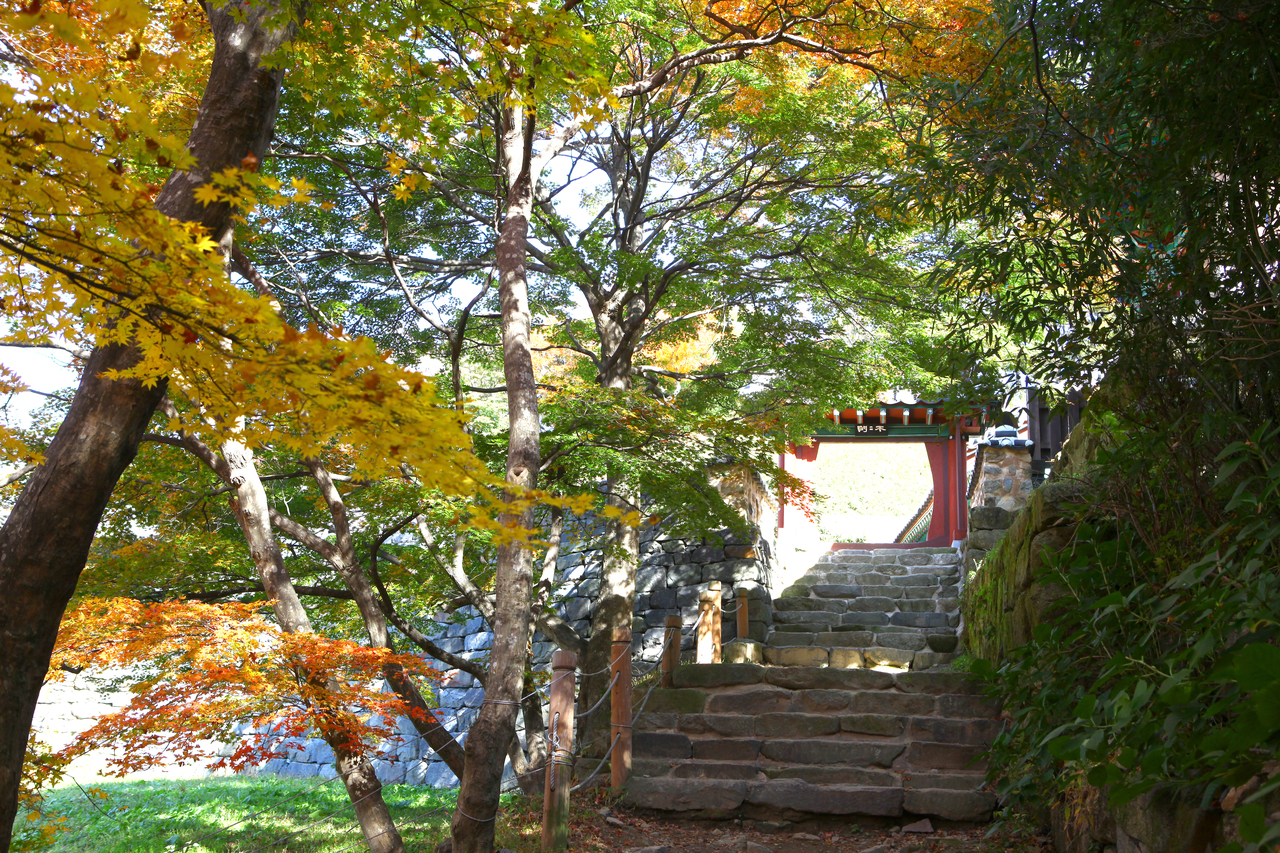
A gate stands above a flight of uneven stone steps, with trees and bamboo beside it. Tiled walls define the edges of the ascent. The arrangement draws the eye upward while surrounding branches stretch across that direction.
The steps change the experience of the approach. A path through the forest is read as a bend between trees; a stair is read one level at a time. The gate makes the change of height visible as a boundary between spaces.
Stone, wood and vegetation all contribute to the composition. A retaining edge organizes the slope, the roof marks an entrance and the branches soften the lines between them. Together they show how a small hillside temple can feel closely fitted to its terrain.
Look under the eaves of a smaller painted hall
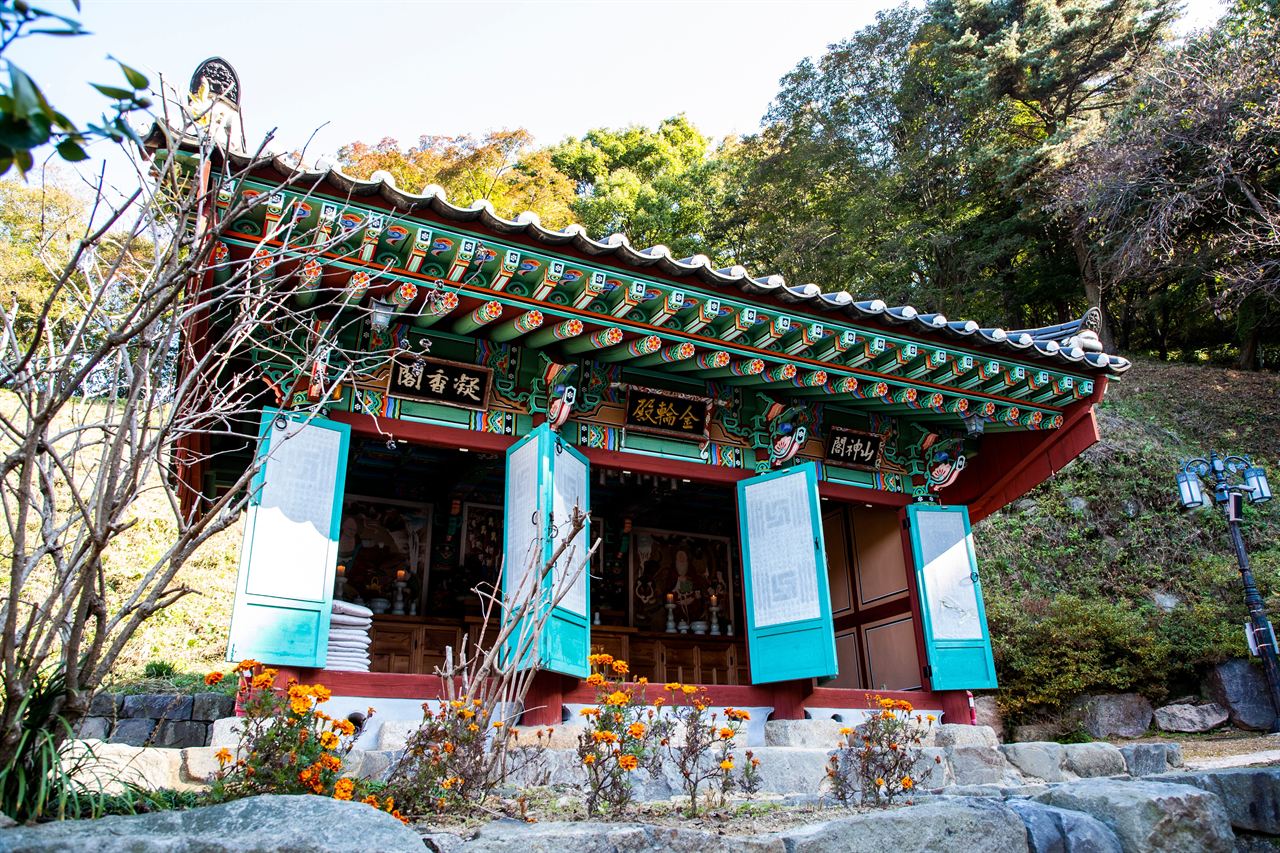
Turquoise doors open outward below a band of red and green decoration. Stones and low planting sit close to the building. The hall introduces crisp edges and repeated details after the less regular shapes of the surrounding trees.
The painted timber decoration, often called dancheong, is part of the architectural view. Repeated wooden members under the eaves and the spacing of the open bays give the building a rhythm that can be compared with the branching canopy outside.
Munsusa remains a place of Buddhist worship. Looking at the buildings should fit around that role, with care for prayer areas and the boundaries of individual halls. The exterior details alone offer plenty to observe, from the roofline to the relationship between the steps and doors.
Return to the wider forest view beyond the tiled wall
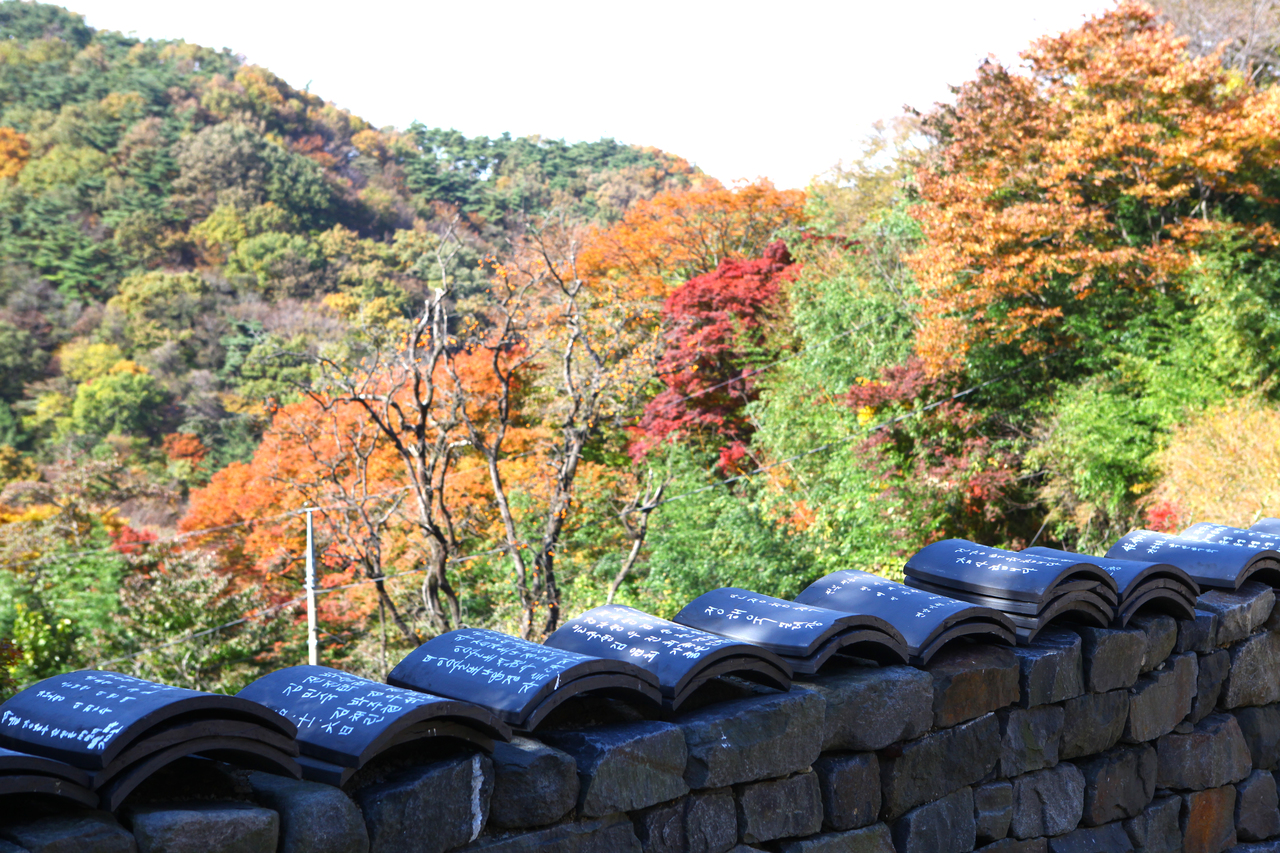
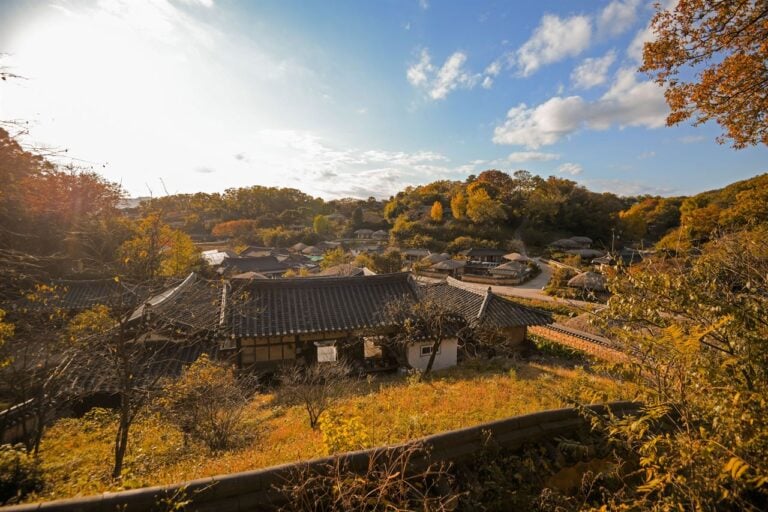
Tiles form a dark line along the nearby wall. Beyond them, trees cover the slope in different tones. Leaves that were individual details along the path become part of a wider hillside pattern.
Gochang County’s Munsusa introduction presents the temple alongside its maple woodland. That connection is the most useful way to read the place: the trees provide more than a seasonal background, and the buildings give shape to the spaces within the forest.
For a different temple landscape in the same county, see Seonunsa Temple’s fall paths along Dosolcheon Stream. Water opens the view there, offering a contrast with the close relationship between steps, walls and maple branches at Munsusa.
Munsusa Temple rewards a fall outing that moves between close detail and a wider view. A branch above the path, the surface of a step and a roof against the hillside become connected parts of one woodland setting, rather than separate stops on a checklist.
You May Also Like
by Google Adsense