“A River Through the Mountain?”… A Gorge Shaped by Stone and Legend
Taebaek Gumunso Gorge joins early Paleozoic geology with a legend of two dragons.
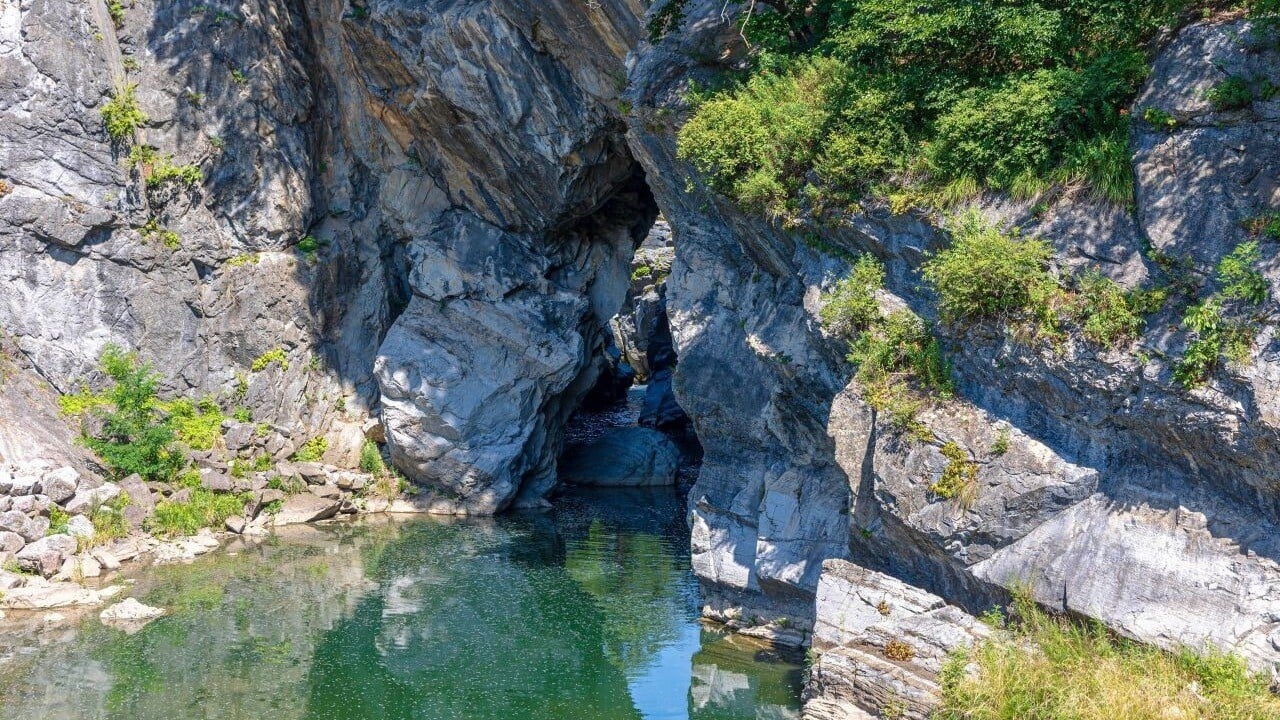
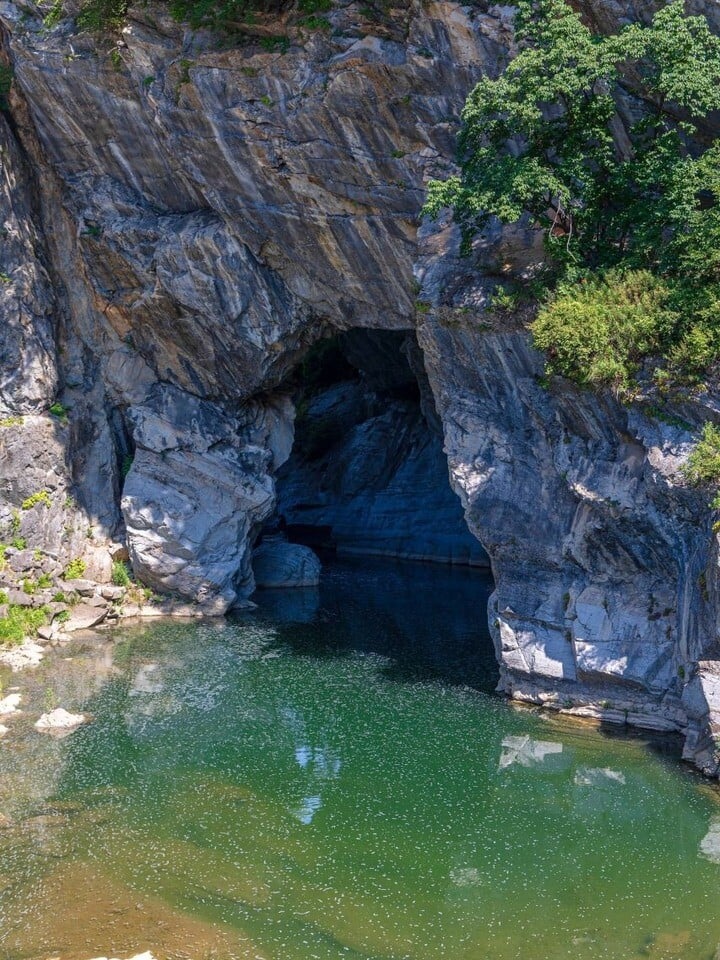
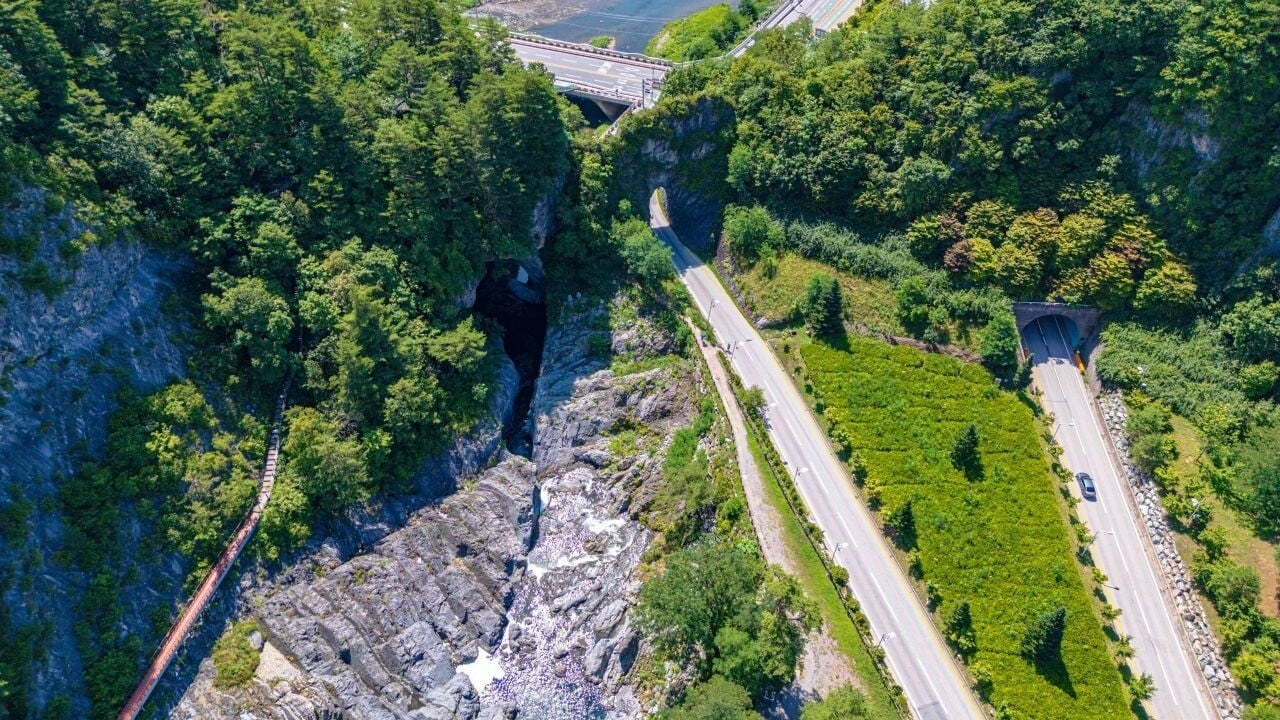
When a mountain blocks a river, you expect the water to go around. In Taebaek, a scene challenges that assumption: a river cuts through limestone and emerges beneath a rocky opening at Gumunso Gorge.
In the name Gumunso, ‘gumu’ refers to a hole or cave and ‘so’ to a deep pool. The landscape lives up to its name. It also holds traces of a sea from about 500 million years ago and a story about two battling dragons.
The stop itself is small and easy to explore briefly, yet its geology and folklore reach across a far longer stretch of time.
The River That Went Through the Mountain
Near the meeting of Hwangji Stream and Cheoram Stream, water gradually wore away the limestone and enlarged a natural cave. A broad opening formed in the rock, leaving the river to pass beneath it. The waterway was also called Tturunae.
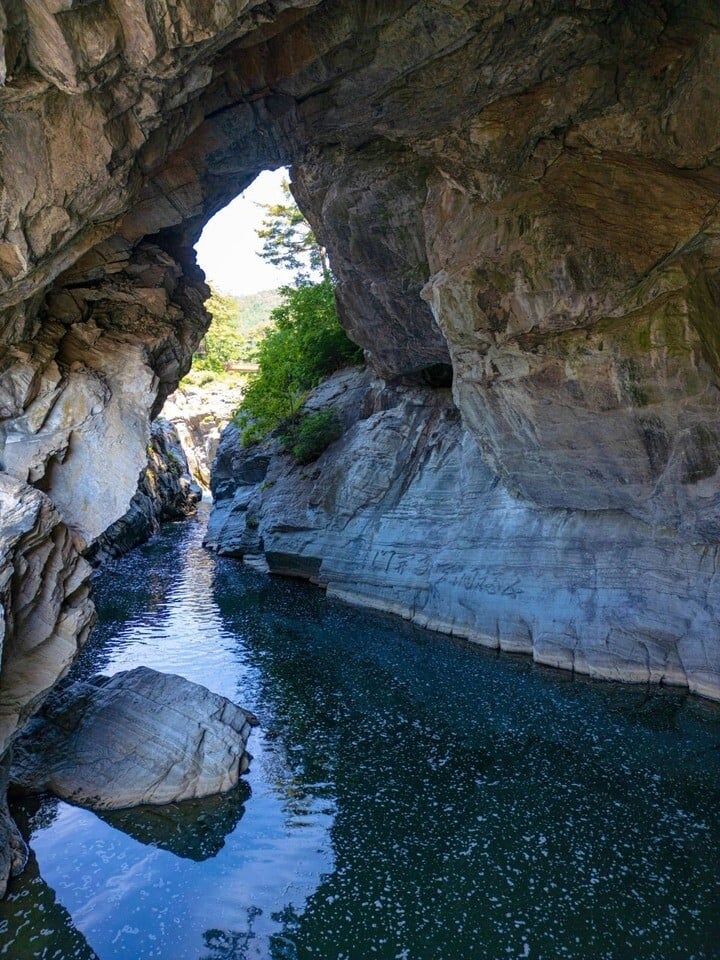
The opening in front of you was not made by one sudden collapse. It is the result of a long exchange between water and stone. Knowing that a moving river slowly changed the mountain makes the view more striking.
A Record of a Sea 500 Million Years Ago
Early Paleozoic rock layers run through the Gumunso area. Fossils and sedimentary structures found in the limestone show that the land now surrounded by Taebaek’s mountains was once shaped by a marine environment.
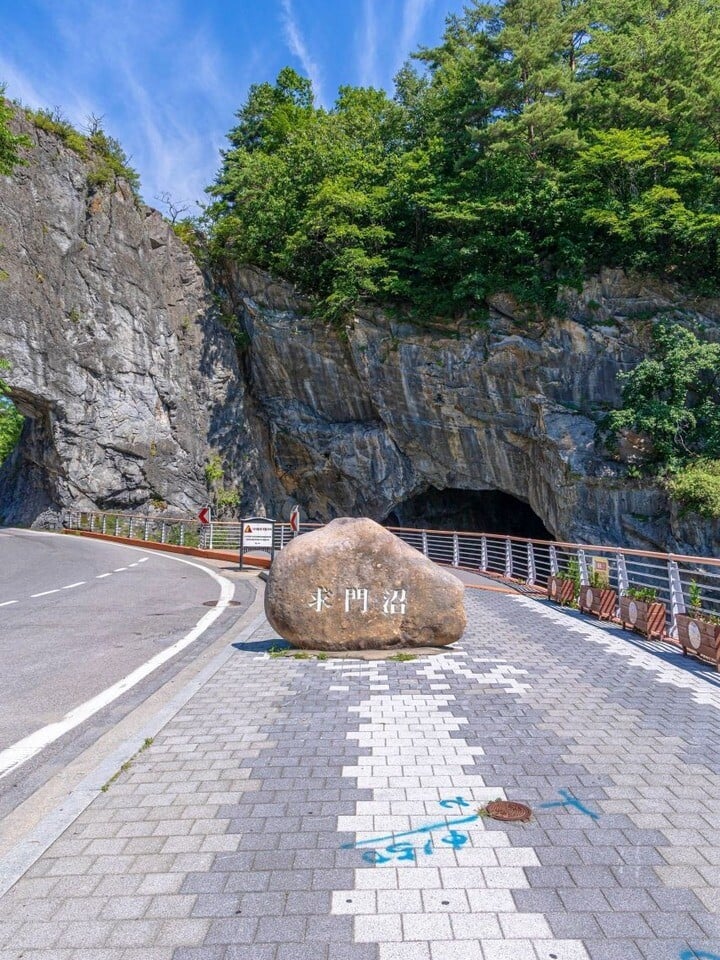
The area is protected as a Natural Monument for more than the unusual shape of its rock opening. Its layers preserve a valuable, readable record of the Korean Peninsula’s ancient geology.
Two Dragons in the Space Science Could Not Fill
People also gave the deep pool and difficult-to-explain opening a story. A legend tells of a blue dragon and a white dragon fighting at Gumunso. It imagines the waterways of Taebaek—leading toward the Nakdong River on one side and the Han River on the other—through the power of those dragons.
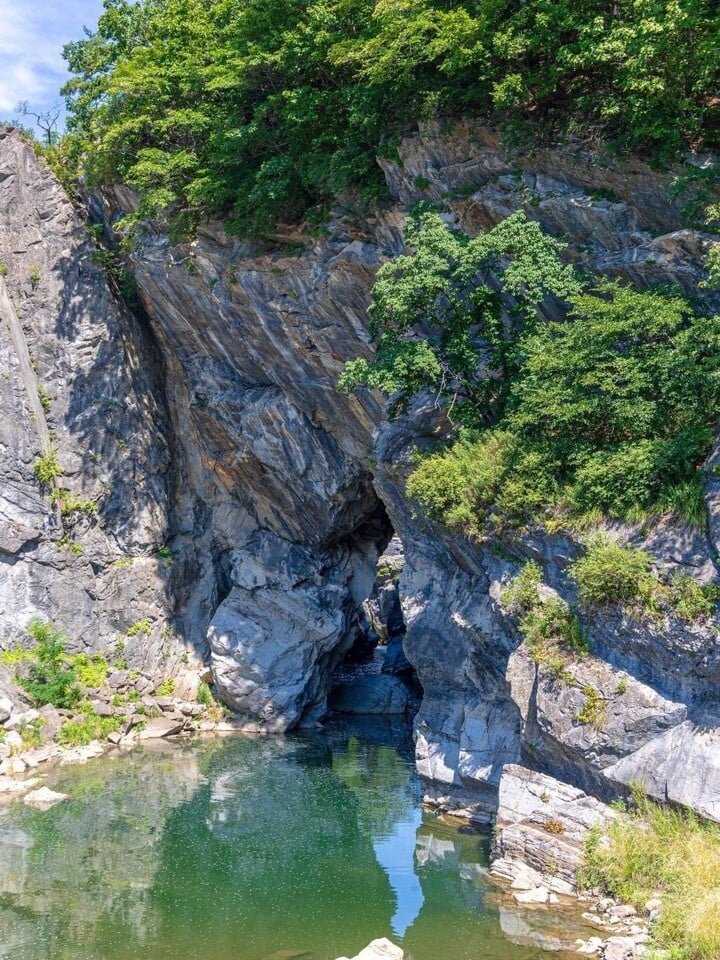
Geology explains how the water shaped the rock; folklore shows how people understood the sight. Seen together, they make Gumunso a richer place to visit.
Reading Ancient Time on a Short Walk
First, look at where the water enters and leaves the opening. Then study the rock layers and surfaces. Finally, recall the two dragons. The same scene can be read as a natural process, a geological record and a piece of living culture.
Practical Details Before You Go
A visit need not take long, but weather and water levels can change conditions around the rocks. For parking, admission and an estimated visit time, see our practical Gumunso guide.
Official Information
You May Also Like
by Google Adsense