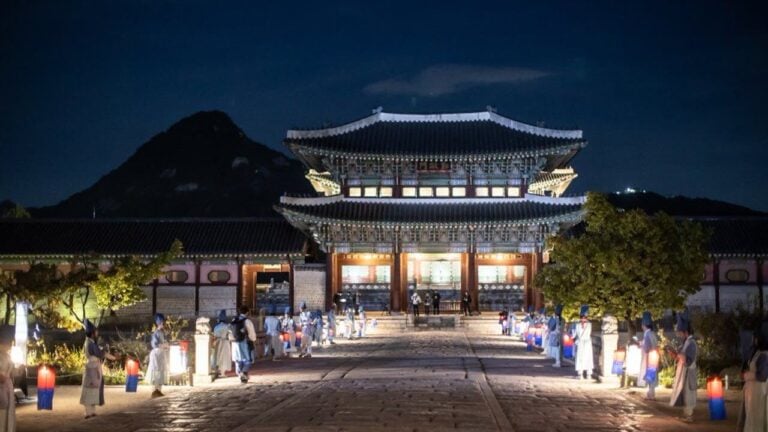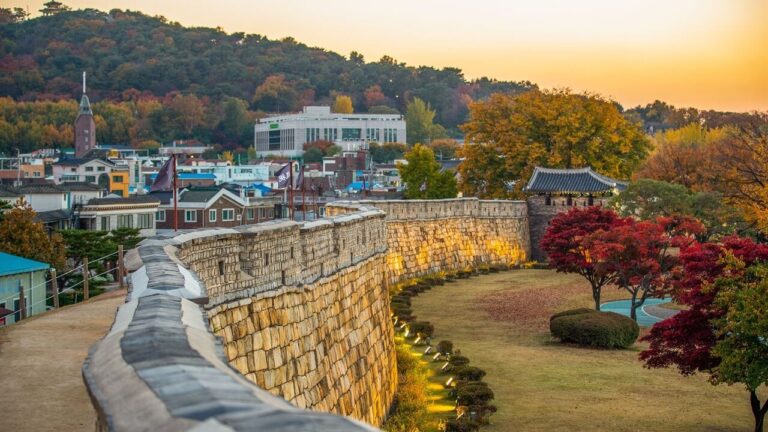
Turn a Corner, Enter Another Era: Gunsan’s Streets Become an Autumn Festival
The 14th Gunsan Time Travel Festival: historic architecture, neighborhood performances and four days in the old port city
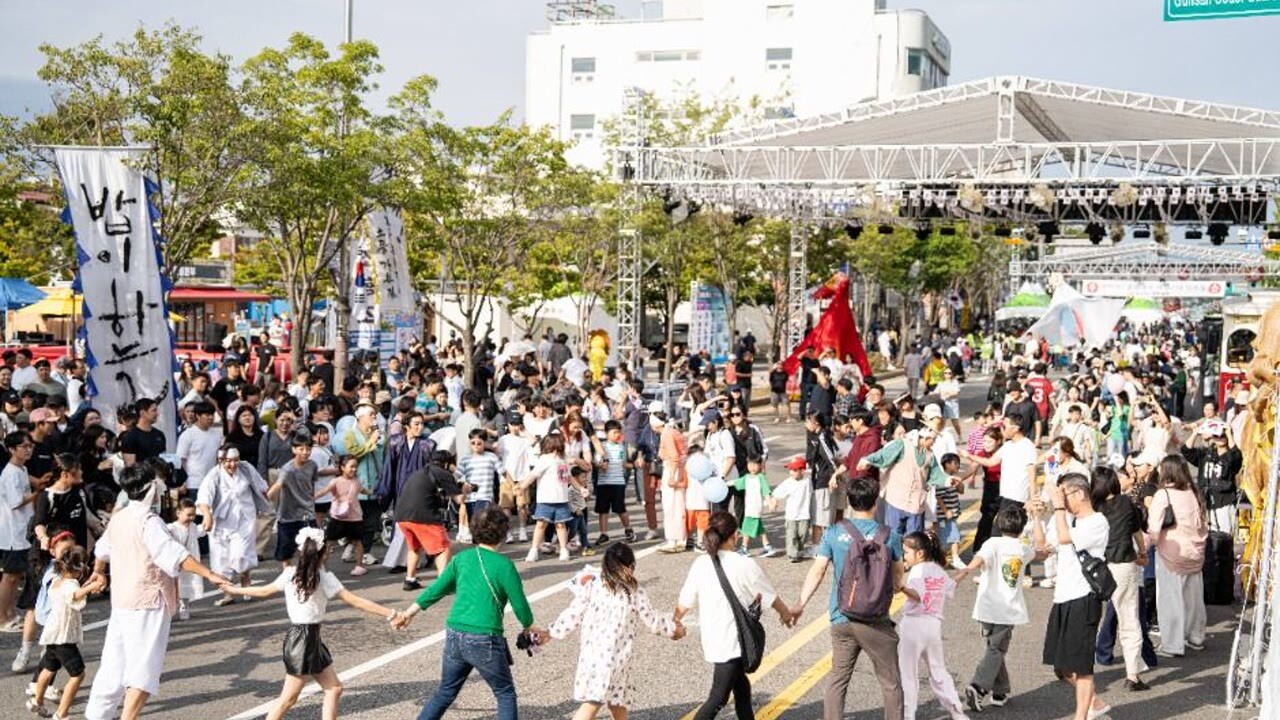
As the sun lowers, streets in Gunsan’s old downtown turn into stages. People in period dress pass weathered brick buildings and old shops, while performances and games take over roads usually given to cars.
The 14th Gunsan Time Travel Festival runs from October 2 to 5, 2026, around the former City Hall Square and Time Travel Village. It brings the port city’s modern history back into view through its lanes, buildings and the people moving among them.
The name might suggest little more than dressing up for photographs. But the story begins in a real city shaped by the March 5 independence movement, with its harbor, warehouses and old customs house still part of the landscape.
Gunsan’s particular sense of time emerges by following its streets and buildings, rather than trying to see every stage and activity.
A Festival That Spreads from the Square into the Lanes
The main festival area at the former City Hall Square hosts the opening ceremony and performances. In the evening, lights, flash mobs and concerts give the festival its central gathering place.
Step away from the square and the mood changes. Street performances and period-costume rentals in the play area, hands-on activities in the market area, and missions in the connecting area draw visitors into different corners of the neighborhood.
Instead of asking everyone to face one enormous stage, the festival lets several lanes share the action. Walking through the district becomes a way of taking in the program.
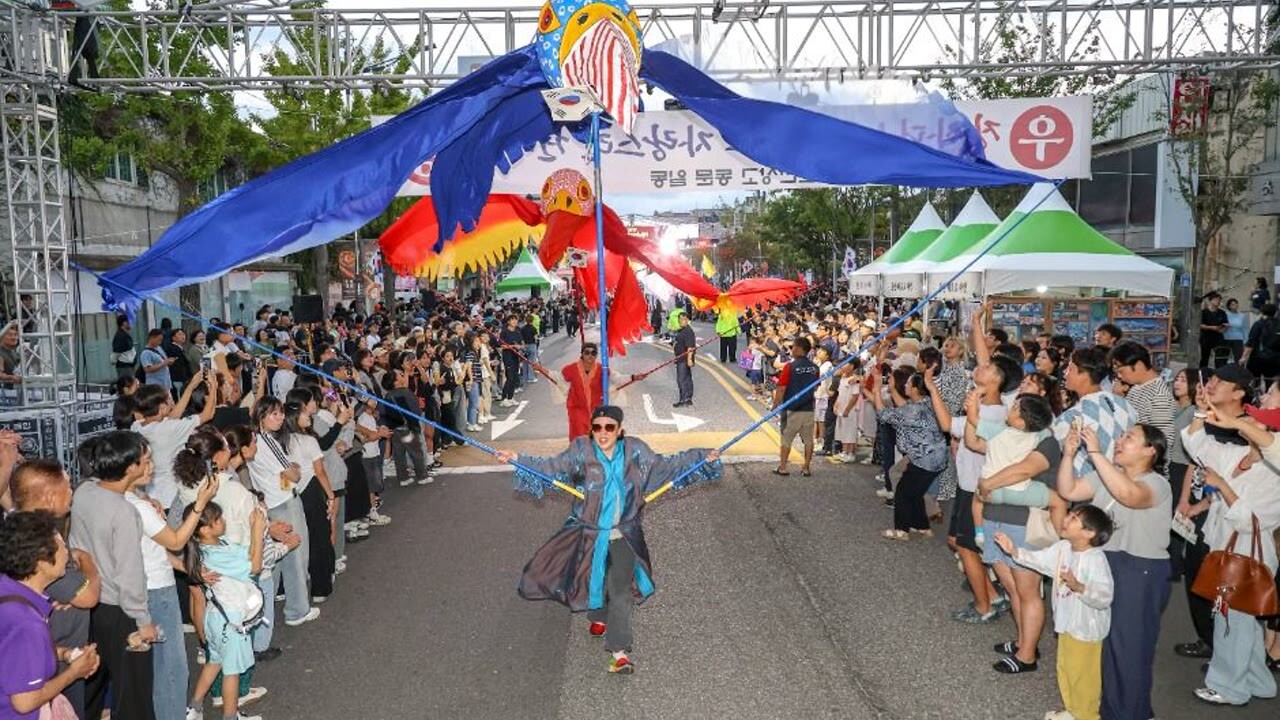
At 3:05 p.m., History Returns to the Street
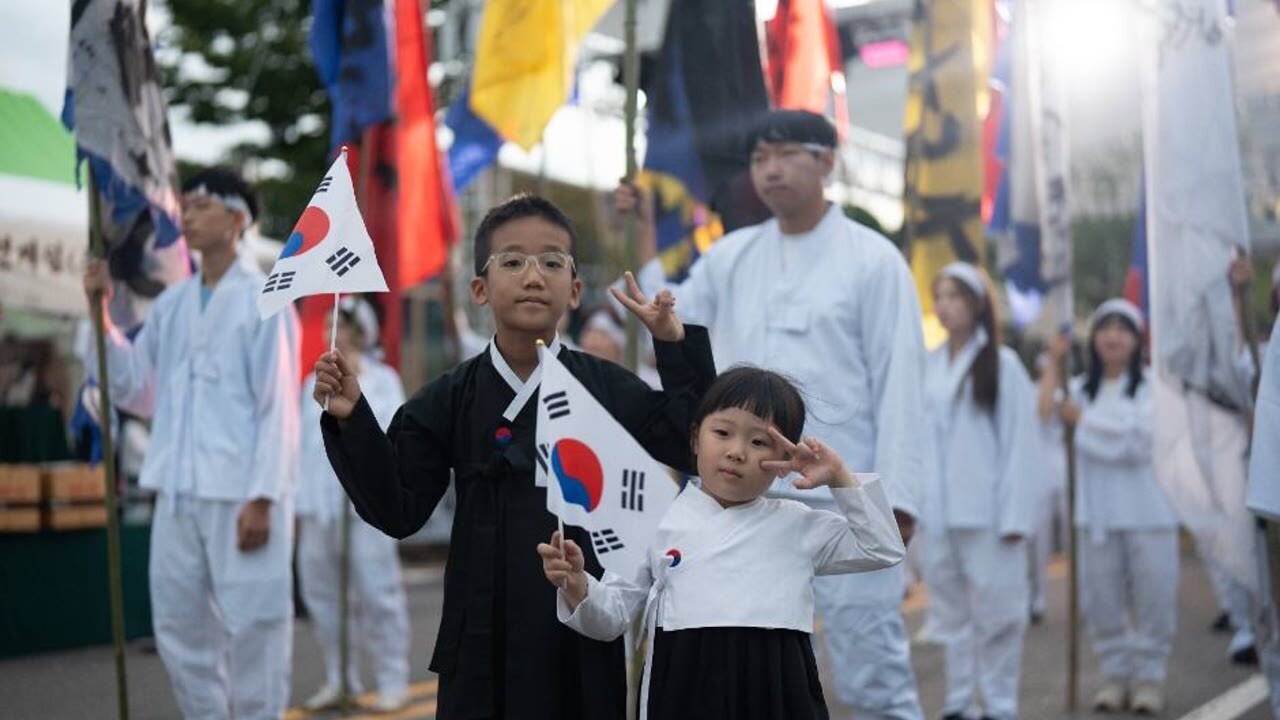
On the afternoon of October 3, a collective commemoration of the March 5 independence movement brings people into the streets. Around 3:05 p.m., participants march and raise cries of manse, recalling the calls for Korean independence.
Gunsan’s March 5 movement was an important moment in the independence demonstrations that spread through the Honam region in 1919. Here, that history is expressed through people walking and calling out together, not only through explanatory panels.
The reenactment carries weight because the surrounding streets still hold traces of that period. The port, customs house, Japanese-style homes and warehouses reveal both the city’s prosperity and the exploitation it experienced under colonial rule.
Period Dress Brings the Buildings into Focus
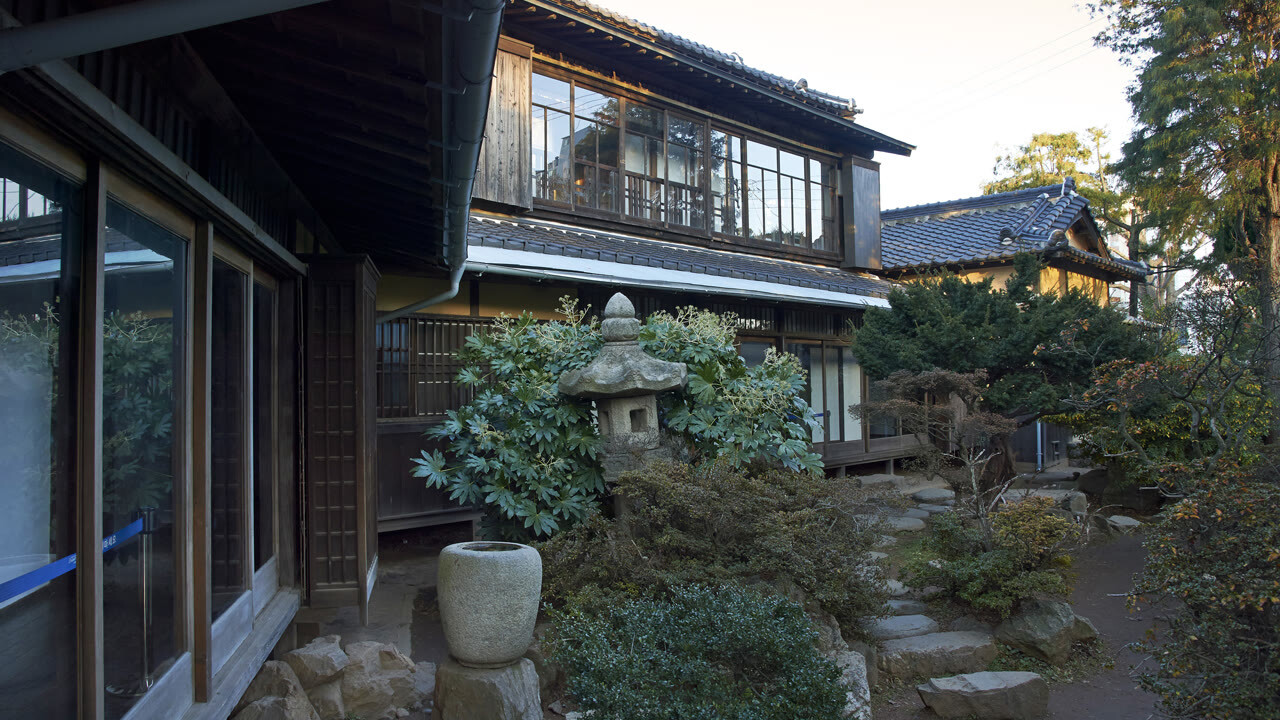
After choosing an outfit at the period-costume rental area, visitors can continue into the surrounding streets. At Chowon Photo Studio, the Japanese-style house in Sinheung-dong and the old Gunsan Customs House, clothing and architecture bring the period into sharper focus within a photograph.
This journey through time does not depend on a newly built set. With the real city as its backdrop, alley corners, window frames, red brick walls and shop signs all become part of the scene.
The history behind those buildings deserves attention even while taking pictures. Behind the attractive facades lie contrasting stories: the changes that followed the opening of the port and the exploitation of the Japanese colonial period.
For Children, the Streets Become a Map of Clues
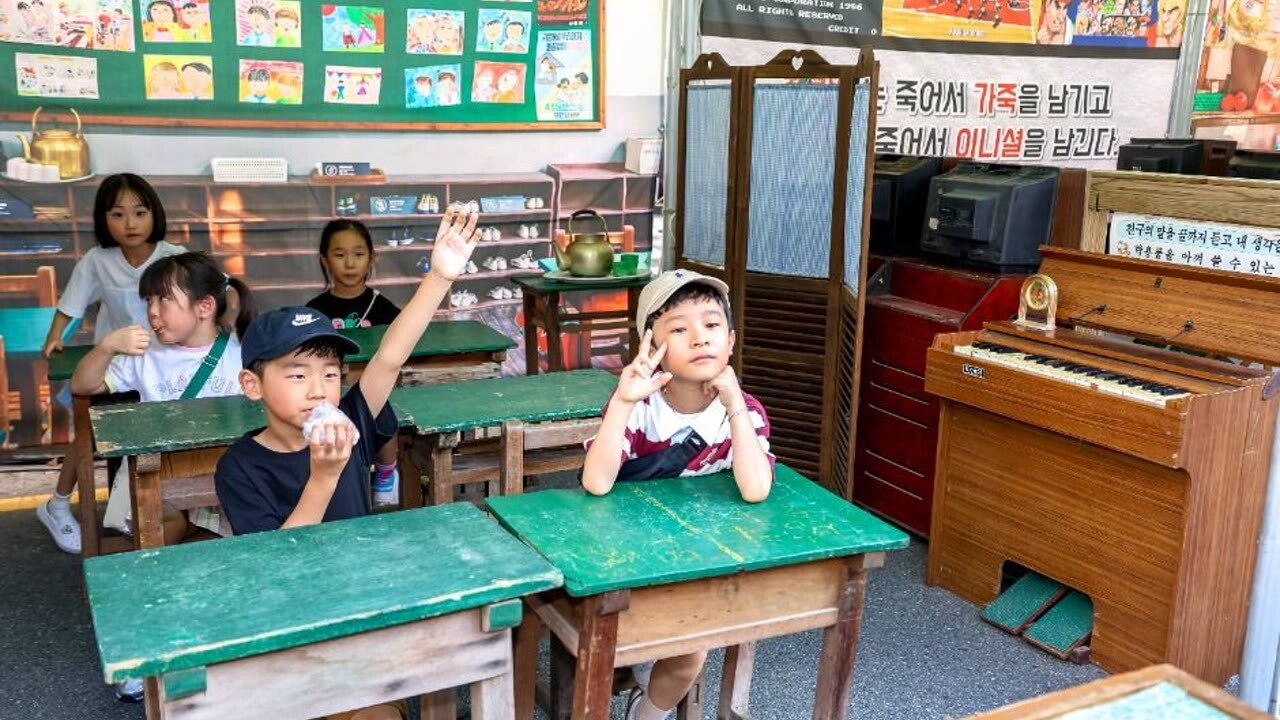
A mystery activity built around a secret message from the former food administration asks participants to find clues and decode messages. The Time Traveler’s Secret Passport likewise sends visitors around the festival grounds to complete tasks.
A woodland-themed adventure playground for children and a craft workshop also run throughout the festival. For children who find it hard to sit through long performances, moving around the streets with small goals to solve may be a better fit.
For adults, an old lane can hold memories; for children, it can become a map to the next clue. Different generations walk the same streets for different reasons, and that is part of the festival’s character.
Following the Port City into the Night
As night deepens, concerts at the main stage and street performances pick up the pace. Those who spent the day following architecture and history gather beneath the stage lights.
Gunsan does not keep its past inside a museum. By filling an old city with present-day music and community performances, the festival brings its memories onto today’s streets.
A route beginning at the Gunsan Modern History Museum, continuing past the old customs house and through downtown, then returning for an evening performance makes the contrast between day and night easy to experience.
A Separate Walk Through Gyeongam-dong Railroad Village
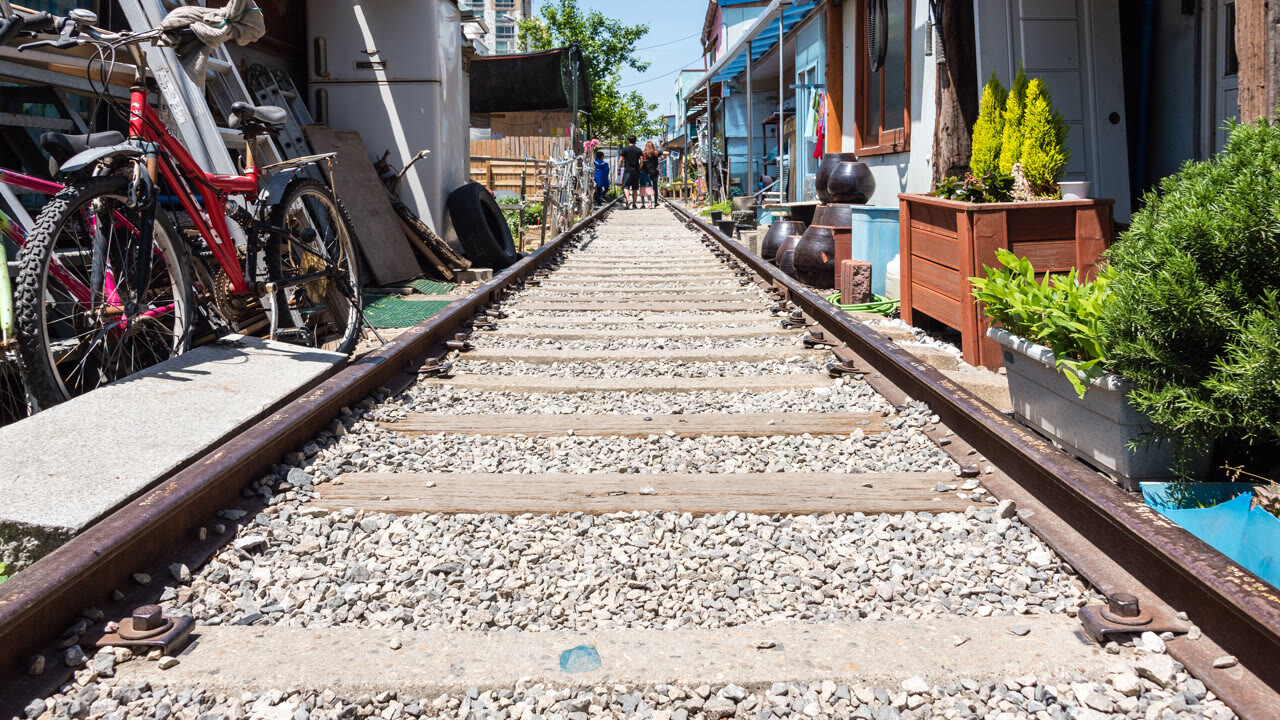
To see another side of Gunsan, set aside a separate visit to Gyeongam-dong Railroad Village. It is not the same venue as Time Travel Village, so plan to travel there by car or public transport after exploring the festival.
The tracks left between houses and the old lanes tell a different story of everyday life in Gunsan. They feel distinct from the civic architecture of the historic district. Allowing a separate half-day before or after the festival leaves room to explore without rushing.
A More Comfortable Start to the Gunsan Time Travel Festival
The festival spreads across several squares and lanes, while parking areas are scattered inside and outside downtown. Using an outlying car park and the free shuttle can make the opening moments of the visit less tiring than driving right up to the festival streets.
Time in Gunsan does not move in only one direction. The last century remains on the walls of historic buildings, while today’s residents dance and sing in the streets in front of them.
What the festival creates is less a replica of the past than a meeting of different times. That is reason enough to spend an autumn day slowly linking one Gunsan lane to the next.
Official Visitor Information
Festival dates checked against the official schedule on September 12, 2026. Programs and admission conditions may change; check the organizer’s latest notices before visiting.
You May Also Like
by Google Adsense