Hajodae Observatory: Where an Old Pine Clings to the Sea Cliff
Yangyang's Hajodae links the names of Ha Ryun and Jo Jun with a pavilion, rocky shore and coastal walk.
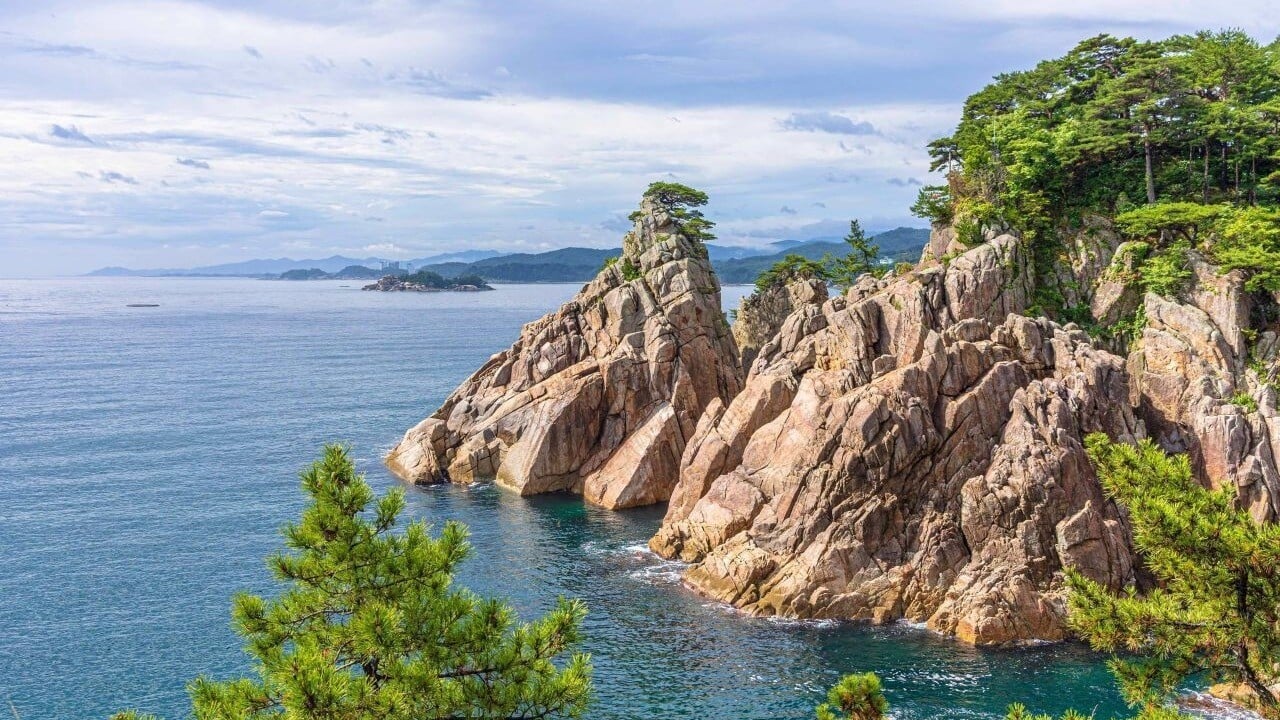
Some stretches of Yangyang’s coast ask for more than a quick look at the sea. Climb toward the pavilion and an old pine, dark rock, a white lighthouse and the horizon enter the view from different directions.
Hajodae Observatory is more than a good coastal viewpoint. Its name recalls two men who helped found the Joseon dynasty. A pine rooted at the cliff edge, a rebuilt pavilion and an unmanned lighthouse each hold a different piece of the place’s history.
What might seem like a short detour from the beach can leave a longer story in your mind.
How Ha Ryun and Jo Jun Became a Place Name
According to the story passed down about Hajodae, its name joins the surnames of Ha Ryun and Jo Jun, who are said to have spent time here. The name comes from remembered people rather than a direction or a landform; their story has become part of the coast itself.
The pavilion was lost during the Korean War and rebuilt afterward. Yangyang County dates that post-war building to 1955, while the Korea Tourism Organization’s English guide describes today’s pavilion as a 1998 restoration. Both accounts point to the layers of rebuilding behind the small structure facing the sea.
A Pine Holding On Above the Water
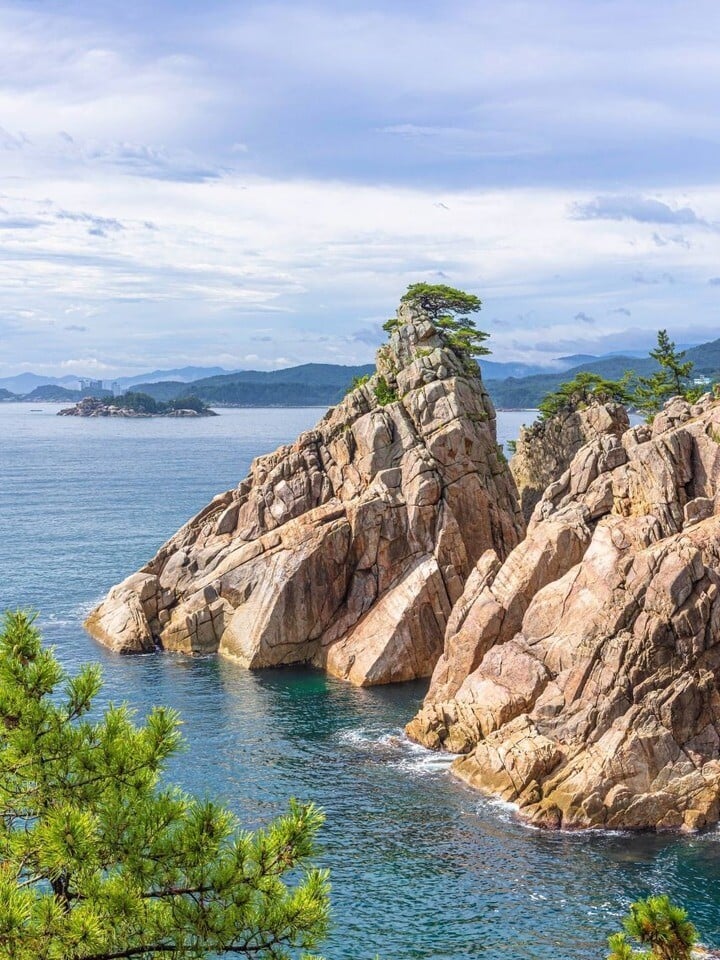
The old pine and the rocks near the pavilion form Hajodae’s defining scene. More than 200 years old, the tree has rooted itself on the cliff, its trunk and branches shaped by years of wind off the East Sea.
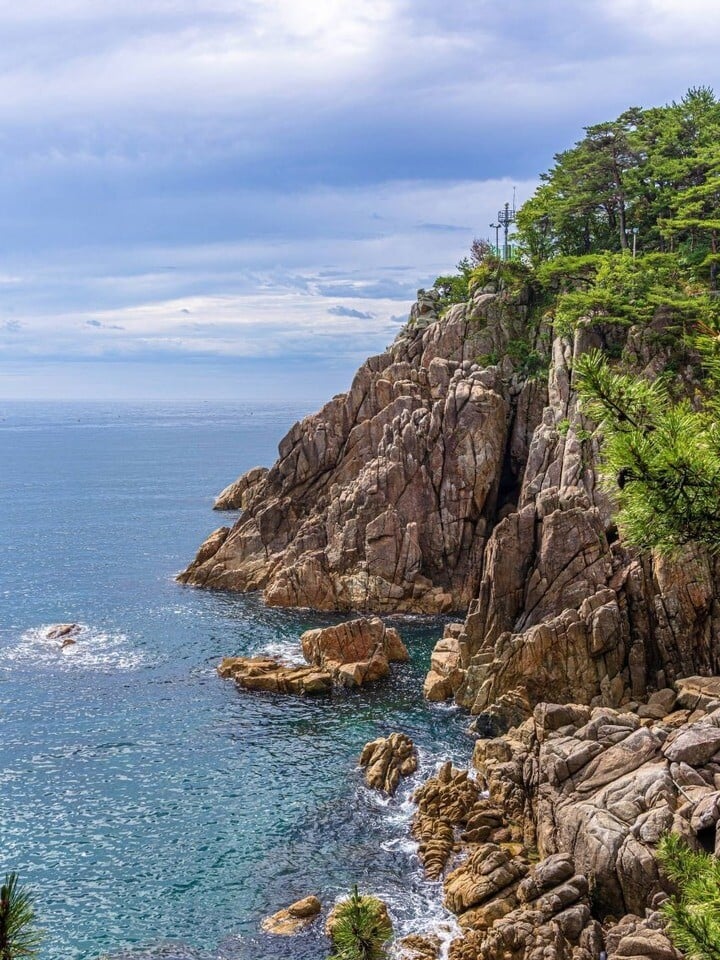
The area was designated a national Scenic Site in 2009 for the coastal landscape as a whole: rock, pine, pavilion and sea belong in the same view.
The Pavilion and Lighthouse See Different Seas
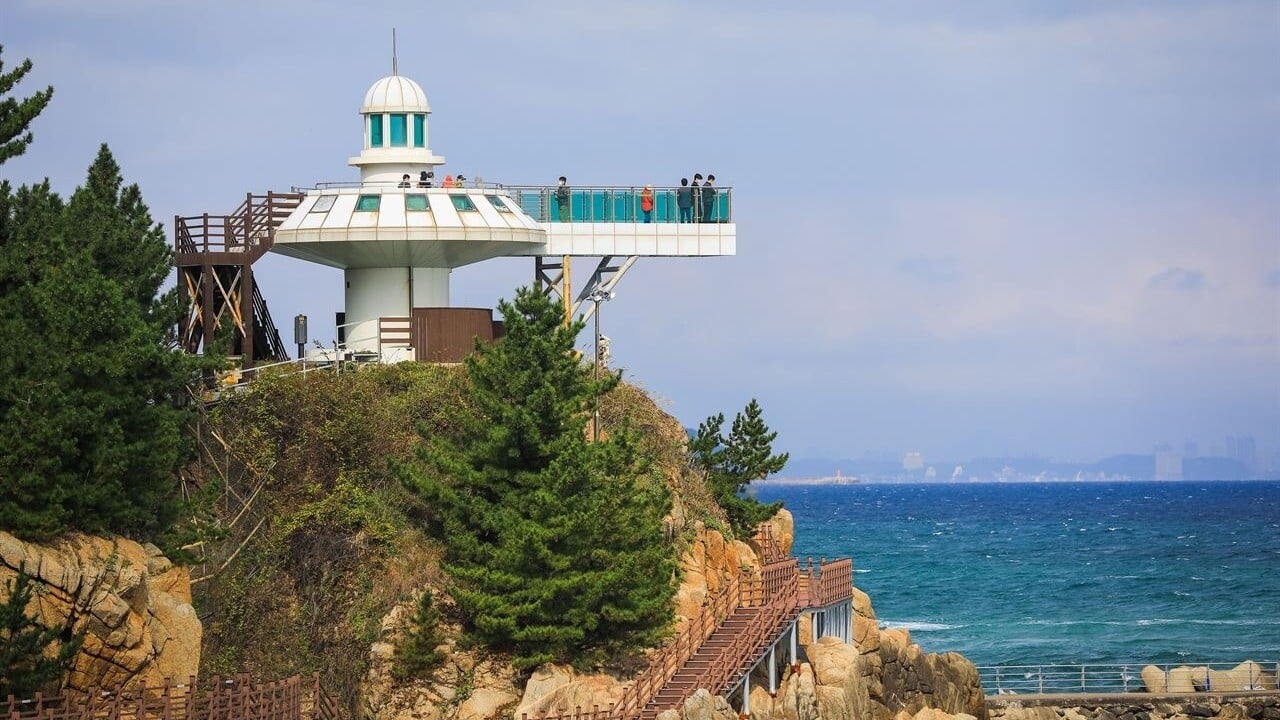
The pavilion suggests an older way of looking out over the water. Gisaemun Lighthouse, first lit in 1962, belongs to a practical history of navigation. The white unmanned lighthouse stands on natural rock and opens another angle on the shoreline.
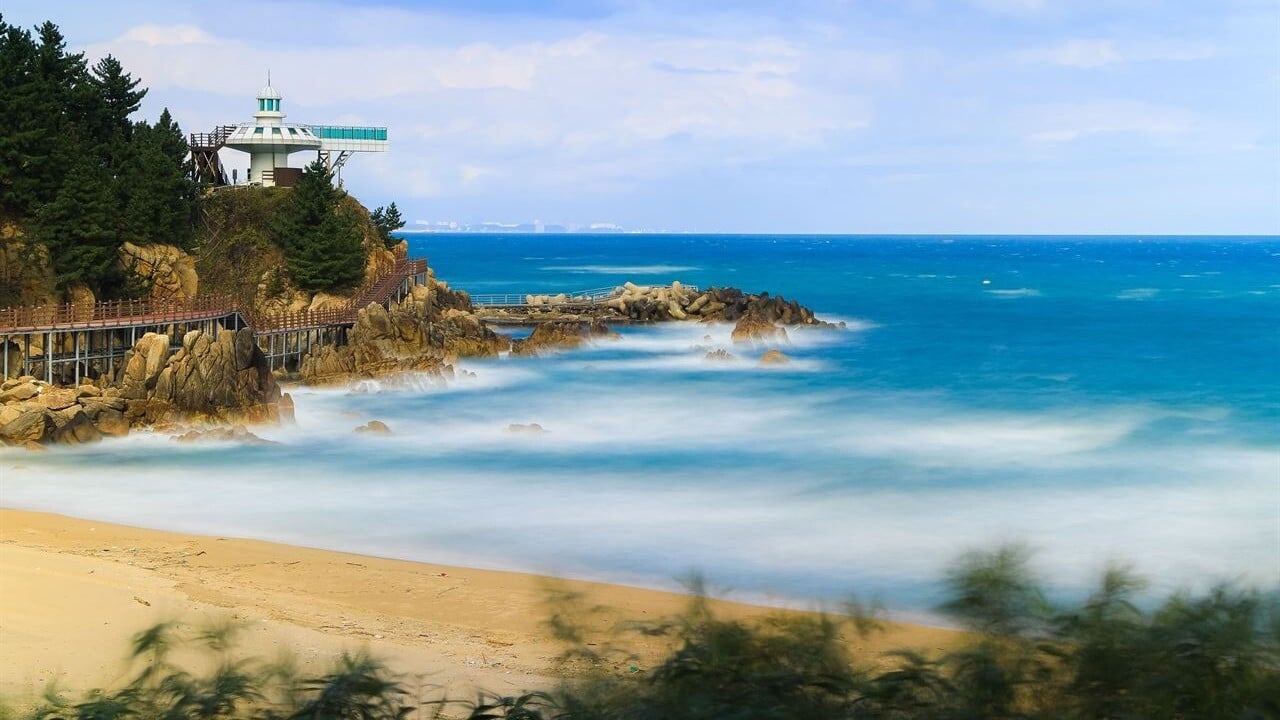
The walk between the two is short, but the view changes several times. Among the trees, you hear the waves before you see them; at an opening in the path, the East Sea spreads out again.
The Sandy Shore Changes the View
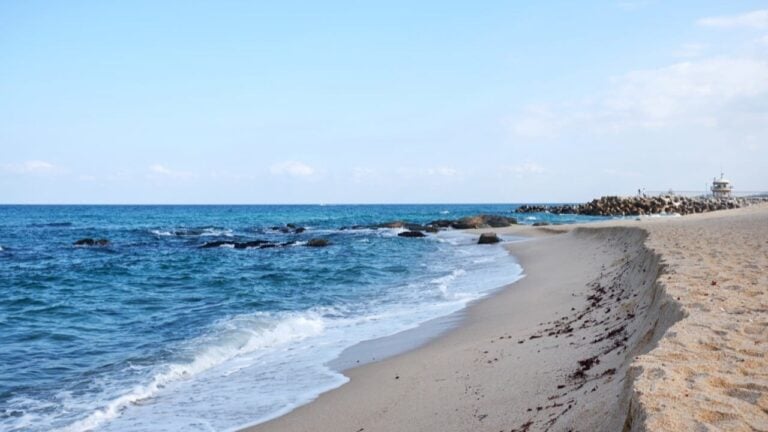
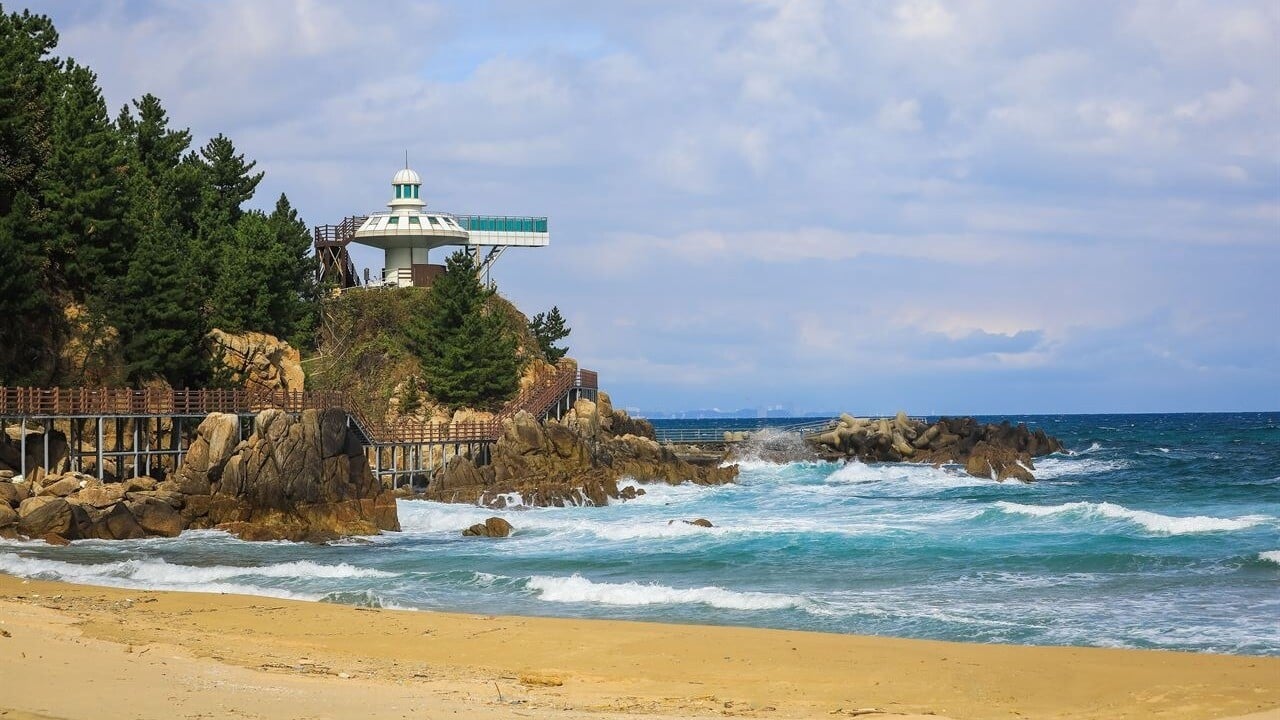
Hajodae Beach has a broad, pale strip of sand, unlike the rocky scenic point. From one side you look down at the waves from a cliff; from the other you meet the same sea at shore level. That contrast gives a short coastal route more than one mood.
Before You Set Out
Access to the trail changes with the season and coastal weather. For the order of the pavilion, lighthouse and beach—and where to park for each—see our Hajodae Beach and observatory visitor guide.
Official Information
You May Also Like
by Google Adsense