“You Came for the Maples?”… Sixteen Gardens Change With the Seasons
Hwadam Forest in Gwangju, Gyeonggi-do, offers themed gardens beyond autumn foliage.
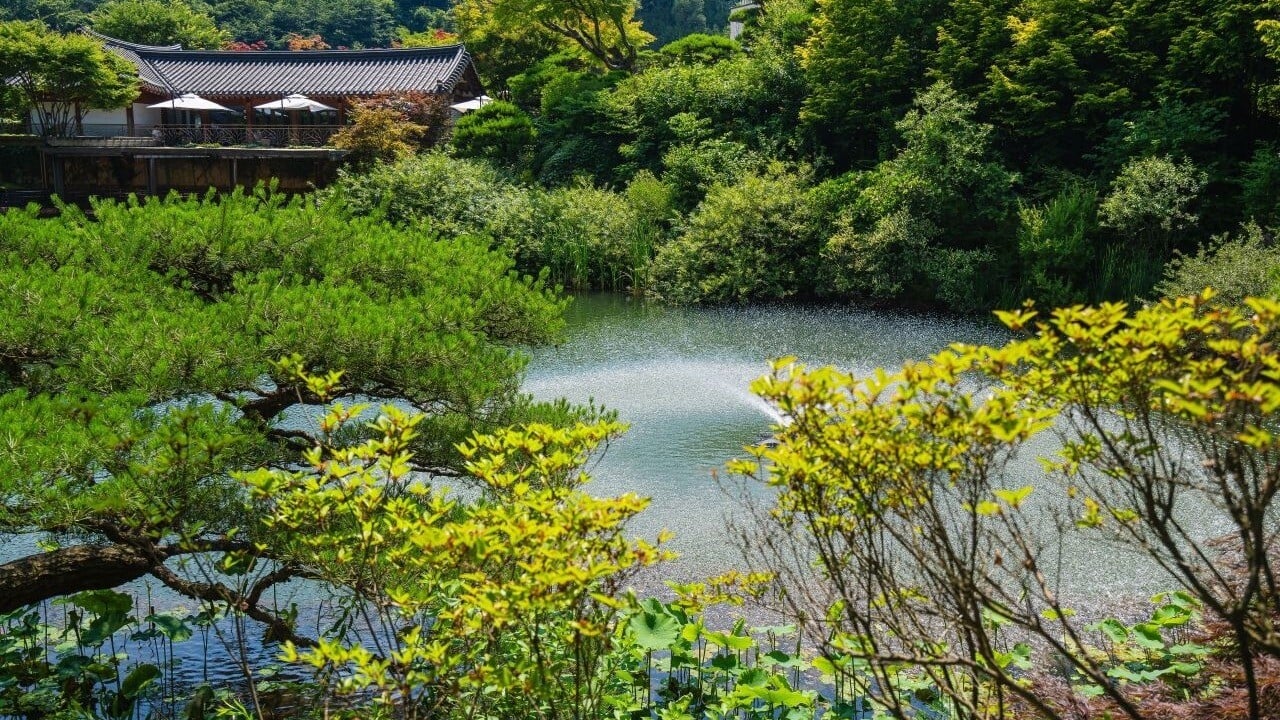
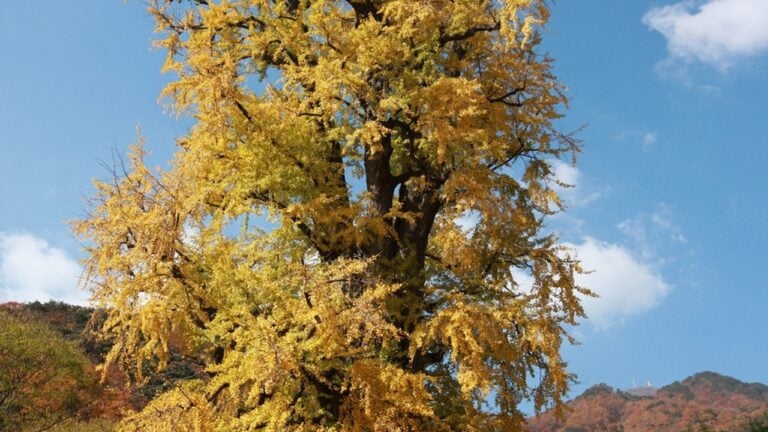
Autumn is probably the first season that comes to mind when you think of Hwadam Forest. Photographs of maples covering the hillside and the monorail have made that image familiar. Yet the foliage tells only part of the story.
Within roughly 165,000 square meters of forest are 16 themed gardens and about 4,000 kinds of plants from Korea and abroad. They follow the valleys and ridges. Rather than presenting one dramatic scene, different parts of the garden come forward as the seasons change.
That is why Hwadam Forest feels less like a single fall-foliage stop and more like a forest that translates the seasons.
A Garden That Follows the Mountain
Opened in 2013, Hwadam Forest was designed around the existing terrain and vegetation. Water follows the valley, while gently graded boardwalks wrap around the slope. The gardens seem to follow the grain of the forest rather than replace it.
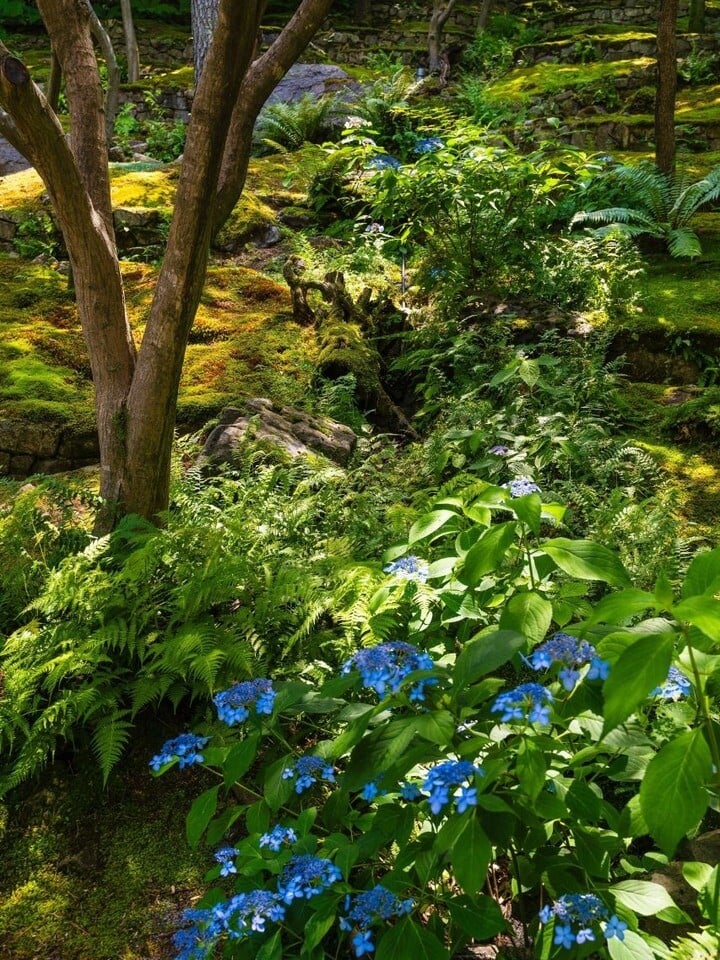
The paths are carefully kept, but the eye keeps wandering beyond them: a reflection beside the water, the pattern of bark, a flower that appears in a different place with each season. Each detail opens the next scene.
How Sixteen Gardens Divide the Seasons
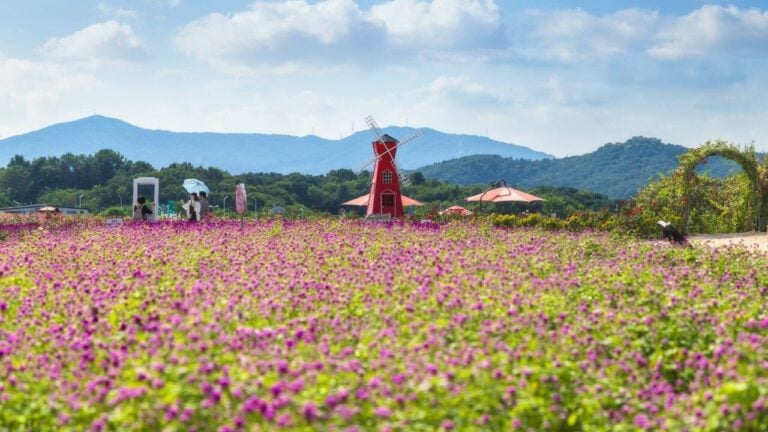
The moss garden, birch grove and hydrangea garden each have a character of their own. New shoots and flowers lead in spring, deep green leaves and hydrangeas in summer, and maples in autumn. No one season can stand in for the others.
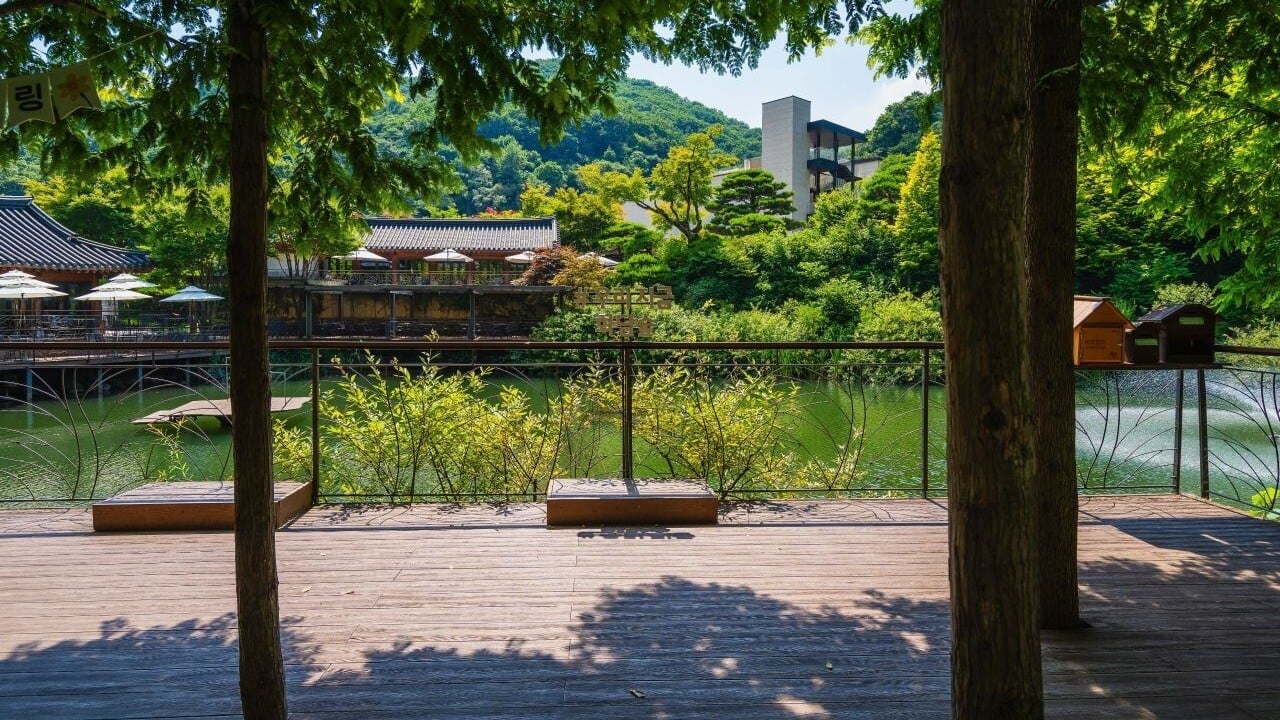
These spaces do not end abruptly like separate exhibition rooms. Their mood shifts along the stream and woodland paths. You often sense the transition from one garden to the next as you walk.
The Pace of a Walk Outlasts the Monorail Ride
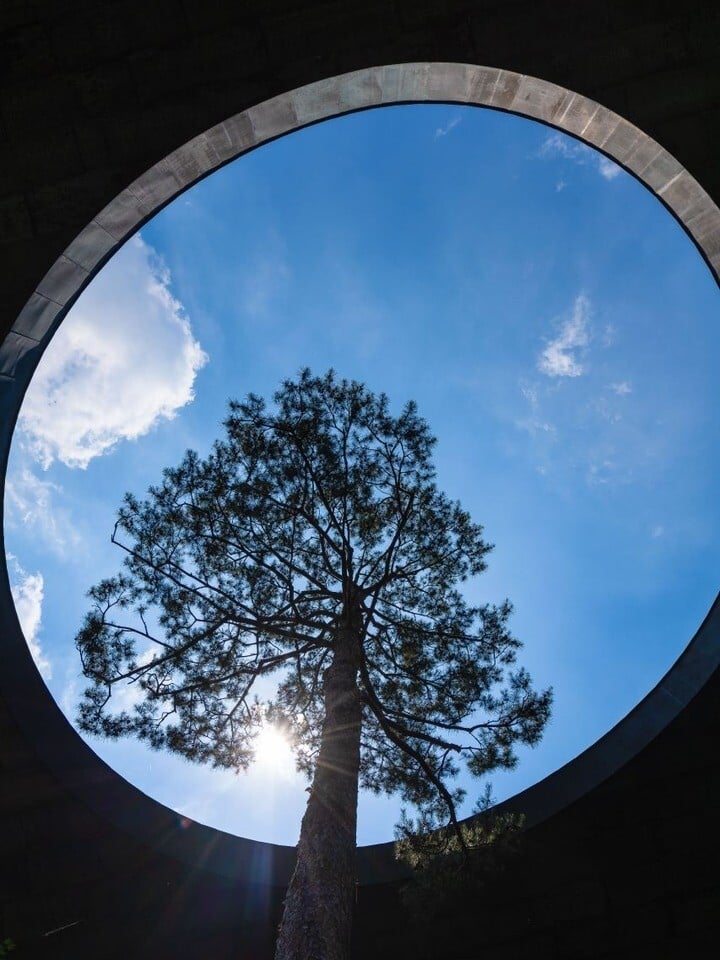
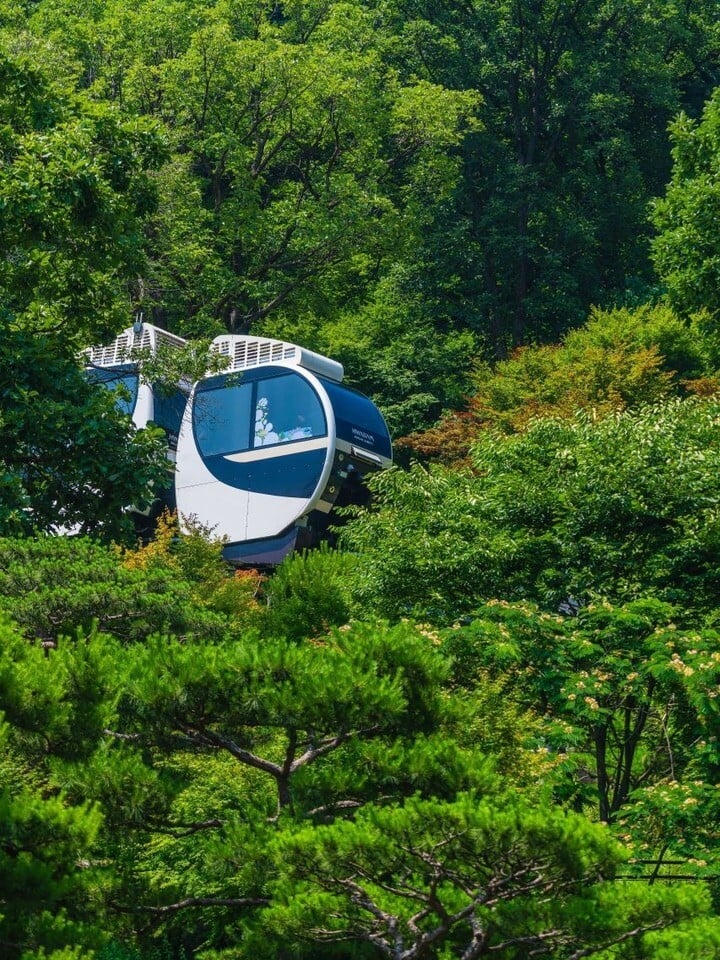
The monorail offers an easier climb and a view from above. But the boardwalk reveals more of Hwadam Forest’s smaller details. The gentle route was designed with strollers and wheelchairs in mind; allowing about two hours for the full walk is a sensible starting point.
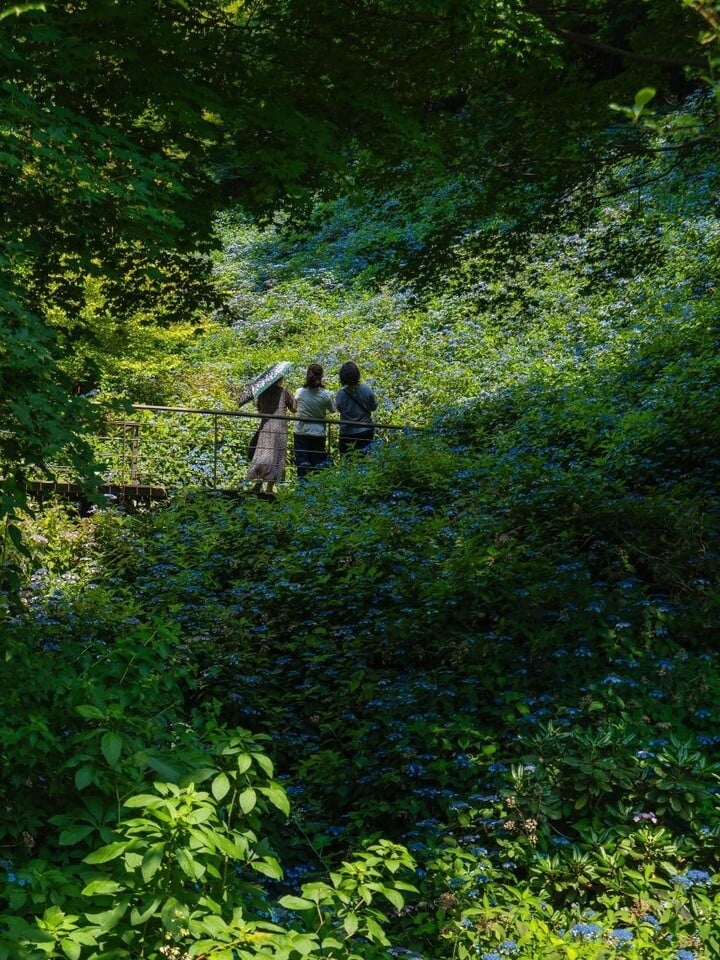
Slow down, and the order of the scenes may stay with you longer than the garden’s size: the sound of water, a stretch of shade, then a pause where the view opens up.
A Place for Research and Restoration
Hwadam Forest also works on ecological restoration and plant research. Its collection is meant to help visitors understand and conserve forest ecosystems, not simply to show off variety. With that in mind, even a small plant label can become part of the journey.
Start Your Visit With a Reservation
Hwadam Forest uses advance online reservations, and popular-season tickets can sell out quickly. Admission and monorail bookings follow different steps. For the practical details, see our reservation and monorail guide before visiting.
Official Information
You May Also Like
by Google Adsense