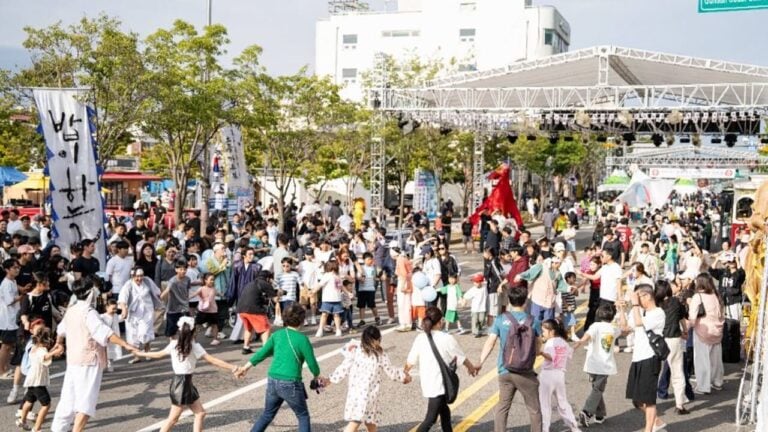
“There’s More Than Bamboo Here”… Eight Paths Lead Through a Southern Garden
Damyang Juknokwon combines eight themed bamboo paths with a hanok garden.
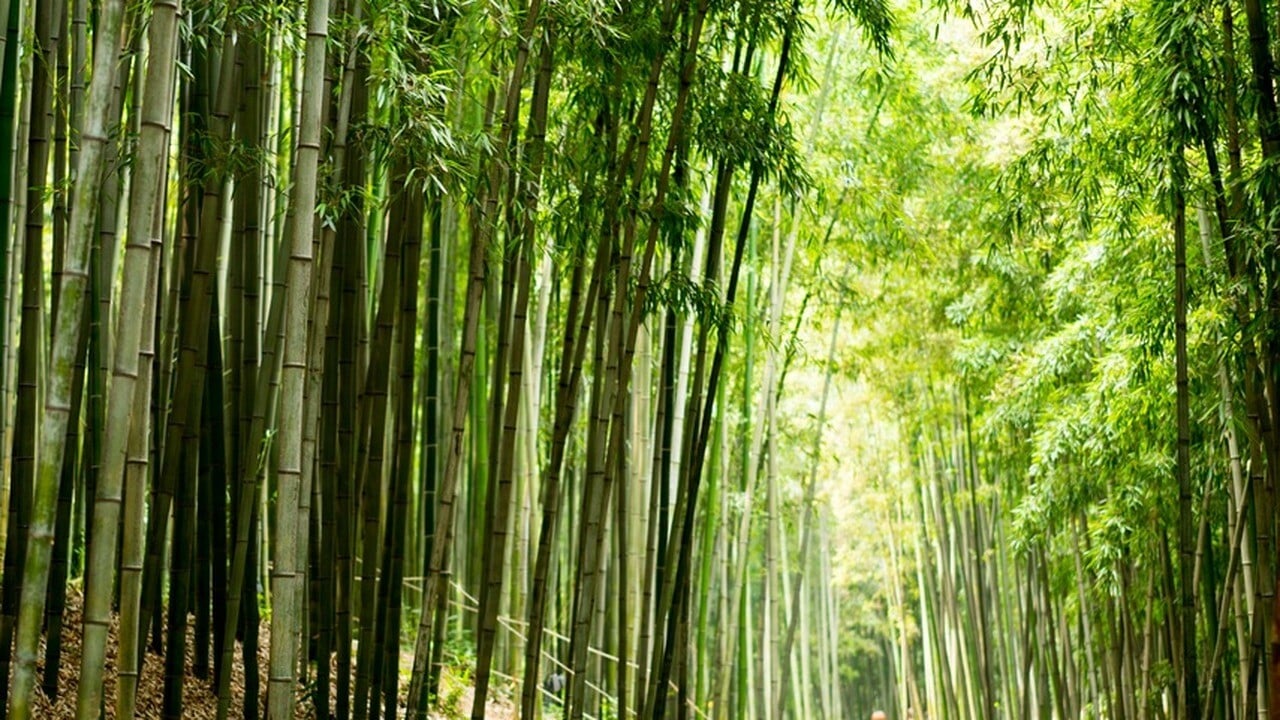
From a distance, a bamboo forest can seem simple: straight stems and repeating shades of green. Step inside Damyang’s Juknokwon bamboo forest, though, and each path has a name. The mood shifts with the direction you choose.
The garden covers roughly 310,000 square meters, with about 2.4 kilometers of walking paths. Eight themed routes tell different stories through the grove. It is as much a place to walk among rest stops, hanok and Damyang culture as it is a place to look at bamboo.
Once you begin to notice differences within all that green, Juknokwon becomes a place to linger rather than a backdrop for one photograph.
Eight Ways to Walk Through the Same Grove
Juknokwon’s eight paths carry names with their own meanings, including routes associated with good fortune and longtime friendship. At a fork, choosing a name gives the day’s walk a small theme as well as a direction.
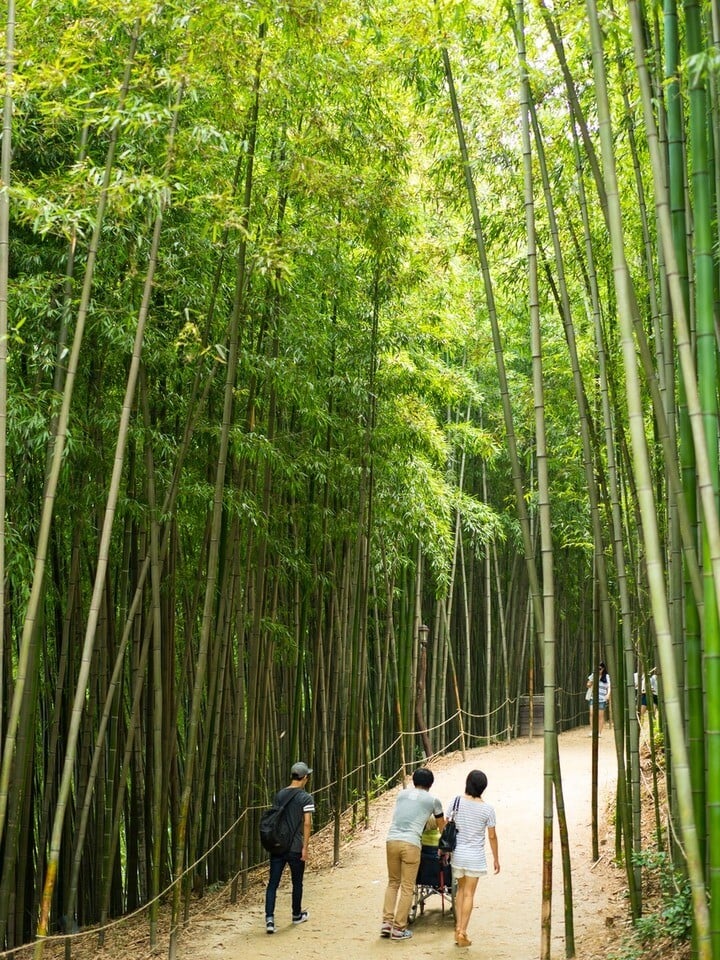
Bamboo remains at the heart of every route. Yet gradients, bends and places to rest change how the light falls and how you move through the forest.
The Landscape the Wind Makes
In the grove, your ears may respond before your eyes. Wind passes through high leaves, stems brush together, and footsteps settle into the earth. Those sounds soften the noise of the city. On a breezy day, the forest feels even more distinct.
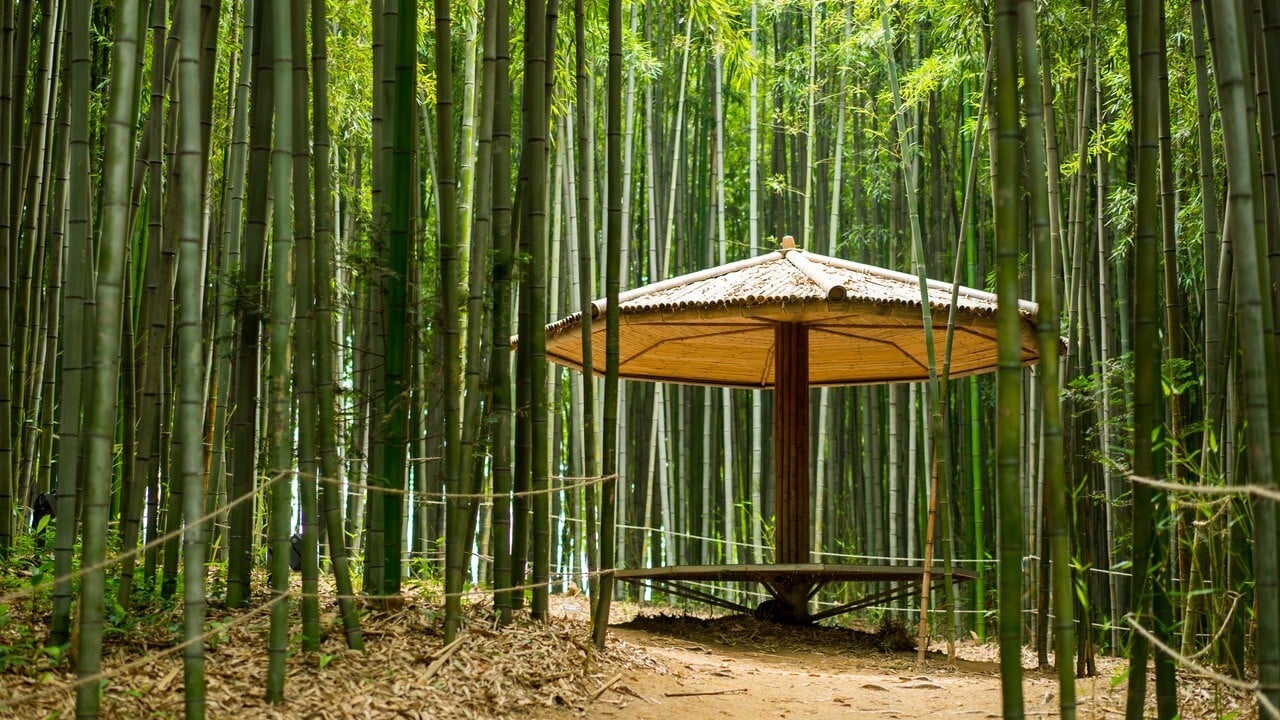
Light guides the walk, too. At midday, thin beams reach between the stems; under cloud, the whole grove takes on a softer green. It is a place that does not depend on one peak season.
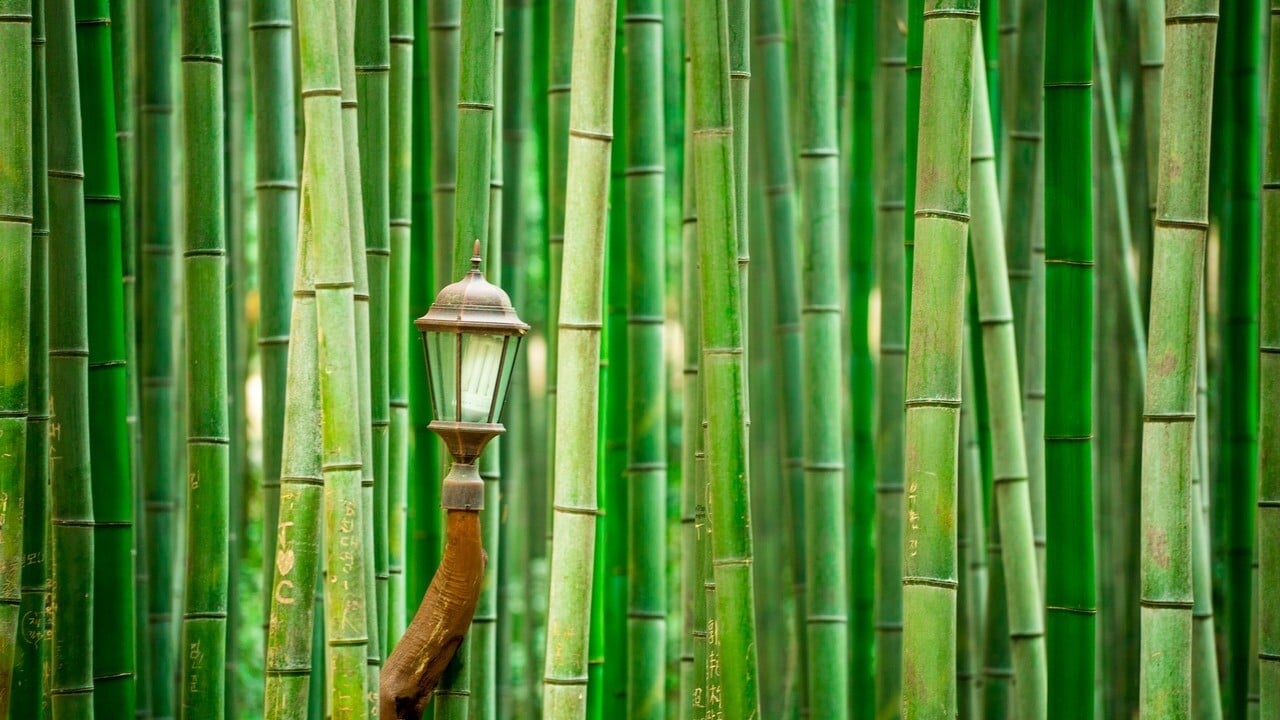
Hanok and Local Stories Beyond the Bamboo
Farther inside, Jukhyang Culture Experience Village and Siga Culture Village shift the scene from bamboo to hanok. Pavilions, courtyards and stories of Damyang’s people and poetry give the forest a local cultural setting.
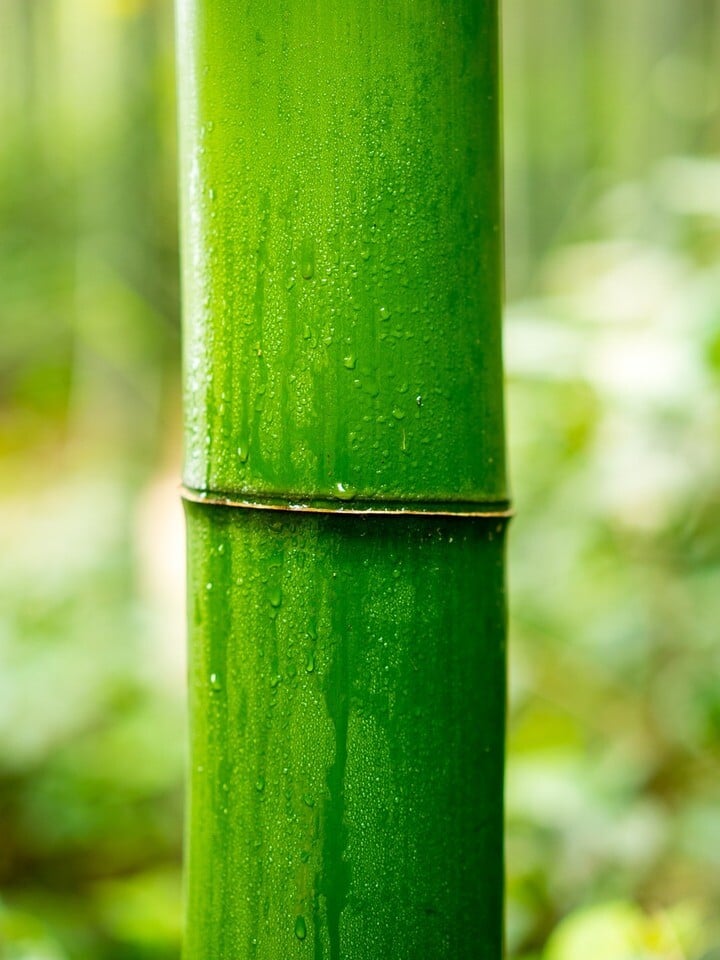
Take in this section as well, and Juknokwon becomes more than a place for a woodland stroll. Bamboo is a material, a landscape and a long-standing symbol of the region.
Why the Forest Rewards a Slower Walk
It is easy to hurry through a grove when every stretch looks similar. Pause, and the thickness, color and joints of the stems begin to differ. The 2.4-kilometer walk is less about seeing more sights than about looking longer at one landscape.
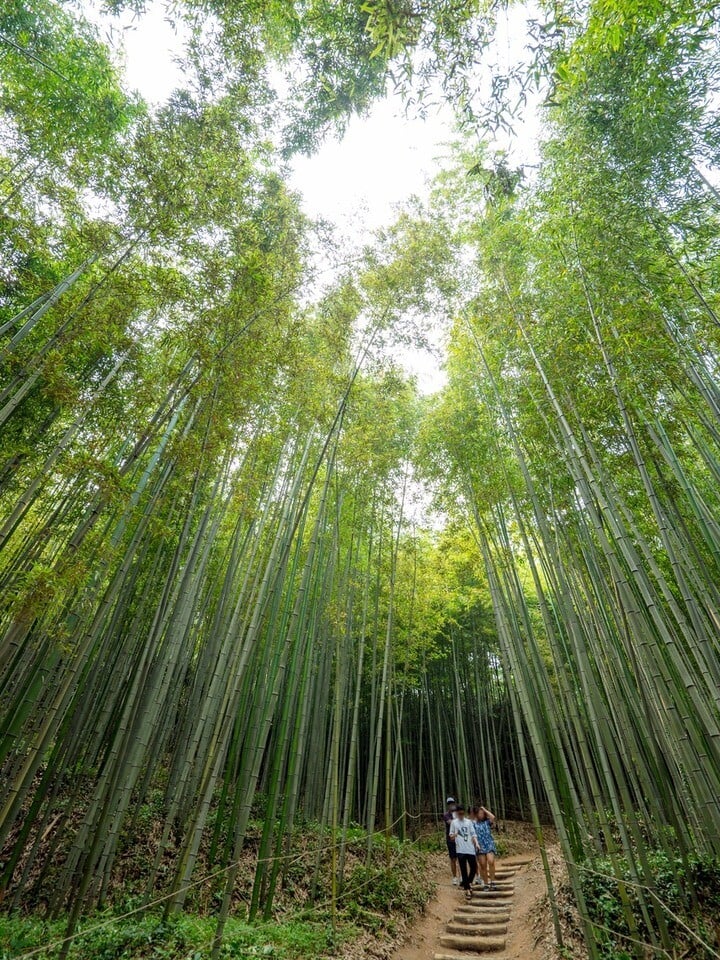
Leave Time for the Full Visit
Allow time for both the themed paths and the hanok area, rather than turning back near the entrance. For admission, hours and parking, see our practical Juknokwon guide.
Official Information
You May Also Like
by Google Adsense