When Seoul’s Palaces Begin to Tell Their Nighttime Stories: Five Autumn Days Across Four Palaces and Jongmyo
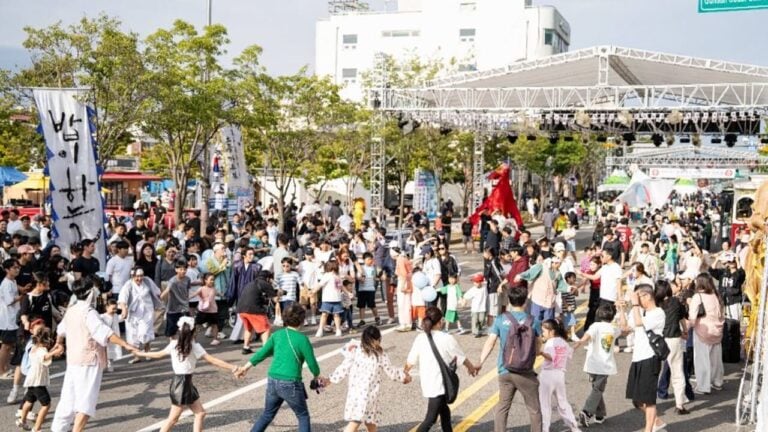
Seoul’s 2026 autumn K-Royal Culture Festival: daytime exhibitions and evening performances reveal different sides of the palaces
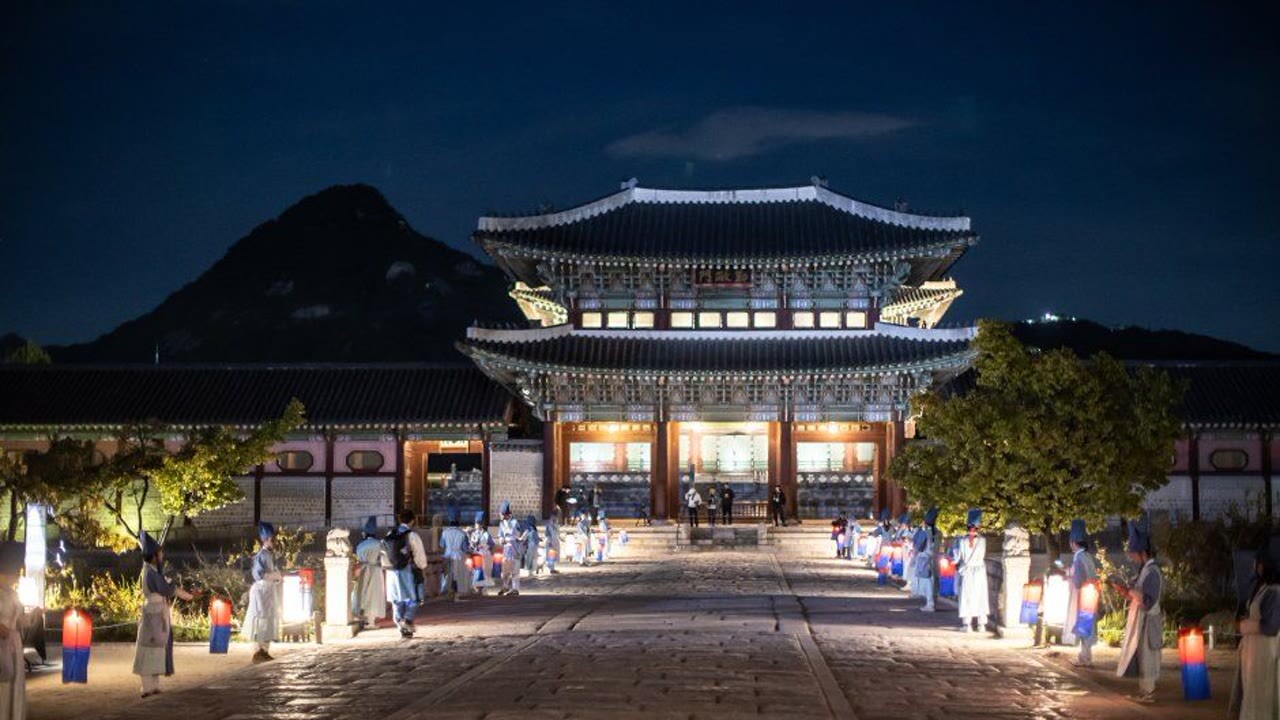
On an autumn evening, the folds of hanbok move beneath the eaves of Gyeongbokgung Palace. A procession of a king and queen appears between halls that were quiet by day, and an old courtyard becomes a stage.
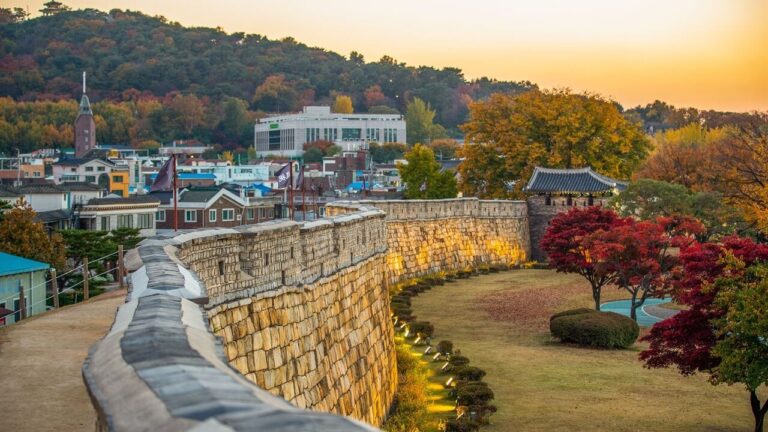
The autumn K-Royal Culture Festival connects Gyeongbokgung, Changdeokgung, Deoksugung and Changgyeonggung palaces with Jongmyo Shrine from October 7 to 11, 2026. It is one festival, but the five settings reveal different layers of time.
The spring edition drew around 725,000 visitors. Autumn gives the festival a different face, with exhibitions and history by day, and performances and media art after dark.
Which palace should come first? The answer may lie less in its most famous hall than in the time of day you want to experience.
Night Opens Gyeongbokgung’s Wider Stage
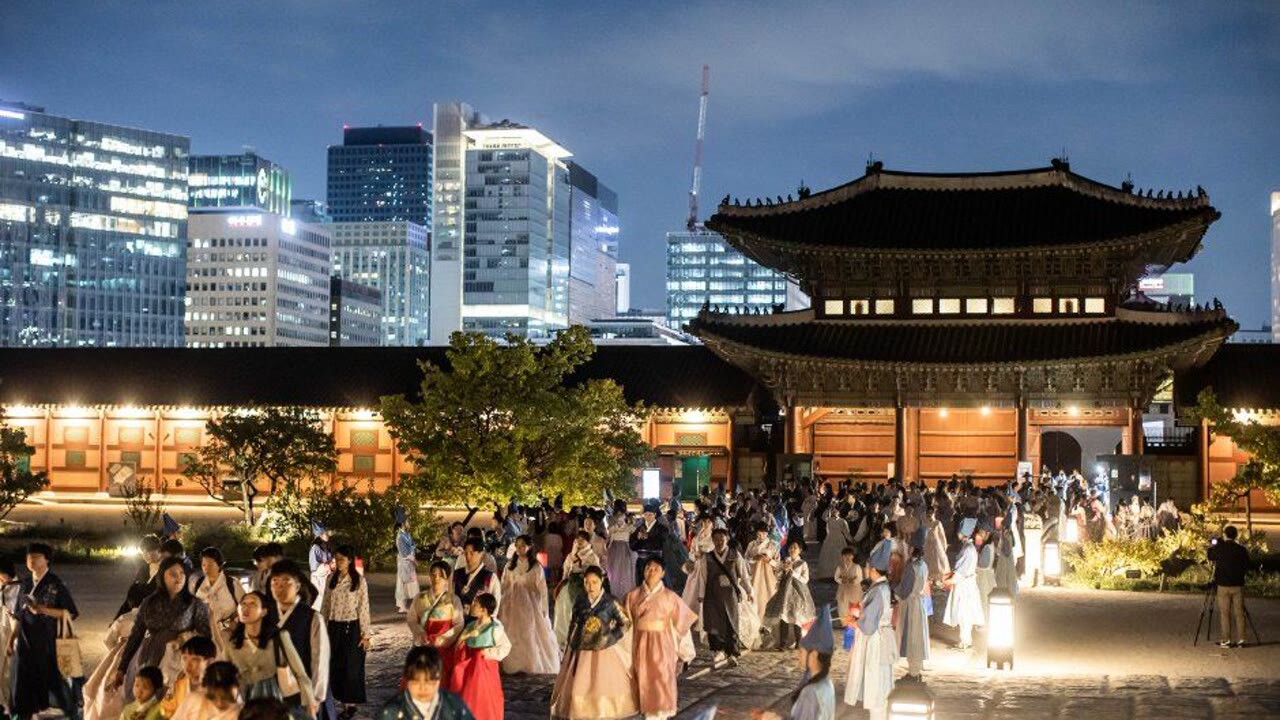
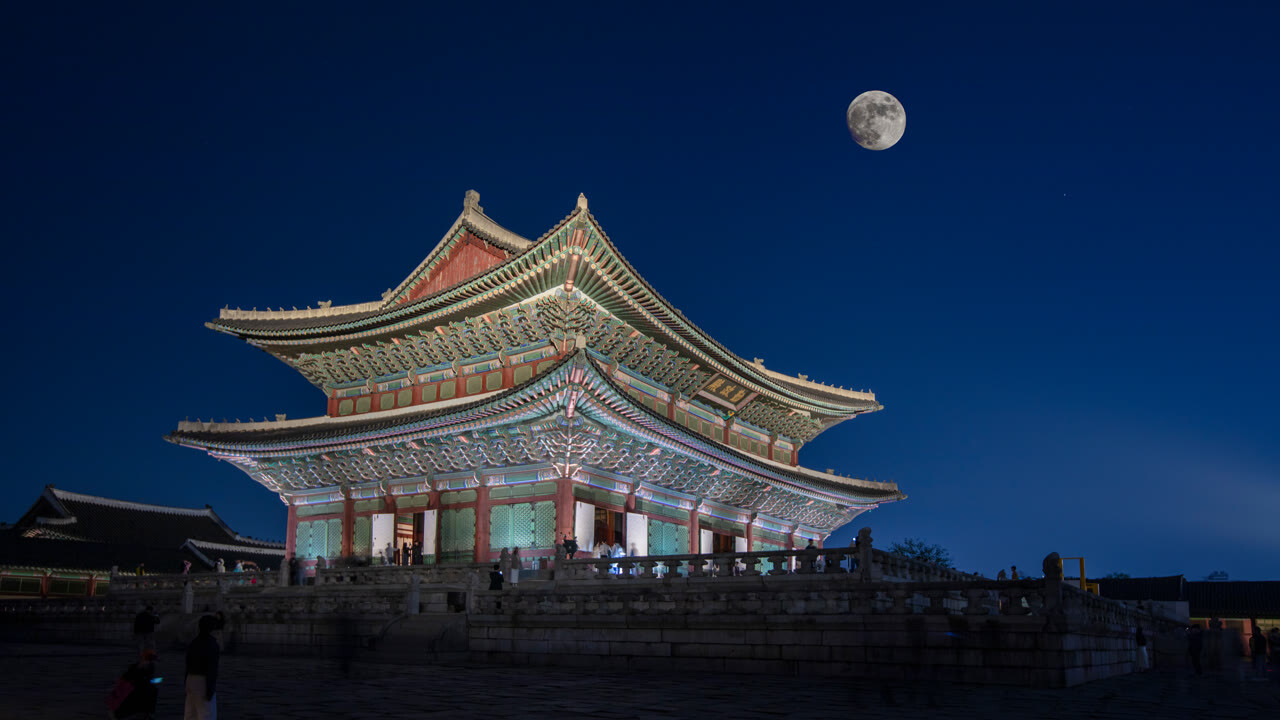
On October 9 and 10, the Hanbok Royal Banquet turns Gyeongbokgung’s night-viewing area into a stage. A reenacted royal procession passes between the halls, while displays and storytelling explore what court dress reveals about season and social rank.
By day, Gyeongbokgung makes its axes and formal order easy to read. At night, lighting breaks that order into smaller scenes, drawing the eye toward the tips of the eaves, the colors of fabric and the movement of the procession.
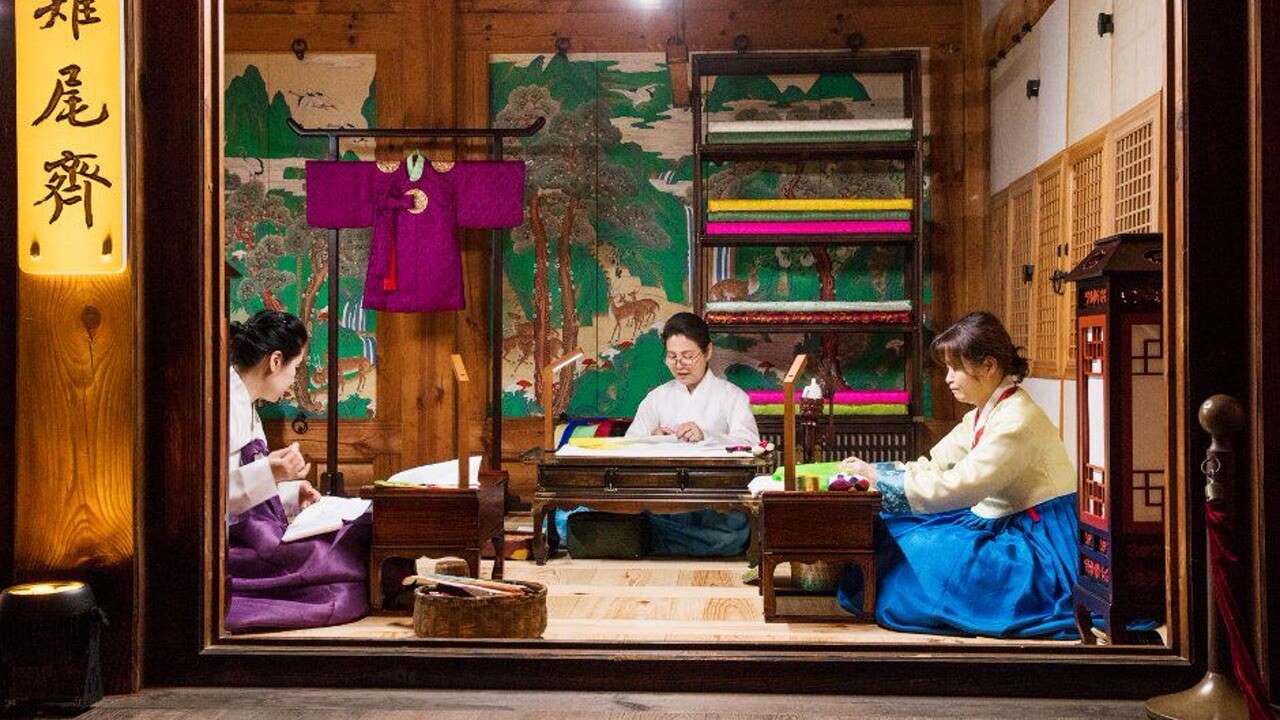
Practitioners of Korea’s intangible heritage also demonstrate how hanbok is made. By showing stitching and hands at work, rather than only finished garments, the palace becomes something closer to a living workshop than a backdrop.
Walking Through Changdeokgung’s Quiet Morning
The day begins much earlier at Changdeokgung. Awakening the Morning Palace leads walks through the halls and rear garden at 7:30 and 8:00 a.m. Before regular visiting hours bring the crowds, the route follows the quiet spaces between roofs and trees.
Huijeongdang Hall hosts an exhibition exploring restraint and the aesthetics of white in Joseon spaces. Around 60 works by artists, including intangible-heritage practitioners, meet the rhythms of the timber architecture. Rather than adding vivid color, the exhibition draws attention to space and stillness.
Even within Changdeokgung, a morning walk and a daytime craft exhibition move at different tempos. This palace rewards time spent noticing the spaces between its halls and garden, rather than trying to take in every view at once.
Deoksugung and the Memory of an Empire
At Deoksugung’s Deokhongjeon Hall, an exhibition traces the years from the Gwangmu era to the Yunghui era, marking the centenary of Emperor Sunjong’s death. Displays and historical tours follow his life and the final years of the Korean imperial court.
At Junmyeongdang Hall, children learn about court etiquette and the palace’s natural surroundings. Role-play draws on the hall’s recorded use as a place of education for Princess Deokhye, giving its former purpose a presence beyond a name on a sign.
Beyond the stone-wall lane for which Deoksugung is known, the palace retains memories of an era drawing to a close. The festival approaches that weight through exhibitions and learning, rather than exaggerated spectacle.
Changgyeonggung’s Night, Rewritten on Water
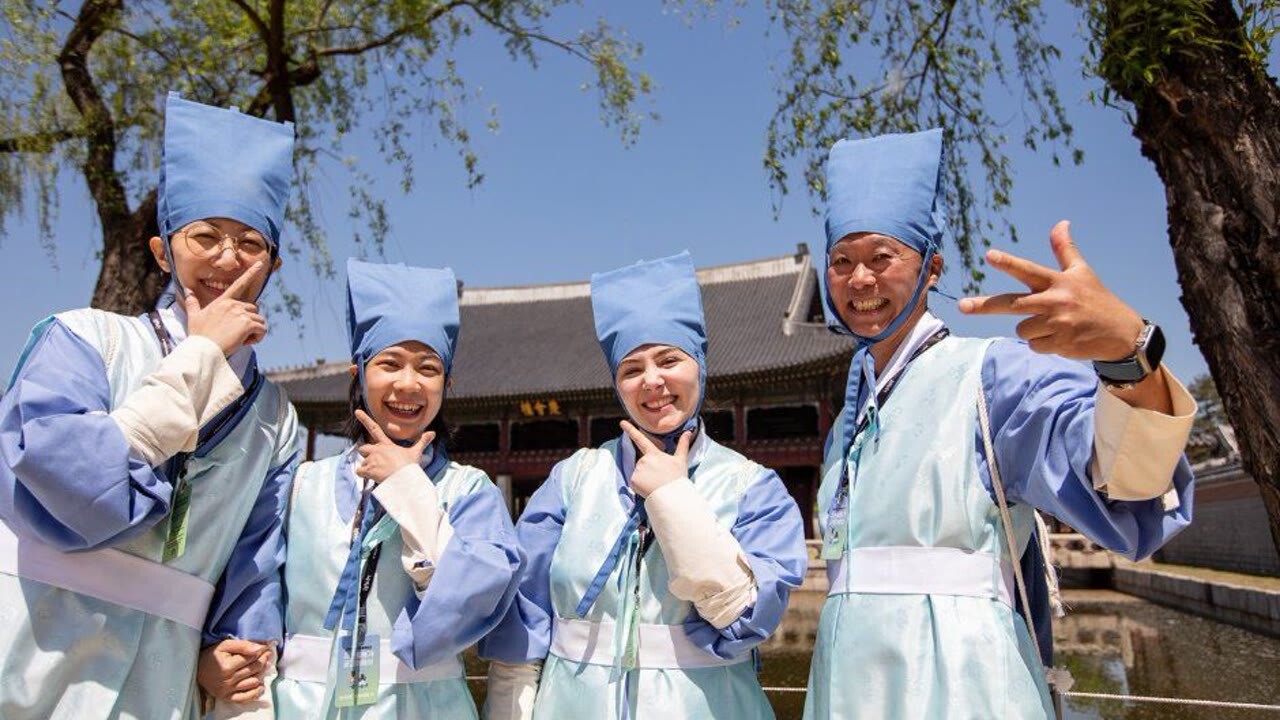
Changgyeonggung’s time-travel program moves between Myeongjeongmun Gate, Tongmyeongjeon Hall, Haminjeong Pavilion and Munjeongjeon Hall to recreate royal daily life in four scenes. Instead of remaining in one seat, the audience walks into each new chapter.
After sunset, a media-art program illuminates the Chundangji ponds. The installation unfolds in eight scenes, with advance reservations required for the water-and-light display at Daechundangji. Color spreading across the water gives a new expression to the palace’s familiar landscape of plants and ponds.
Pairing daytime reenactments with nighttime media art brings this palace’s character into focus. The program does more than preserve an old story; it offers new ways of walking through and looking at the setting.
Reading Jongmyo Beneath Its Long Roofline
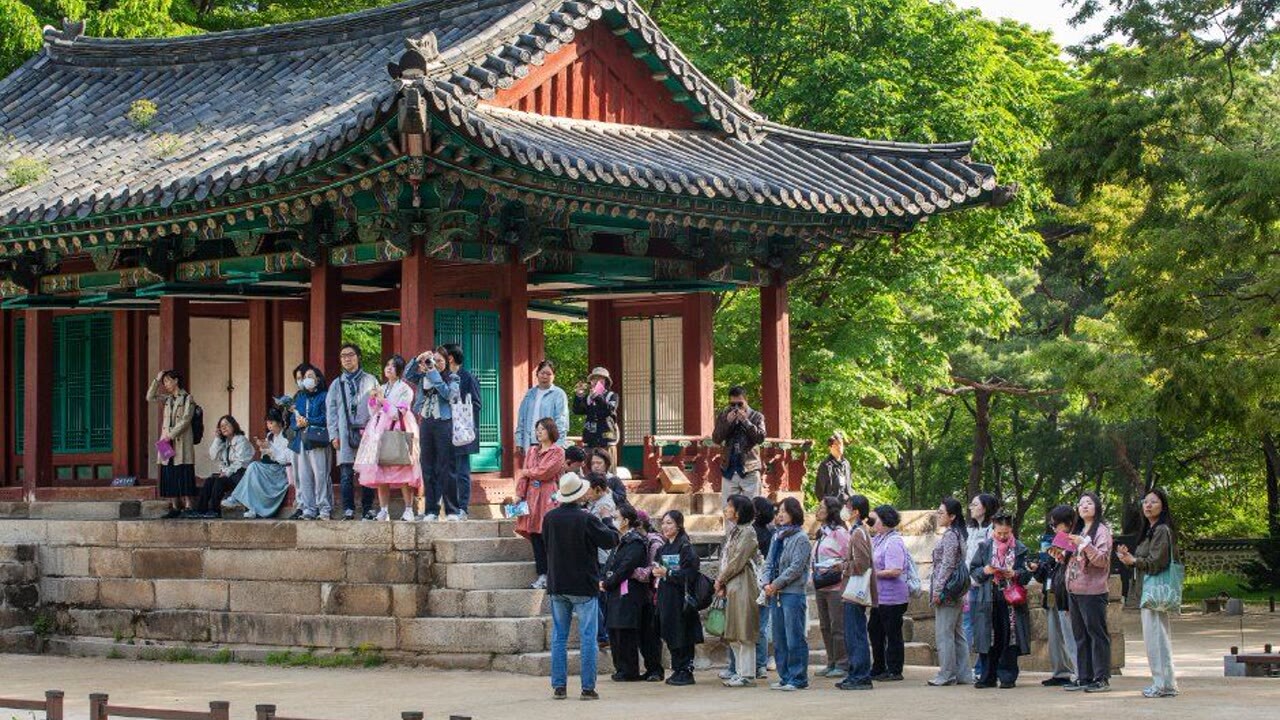
Jongmyo offers an architectural exploration program for young people. A route from Hyangdaecheong through Jaegung to Jeongjeon and Yeongnyeongjeon uses activities to explore the differences between the two halls and the structure of their long timber buildings.
Compared with the palaces’ colorful painted decoration, Jongmyo’s lines are low and restrained. The eye settles on repeated columns and the broad raised stone terrace rather than ornament.
After four palaces, arriving at Jongmyo lets the space itself become the festival’s final scene. Royal heritage sites that may first look similar reveal their different purposes—residence, government, education and ancestral rites—as the walk unfolds.
Finding Your Pace at the K-Royal Culture Festival
There is no need to turn the K-Royal Culture Festival into a race to collect five stops in a day. If Gyeongbokgung at night is the choice, leave time for its processions and dress traditions. If Changdeokgung in the morning appeals more, make room for the garden and exhibitions.
Popular experiences and nighttime programs require reservations. Children’s activities can also have age limits or requirements such as wearing hanbok. Choosing a scene from a photograph without checking those conditions may mean missing the experience itself.
Under the same autumn light, each palace reveals a different time. Gyeongbokgung’s procession, Changdeokgung’s morning, Deoksugung’s memories, Changgyeonggung’s illuminated water and Jongmyo’s long horizontal roofline become parts of one route over five days.
Rather than trying to see everything, choose the moment that most draws you in. A single scene can be enough to build an autumn day in Seoul around.
Official Visitor Information
Festival dates checked against the official schedule on September 12, 2026. Programs and admission conditions may change; check the organizer’s latest notices before visiting.
You May Also Like
by Google Adsense